Shimshal Valley is a remote Wakhi mountain valley in northern Pakistan, the gateway to the 4,735-metre Shimshal Pass and one of the country’s most distinctive high-altitude trekking destinations. Hidden deep in the Karakoram, the valley combines dramatic peaks and glaciers with traditional pastoral life, historic mountain routes and a remarkable community of mountaineers.
Located in Gojal, Hunza, Gilgit-Baltistan, Shimshal sits at approximately 3,100 metres above sea level. The village is reached from Passu by a 56-kilometre mountain road that follows the Shimshal gorge and river.
You can visit Shimshal simply to experience the village and Wakhi culture, spend three days exploring its surrounding landscapes, or use it as the starting point for a 7 to 10-day Shimshal Pass Trek.
This guide covers everything you need to know before visiting Shimshal Valley, including its history, location, road journey, things to do, trekking routes, permits, culture, accommodation, connectivity, best time to visit and practical travel advice for 2026-2027.
Shimshal Valley at a Glance
| Information | Details |
| Country | Pakistan |
| Region | Gilgit-Baltistan |
| District | Hunza |
| Area | Gojal |
| Mountain range | Karakoram |
| Village elevation | 3,100 m |
| Distance from Passu | Approximately 56 km |
| Local community | Wakhi |
| Main language | Wakhi |
| Shimshal Pass elevation | 4,735 m |
| Main trekking season | June to September |
| Known for | Trekking, mountaineering, high pastures and Wakhi culture |
Shimshal Valley Location
Shimshal Valley is located in Gojal, Hunza District, in the Gilgit-Baltistan region of northern Pakistan.
The village lies deep within the Karakoram, close to the mountainous frontier with China. From Shimshal, the landscape rises toward high pastures, glaciers and major mountain peaks.
The valley is accessed from the Karakoram Highway near Passu. The Shimshal Road then continues for approximately 56 kilometres into the valley.
The typical journey is:
Islamabad → Gilgit → Hunza → Passu → Shimshal
For travellers exploring Hunza, Shimshal makes an excellent extension beyond the more developed tourist areas of Karimabad, Gulmit and Passu.
The History of Shimshal Valley
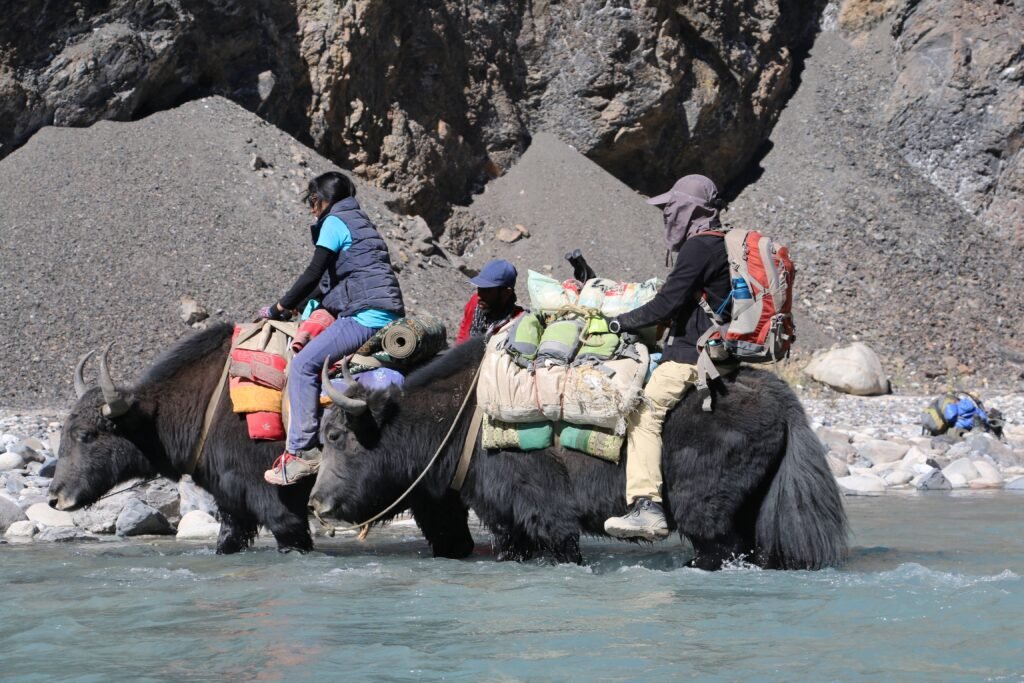
Shimshal’s history is closely connected with the Wakhi people and their traditional relationship with agriculture, livestock and high-altitude pastures.
Local traditions contain different accounts of the valley’s early settlement, including stories associated with Mamu Singh. Because much of this history has been passed down through oral traditions, accounts of the valley’s origins vary.
For generations, residents have relied on agriculture and livestock. Yaks, sheep and goats have traditionally been central to local life.
During the warmer months, livestock are moved from the village toward higher grazing grounds in a seasonal movement known locally as kuch.
Shimshal remained extremely isolated for much of its history. Before modern road access, reaching the village required difficult travel through steep mountain terrain.
The completion of the motor road in 2003 transformed access to the valley and connected Shimshal with the Karakoram Highway near Passu.
The Shimshal Road From Passu
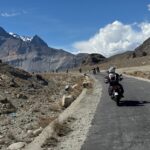
The road from Passu to Shimshal is approximately 56 kilometres and normally takes around 3 to 4 hours from the Passu turn-off, depending on road conditions, weather and the vehicle being used.
It is a rugged mountain road rather than a conventional highway. The route passes through steep cliffs and the Shimshal gorge before reaching the wider valley.
Shared transport has historically been available from Aliabad, with vehicles departing around midday and taking roughly five hours to reach Shimshal. Availability and departure times can change, so independent travellers should confirm the current arrangements locally.
Getting to Shimshal
| Starting point | Approximate travel time | Transport |
| Passu turn-off to Shimshal | 3 to 4 hours | Local jeep or suitable 4×4 |
| Aliabad to Shimshal | Around 5 hours | Shared jeep or private vehicle |
| Hunza to Passu | Around 1 to 2 hours | Car, jeep or tour vehicle |
| Gilgit to Hunza | Several hours | Car, jeep or tour vehicle |
Road conditions can change following rainfall, rockfall or landslides, so allow flexibility in your schedule.
An experienced local driver is particularly useful on this route because they understand the road and local conditions.
Things to Do in Shimshal Valley
Shimshal is not only for serious trekkers. A two or three-day visit can provide a rewarding introduction to the valley.
The main experiences include:
- Exploring Shimshal village
- Visiting the Lok Versa Museum
- Experiencing Wakhi culture and local pastoral life
- Walking toward Yazghil Glacier
- Exploring the high pasture landscape
- Learning about Shimshal’s mountaineering heritage
- Photographing the Karakoram
- Joining local cultural events when the timing is appropriate
The full Shimshal Pass Trek requires considerably more time and preparation.
Shimshal Culture and the Wakhi People
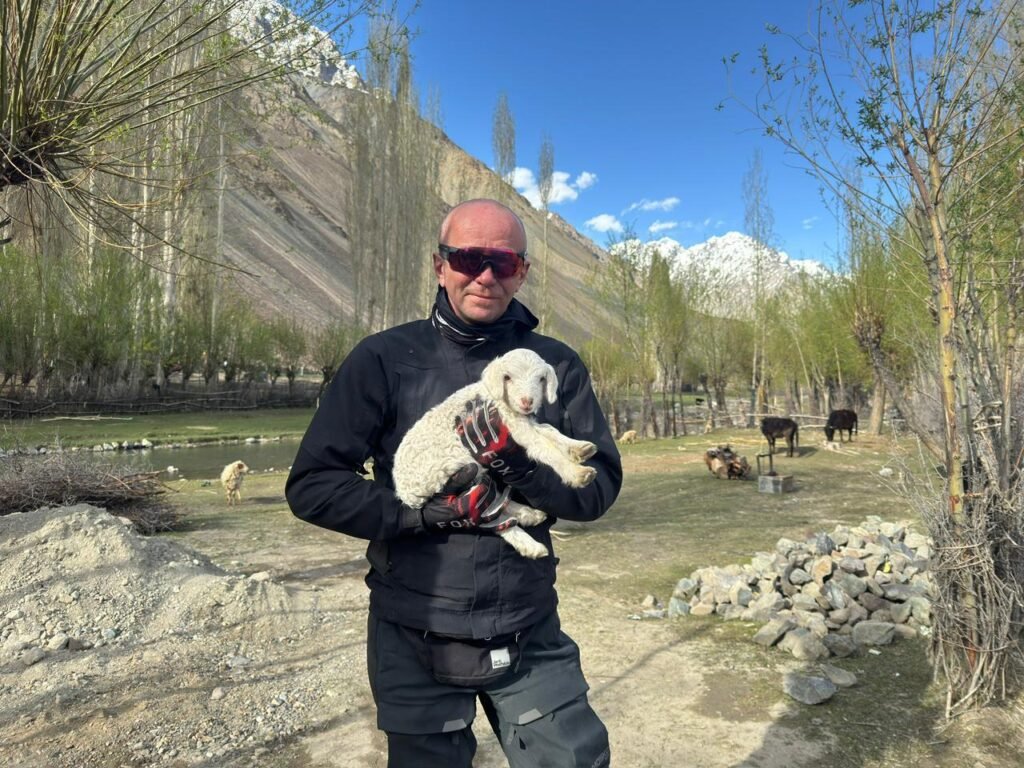
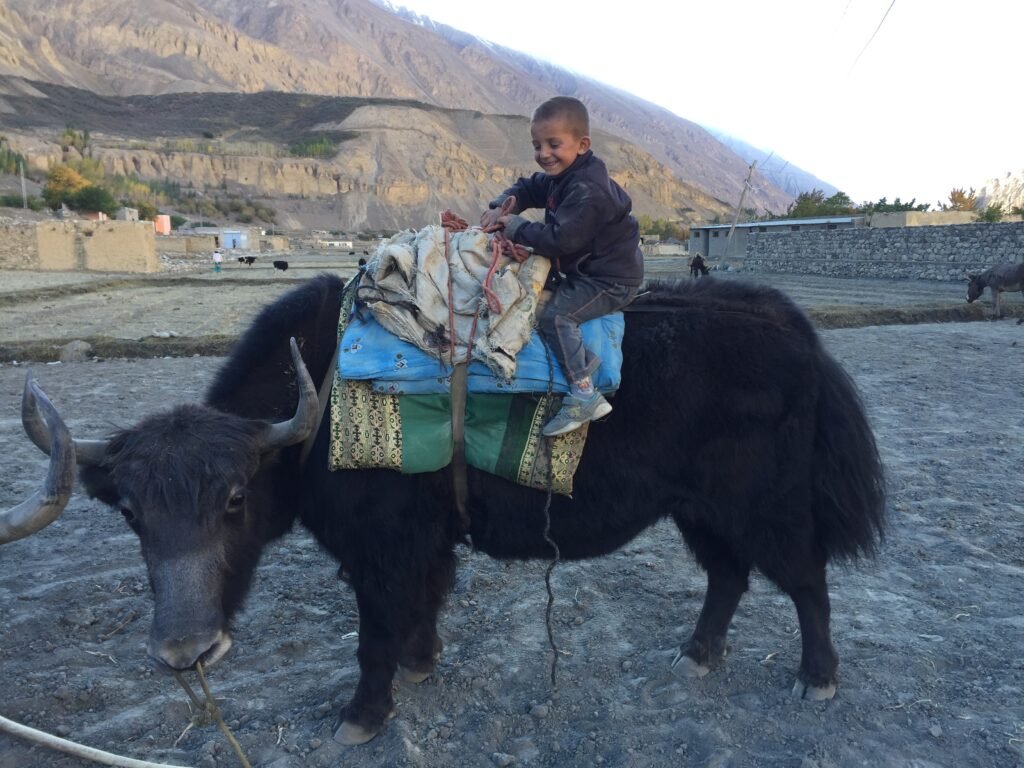
Shimshal is predominantly a Wakhi community, and Wakhi is the main local language.
Community life has historically been shaped by agriculture, livestock and cooperation.
The seasonal movement of livestock to high pastures is an important part of this culture. Families traditionally move yaks, sheep and goats to higher grazing areas during summer.
This seasonal movement is known as kuch.
Another important Wakhi tradition is Nomus, a form of collective community effort and contribution. Nomus has helped communities organize resources for shared infrastructure and development projects.
The strong culture of cooperation is one of the characteristics that distinguishes Shimshal from many other destinations in northern Pakistan.
Visitors should respect local customs, ask permission before photographing people and avoid entering private homes or property without invitation.
The Valley of Mountaineers
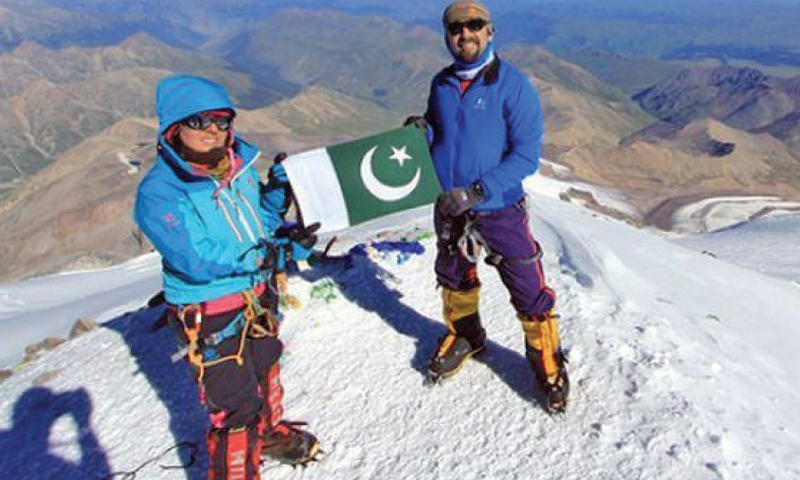
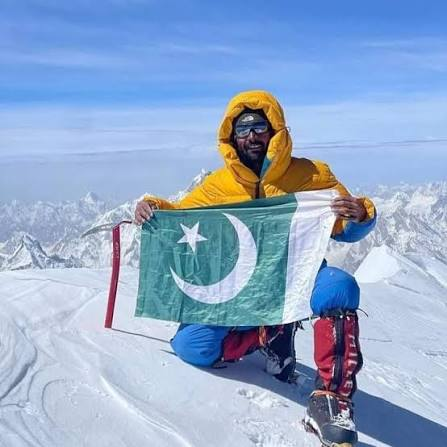
Shimshal is widely known as the Valley of Mountaineers.
The community has produced some of Pakistan’s most prominent mountaineers, including Samina Baig, Rajab Shah and Qudrat Ali.
Samina Baig became the first Pakistani woman to summit Mount Everest and later completed the Seven Summits.
Rajab Shah became the first Pakistani to climb all five of Pakistan’s 8,000-metre peaks.
Qudrat Ali is another prominent mountaineer associated with Shimshal.
The Shimshal Mountaineering School has also contributed to developing climbing skills and opportunities among local people.
Shimshal’s mountaineering reputation is closely connected with its environment. Mountain travel is part of everyday life here, with residents traditionally navigating high pastures, glaciers and mountain routes.
Shimshal Valley Altitude
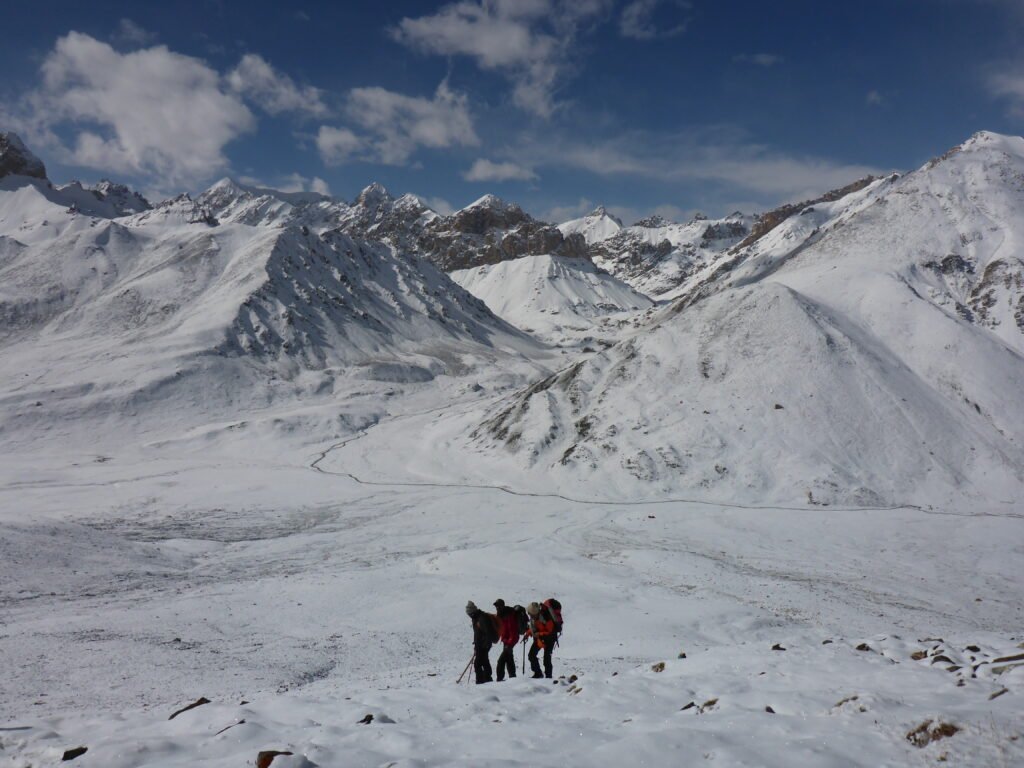
Shimshal village sits at approximately 3,100 metres above sea level.
The surrounding terrain rises rapidly from the settlement.
Shimshal Pass reaches 4,735 metres, while Minglik Sar rises to approximately 6,050 metres.
This difference in elevation makes acclimatization particularly important for anyone planning a trek.
Travellers arriving from lower elevations should allow sufficient time to adjust before attempting demanding high-altitude routes.
Shimshal Pamir and the High Pastures
Shimshal Pamir is one of the most important landscapes surrounding the valley.
The area contains extensive high-altitude grazing grounds traditionally used by the Shimshali community.
During summer, livestock are moved toward these pastures as part of the traditional kuch migration.
The landscape changes dramatically as you move higher. Cultivated land around the village gives way to alpine grasslands, rocky slopes, glaciers and high mountain peaks.
For travellers, the Pamir offers more than scenery. It provides an opportunity to see the traditional relationship between the Wakhi community and the Karakoram environment.
Shimshal Pass
Shimshal Pass rises to 4,735 metres above sea level.
The pass lies beyond the village and high pastures and forms part of the high-altitude landscape connecting the Shimshal region with the wider Karakoram.
The pass also has historical importance. British explorer Francis Younghusband reached Shimshal Pass in 1889 during his travels through the region.
Today, Shimshal Pass is primarily known as a trekking destination.
The high pastures around the pass are also associated with the annual yak race, traditionally held around late July or early August.
The Shimshal Yak Race
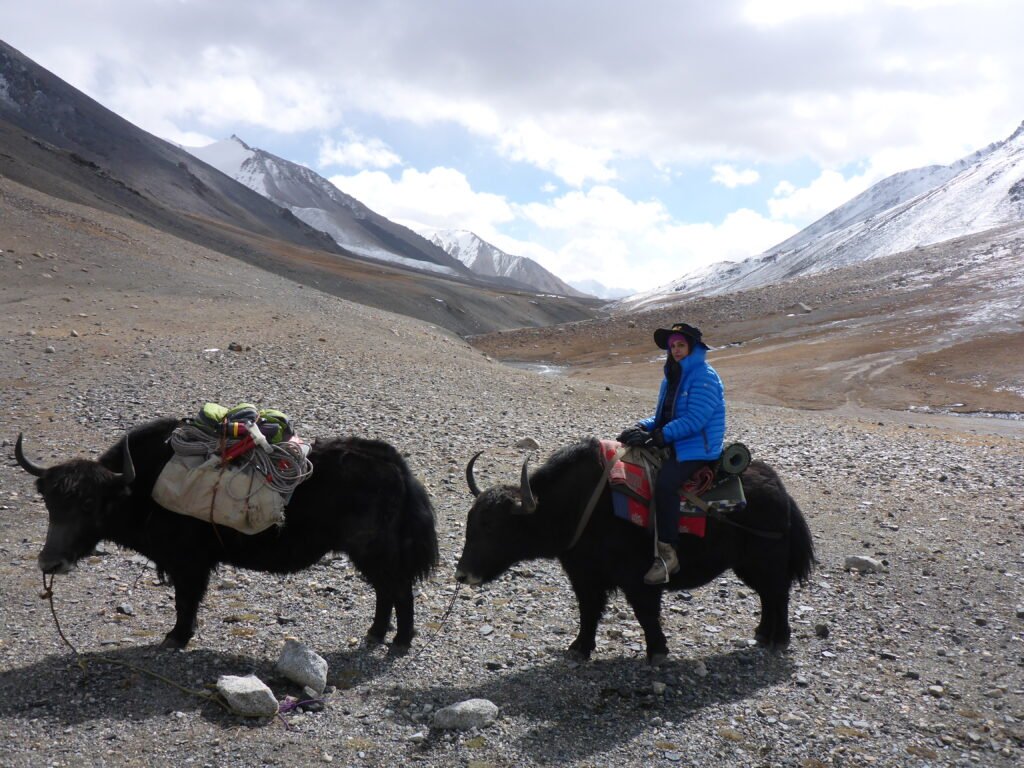
The annual yak race is one of the valley’s most distinctive cultural traditions.
Known locally as Woolyo, the event takes place in the high pastures and combines yak racing with singing, dancing and community celebrations.
The event reflects the importance of yaks in traditional Shimshali life.
If you want to experience the event, confirm the current dates and arrangements locally before planning your trip around the festival.
Shimshal Pass Trek
The Shimshal Pass Trek is one of northern Pakistan’s major high-altitude trekking experiences.
The route begins at Shimshal village and continues through the high pastures toward the 4,735-metre pass.
A complete expedition generally takes around 7 to 10 trekking days, depending on the itinerary, acclimatization schedule, weather and return arrangements.
Common trekking stages include Ghar Sar, Wooch Furzeen, Arbob Purian and Shujerav before reaching Shimshal Pass.
Shimshal Pass Trek Route
| Trek stage | Approx. elevation | Role in the route |
| Shimshal Village | 3,100 m | Starting point |
| Ghar Sar | ~3,300 m | Initial trekking stage |
| Wooch Furzeen | ~3,800 m | High pasture |
| Arbob Purian | ~3,810 m | Alpine camp |
| Shujerav | ~4,005 m | High-altitude stage |
| Shimshal Pass | 4,735 m | Main objective |
Walking distances and hours vary between itineraries because camp locations and route conditions can change. A detailed day-by-day itinerary should therefore be confirmed before departure.
Shimshal Pass Trek Difficulty
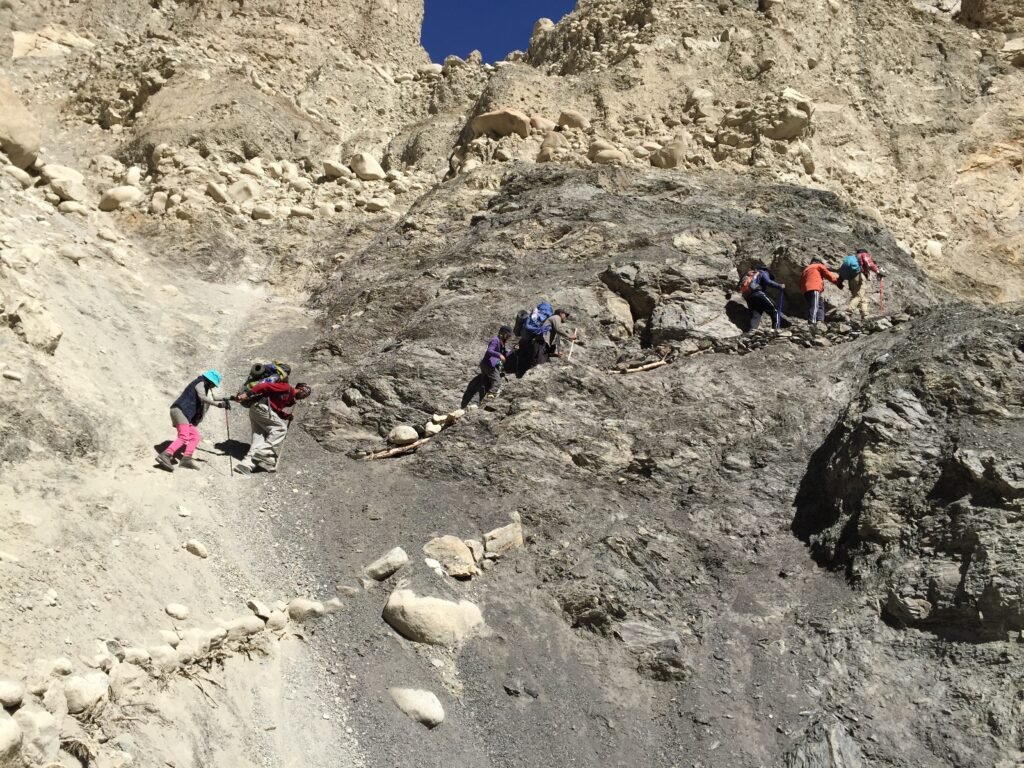
The Shimshal Pass Trek is generally considered a moderate to difficult high-altitude trek.
The biggest challenges are the elevation, consecutive trekking days, uneven terrain, cold nights and remote conditions.
Trekkers should be prepared for:
- Significant elevation gain
- Several consecutive walking days
- High-altitude camping
- Rocky and uneven trails
- Cold temperatures
- Limited facilities
- Changing mountain weather
- Limited medical access
Previous trekking experience is useful, but acclimatization and preparation are equally important.
Travellers unfamiliar with the Karakoram should use experienced local guides and appropriate trekking support.
Mountains and Glaciers Around Shimshal
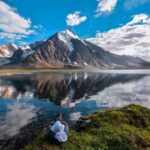
Shimshal is surrounded by an exceptional concentration of high peaks and glaciers.
| Name | Type | Elevation / significance |
| Distaghil Sar | Peak | 7,885 m |
| Minglik Sar | Peak | ~6,050 m |
| Shimshal Whitehorn / Adver Sar | Peak | Commonly cited around 6,303 m |
| Khurdopin | Glacier | Major glacier system |
| Yazghil | Glacier | Major glacier system |
| Malungutti | Glacier | Major glacier system |
| Shimshal Pass | Mountain pass | 4,735 m |
Published elevations can vary between maps and sources. Shimshal Whitehorn, for example, is commonly cited at around 6,303 metres, although other sources give different figures.
Distaghil Sar is the highest peak associated with the Shimshal region and one of Pakistan’s highest mountains.
Minglik Sar is a major climbing objective above 6,000 metres.
Yazghil and Malungutti are glaciers, not peaks, and should be treated as such when planning routes.
Yazghil Glacier Day Hike
Yazghil Glacier offers an excellent option for travellers who want a genuine mountain excursion without committing to the full Shimshal Pass Trek.
The walk from Shimshal toward the glacier area takes approximately 3 hours each way, making it roughly a 6-hour walking day, before allowing additional time for stops and photography.
The route provides views of the surrounding peaks, valley and glacial landscape.
Reaching a glacier viewpoint is very different from walking across an active glacier. Travellers should not attempt to cross glacier terrain without appropriate equipment and experienced local guidance.
For visitors with three days in Shimshal, this excursion provides an ideal middle ground between a simple village visit and a full trekking expedition.
Shimshal River and Khurdopin Glacier
The Shimshal River is one of the main geographical features of the valley.
The river is connected with several glaciers and high-altitude drainage systems, including Khurdopin Glacier.
Khurdopin became particularly notable during its major surge in 2016 and 2017.
In 2017, the glacier advanced rapidly and blocked the Shimshal River, creating a large temporary lake. Satellite observations recorded peak glacier velocities exceeding 5,000 metres per year, placing the event among the fastest glacier movements observed in the world’s mountain regions.
The event demonstrates how dynamic the Karakoram landscape can be.
Roads, rivers, glacier routes and trekking trails can change, which is why current local information is important before travelling.
Lok Versa Museum and Local Heritage
The Lok Versa Museum provides a glimpse into Shimshal’s cultural history.
The museum contains traditional objects, artifacts, musical instruments and items associated with everyday life in the community.
A museum visit works particularly well alongside a village walk and provides useful context before travelling into the high pastures.
Best Time to Visit Shimshal Valley
The main travel and trekking season is generally June to September.
The best time depends on your plans.
June
June marks the beginning of the summer season. Lower areas become greener, while snow can remain at higher elevations.
July
July is one of the best months for exploring the valley and high pastures. The yak-race period may also fall around this time.
August
August is an excellent month for trekking, photography and exploring the summer landscape.
September
September brings cooler temperatures and the beginning of autumn conditions.
October to May
Winter brings freezing temperatures and significant snowfall, making access to higher trekking areas considerably more difficult.
Always check current road and weather conditions before travelling.
Electricity in Shimshal Valley
Shimshal has developed local electricity infrastructure through hydropower and solar energy.
Electricity availability can vary, and travellers should not expect the same uninterrupted supply available in larger towns.
Charging may be possible through local accommodation, but this should be confirmed before travelling.
For trekking, carry a power bank, spare batteries and a headlamp rather than relying on electricity along the route.
Mobile Network and Internet Connectivity
Mobile connectivity has improved in Shimshal, including SCOM cellular service.
However, coverage is not guaranteed throughout the valley.
Signal can vary according to location and terrain and becomes increasingly limited as travellers move toward the high pastures and Shimshal Pass.
Before leaving Hunza:
- Download offline maps
- Save important documents
- Charge your devices
- Carry a power bank
- Keep emergency contacts offline
- Share your itinerary with someone
For longer expeditions, satellite communication equipment can provide an additional option.
Accommodation in Shimshal
Accommodation in Shimshal is simpler than in central Hunza.
Travellers can find local guesthouses and family-run accommodation within the village.
During the Shimshal Pass Trek, camping becomes the primary form of accommodation beyond the settlement.
Many visitors stay in Passu or Hunza before entering Shimshal and spend one or more nights in the village.
Staying locally provides a closer experience of Wakhi culture and everyday mountain life.
What to Pack for Shimshal
For a village visit, pack for cool mountain conditions even during summer.
Essential items include:
- Comfortable walking shoes
- Warm layers
- Waterproof outer layer
- Sunglasses
- Sunscreen
- Water bottle
- Power bank
- Headlamp
- Personal medicines
- Basic first-aid supplies
- Cash
- Offline maps
For the Shimshal Pass Trek, additional high-altitude equipment is required, including suitable trekking boots, thermal layers, warm sleeping equipment, gloves and trekking poles.
Your trekking operator should provide a detailed equipment checklist before departure.
Safety in Shimshal Valley
Shimshal is a remote high-altitude destination, so preparation matters.
The main challenges include:
- High altitude
- Rockfall
- Landslides
- Narrow mountain roads
- Rapid weather changes
- Cold temperatures
- Limited medical facilities
- Limited mobile coverage
- Remote trekking terrain
Use an experienced mountain driver for the Passu to Shimshal journey.
For multi-day trekking, travel with an experienced local guide and support team.
Allow flexibility for road delays and changing weather.
Responsible Tourism in Shimshal
Shimshal is a living community with a strong cultural identity and a fragile mountain environment.
Visitors should respect local traditions and avoid disturbing everyday activities.
Responsible travellers should:
- Ask permission before photographing residents
- Respect private property
- Avoid unnecessary plastic
- Carry waste out of remote areas
- Stay on established trails
- Avoid disturbing livestock
- Support local guides and accommodation
- Follow local instructions
Community-based tourism can help ensure that tourism benefits the people who live in the valley while protecting its natural environment.
Shimshal Valley for Photography
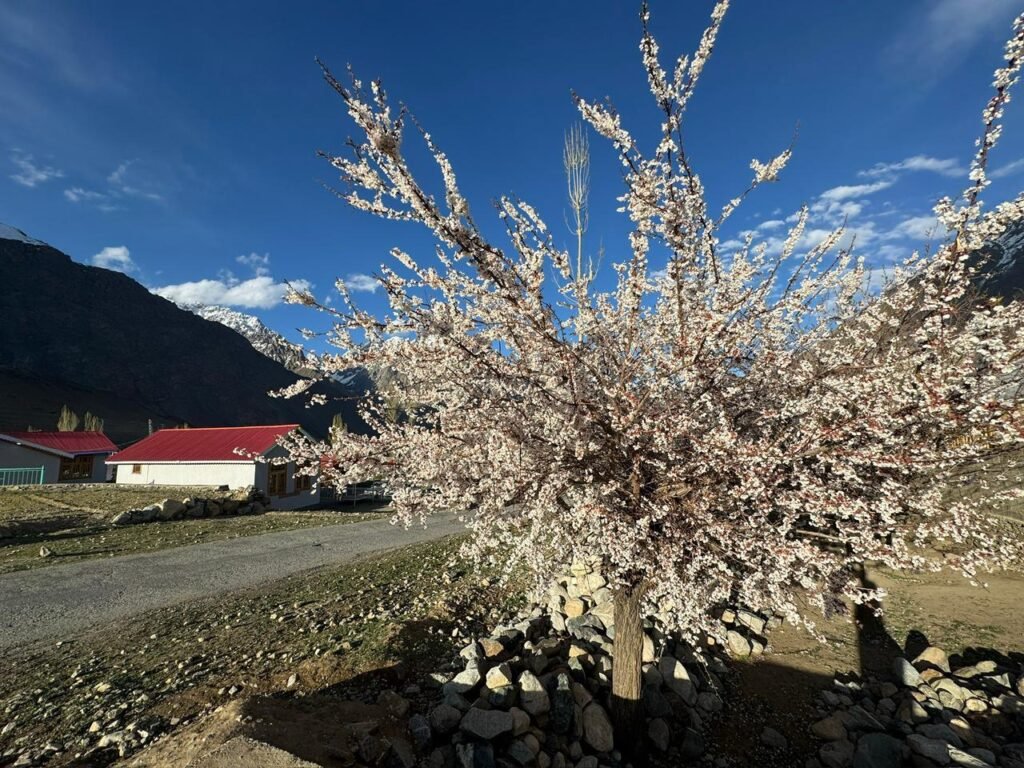
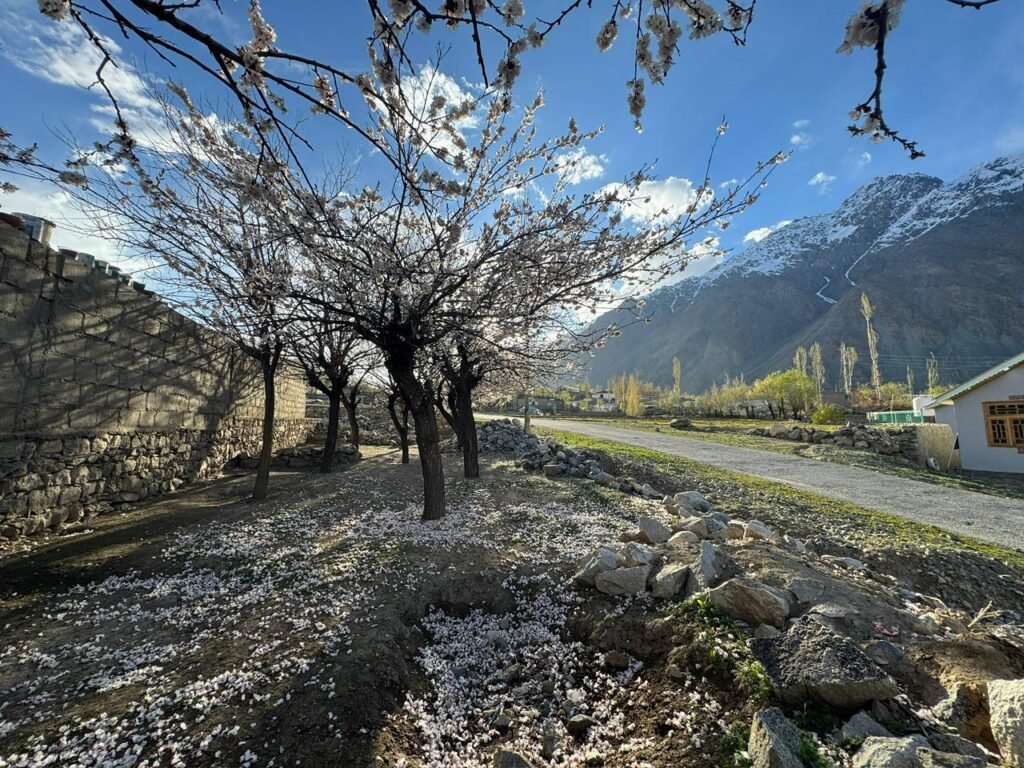
Shimshal offers exceptional opportunities for landscape and cultural photography.
Popular subjects include:
- Karakoram peaks
- Shimshal village
- Traditional houses
- Yaks and livestock
- High pastures
- Glaciers
- Shimshal River
- Trekking trails
- Mountain sunsets
- Night skies
Early morning and late afternoon generally provide the strongest light for mountain landscapes.
Always ask permission before photographing local residents.
Shimshal Valley Compared With Central Hunza
Shimshal offers a very different experience from central Hunza.
| Central Hunza | Shimshal Valley |
| Developed tourist infrastructure | Remote mountain environment |
| More hotels and restaurants | Local guesthouses and homestays |
| Better connectivity | Limited connectivity |
| Easier road access | Rugged mountain road |
| Historic forts and established attractions | High pastures and mountain routes |
| General sightseeing | Adventure and cultural travel |
| More convenient | More remote |
For travellers with enough time, combining both destinations provides a more complete Hunza experience.
A Three-Day Shimshal Valley Itinerary
A three-day visit is ideal for travellers who want to experience Shimshal without undertaking the full pass trek.
| Day | Plan | Main experience |
| Day 1 | Passu → Shimshal | Mountain road, arrival and village exploration |
| Day 2 | Shimshal → Yazghil Glacier → Shimshal | Approximately 6 hours walking plus stops |
| Day 3 | Shimshal → Passu | Village experience, photography and return journey |
The itinerary can be adjusted according to weather, road conditions and traveller fitness.
For travellers with limited time, this provides a useful introduction to the valley without committing to a week-long expedition.
Choosing the Right Shimshal Experience
| Time available | Recommended experience |
| 1 day | Road journey and brief village visit |
| 2 days | Village exploration and cultural experience |
| 3 days | Village plus Yazghil Glacier excursion |
| 7 to 10 days | Shimshal Pass Trek |
| Longer | High pastures, extended trekking or mountaineering |
Shimshal therefore works for both first-time visitors and experienced adventure travellers.
Plan Your Shimshal Valley Journey With Saiyah
Shimshal brings together high Karakoram mountains, Wakhi culture, traditional pastoral life, glaciers, alpine pastures and a remarkable mountaineering heritage.
Whether you want to explore Shimshal village, experience Wakhi culture, walk toward Yazghil Glacier, explore the high pastures or undertake the Shimshal Pass Trek, Saiyah can design a journey around your travel dates and interests.
We can coordinate transportation, experienced local drivers, accommodation, guides, and trekking support, while combining Shimshal with Hunza, Passu, Khunjerab Pass and other destinations across northern Pakistan.
Contact Saiyah to start planning your customized Shimshal Valley journey.
Frequently Asked Questions About Shimshal Valley
How Many Days Do You Need to Visit Shimshal Valley?
For a short visit to Shimshal Valley, 2 to 3 days is a good amount of time to explore the village, experience Wakhi culture and take a day hike toward Yazghil Glacier. Travellers planning the full Shimshal Pass Trek should allow around 7 to 10 trekking days, depending on the itinerary, weather and acclimatization schedule.
How Many Days Do You Need for the Shimshal Pass Trek?
The Shimshal Pass Trek generally takes around 7 to 10 trekking days depending on the itinerary, acclimatization schedule, weather and route conditions. The core route includes stages such as Ghar Sar, Wooch Furzeen, Arbob Purian and Shujerav before reaching the 4,735-metre Shimshal Pass.
How Do You Get to Shimshal Valley From Hunza or Passu?
Shimshal Valley is reached from the Karakoram Highway near Passu. The Shimshal Road continues for approximately 56 kilometres into the valley and normally takes around 3 to 4 hours from the Passu turn-off, depending on road and weather conditions. Travellers can use a suitable 4×4 or local jeep with an experienced driver.
How Difficult Is the Shimshal Pass Trek for First-Time Trekkers?
The Shimshal Pass Trek is generally considered a moderate to difficult high-altitude trek. The main challenges include significant elevation gain, consecutive trekking days, uneven terrain, cold temperatures, high-altitude camping and remote conditions. Previous trekking experience is useful, while acclimatization, preparation and experienced local support are especially important.
What Is the Best Time to Visit Shimshal Valley for Trekking?
The main travel and trekking season in Shimshal is generally from June to September. July and August are particularly suitable for trekking, exploring the high pastures and experiencing the summer mountain landscape. Weather and road conditions can change, so travellers should confirm current conditions before departure.
Is the Road to Shimshal Valley Dangerous?
The road from Passu to Shimshal is a rugged mountain route with narrow and exposed sections. Rockfall, landslides, rainfall and changing weather can affect road conditions. Travelling in a suitable vehicle with an experienced local driver is recommended, and travellers should allow additional time rather than planning a tight schedule around the journey.
Where Can You Stay in Shimshal Valley?
Accommodation in Shimshal mainly consists of local guesthouses and family-run stays. Facilities are simpler than those in central Hunza. During the Shimshal Pass Trek, camping is used along the trekking route. Staying in the village provides a closer experience of Wakhi culture and everyday mountain life.
Is There Mobile Phone Signal and Internet in Shimshal Valley?
Mobile connectivity is available in Shimshal, including SCOM service, but coverage varies by location and terrain. Signal should not be relied upon throughout the valley or trekking routes. Travellers should download offline maps and important documents before leaving Hunza, keep emergency contacts offline and carry a power bank.
What Are the Best Things to Do in Shimshal Valley?
The best things to do in Shimshal include exploring the village, experiencing Wakhi culture, visiting the Lok Versa Museum, walking toward Yazghil Glacier, exploring the high pasture landscape, learning about the valley’s mountaineering heritage and photographing the Karakoram. Travellers with more time can undertake the Shimshal Pass Trek.
What Is the Altitude of Shimshal Valley and Shimshal Pass?
Shimshal village sits at approximately 3,100 metres above sea level, while Shimshal Pass reaches 4,735 metres. Minglik Sar rises to approximately 6,050 metres. Because of the significant elevation, travellers planning a high-altitude trek should allow sufficient time for acclimatization and preparation.