The United Nations Educational, Scientific and Cultural Organization (UNESCO) is a specialized agency of the United Nations, founded in 1945 after World War II. Its mission is to promote peace and international cooperation through education, science, culture, and communication.
UNESCO believes that protecting cultural heritage and sharing knowledge across borders builds mutual understanding and helps prevent conflict.
UNESCO operates in several key areas:
- Protecting cultural and natural heritage
- Supporting education systems and literacy programs
- Preserving endangered languages and traditions
- Promoting scientific collaboration between countries
One of UNESCO’s most recognized initiatives is the World Heritage Programme, which identifies and protects sites of Outstanding Universal Value. Countries nominate sites, which are then evaluated based on criteria such as:
- Historical importance
- Architectural or artistic value
- Cultural or scientific significance
- Preservation and management plans
Approved sites are added to the World Heritage List, ensuring global recognition, conservation funding, and international awareness.
Pakistan’s UNESCO Cultural Sites Overview
Pakistan’s six UNESCO World Heritage Sites span millennia, from the Bronze Age cities of the Indus Valley to Mughal architectural masterpieces. They include ancient urban centers, Buddhist monastic complexes, necropolises, and fortresses that illustrate the country’s rich cultural legacy.
| Site | Inscription Year | Historical Era | Location | Key Highlights |
| Mohenjo-daro | 1980 | 2500 BCE | Sindh | Planned city, Great Bath, advanced drainage |
| Taxila | 1980 | 600 BCE–500 CE | Punjab | Ancient university, Gandhara art |
| Takht-i-Bahi and Sahr-i-Bahlol | 1980 | 1st century CE | Khyber Pakhtunkhwa | Buddhist monastery and urban remains |
| Lahore Fort and Shalamar Gardens | 1981 | Mughal period, 16th–17th century | Lahore | Mughal palaces, 410 fountains |
| Historical Monuments at Makli, Thatta | 1981 | 14th–18th century | Thatta | One of the world’s largest cemeteries |
| Rohtas Fort | 1997 | 16th century | Punjab | Massive military fortification |
Archaeological Ruins at Moenjodaro
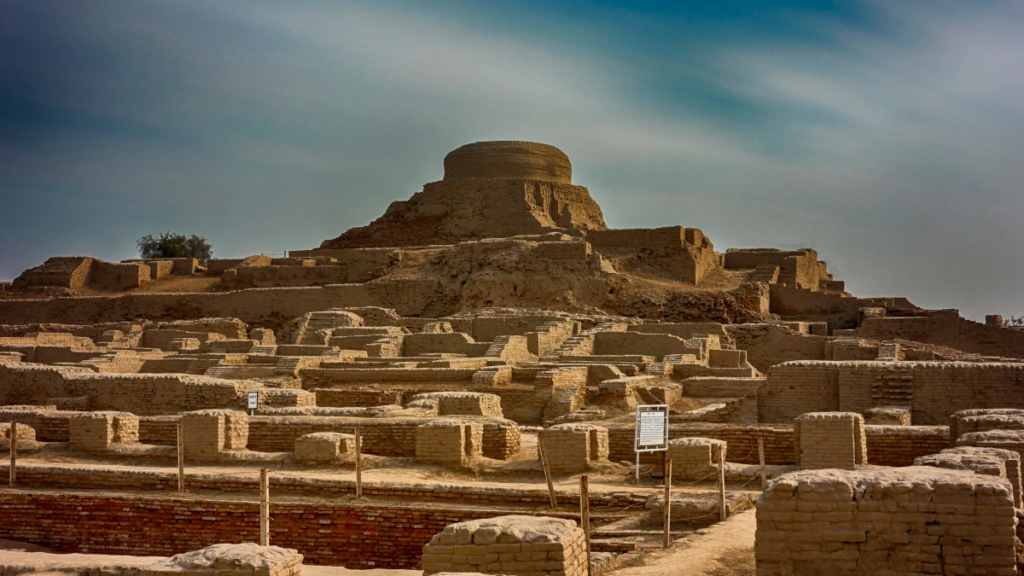
UNESCO Inscription: 1980
Era: 2500 BCE
Civilization: Indus Valley Civilization
Mohenjo-daro showcases advanced urban planning that existed in South Asia long before many European cities developed. Its streets are laid out in a grid pattern aligned with cardinal directions, and almost every house had a covered drainage system. Standardized bricks and multi-room houses with private bathrooms reflect a highly organized civic life.
The Great Bath, one of the earliest public water tanks in history, suggests ritual purification practices long before formal religions.
Fascinating Facts:
- Rediscovered in 1922 by archaeologist R. D. Banerji
- Population may have reached 40,000–50,000 at its peak
- The Great Bath suggests early ritual purification practices
- Decline possibly due to river shifts or climate change
Mohenjo-daro is a testament to early urban planning and is an essential stop for anyone exploring Pakistani historical sites.
Taxila: The Ancient University and Crossroads of Civilizations
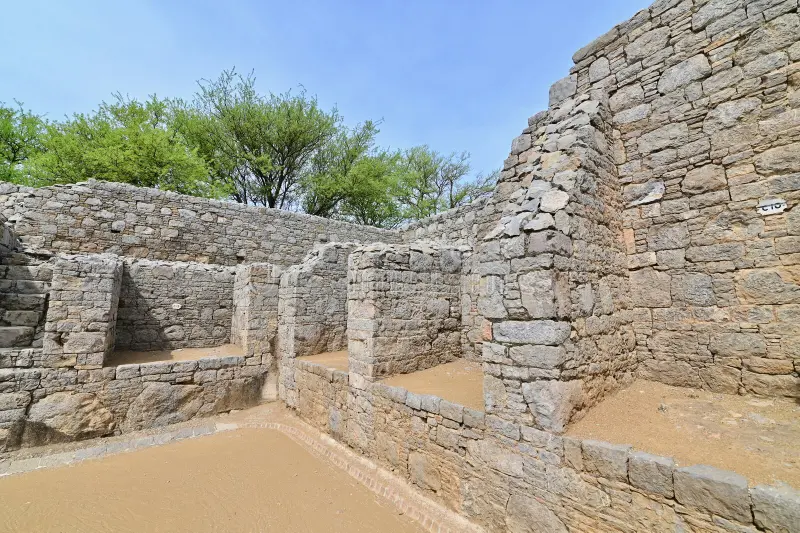
UNESCO Inscription: 1980
Historical Span: 6th century BCE – 5th century CE
Taxila was a cluster of settlements, monasteries, and educational institutions at the crossroads of Persian, Greek, Mauryan, and Kushan influences. It served as a global center of learning, where students from China and Central Asia studied medicine, military strategy, philosophy, and Sanskrit grammar.
Taxila also gave rise to Gandhara art, blending Greek realism with Buddhist symbolism to produce the first human-like depictions of the Buddha.
Fascinating Facts:
- Served as a global center of learning
- Birthplace of Gandhara art, combining Greek realism with Buddhist symbolism
Buddhist Ruins of Takht-i-Bahi and Neighbouring City Remains at Sahr-i-Bahlol
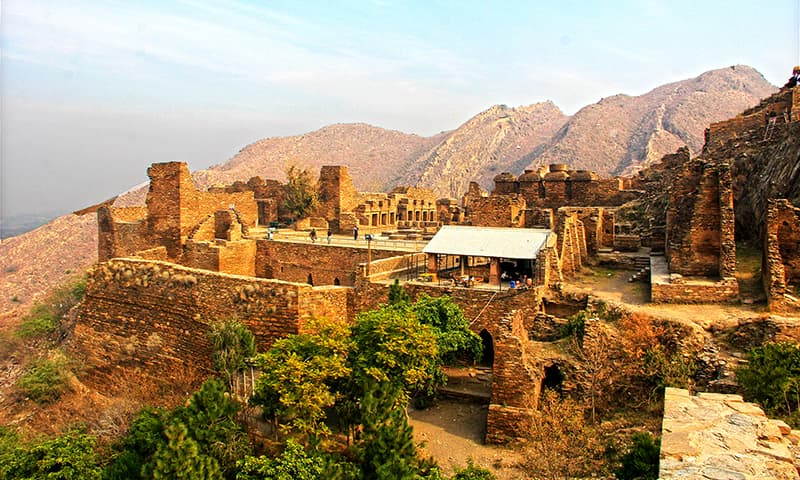
Takht-i-Bahi, meaning Throne of the Spring, was built in the 1st century CE during the Kushan Empire. Its remote hilltop location preserved it from invasions, making it one of the most intact Buddhist monastic sites in the region.
The complex includes:
- Meditation chambers
- Central courtyard surrounded by stupas
- Monastic quarters
Fascinating Facts:
- Preserved due to its remote location
- Stucco decorations and stone Buddha statues reflect Gandharan artistry
Nearby Sahr-i-Bahlol supported the monastery with trade and urban infrastructure.
Lahore Fort and Shalamar Gardens: The Peak of Mughal Architecture
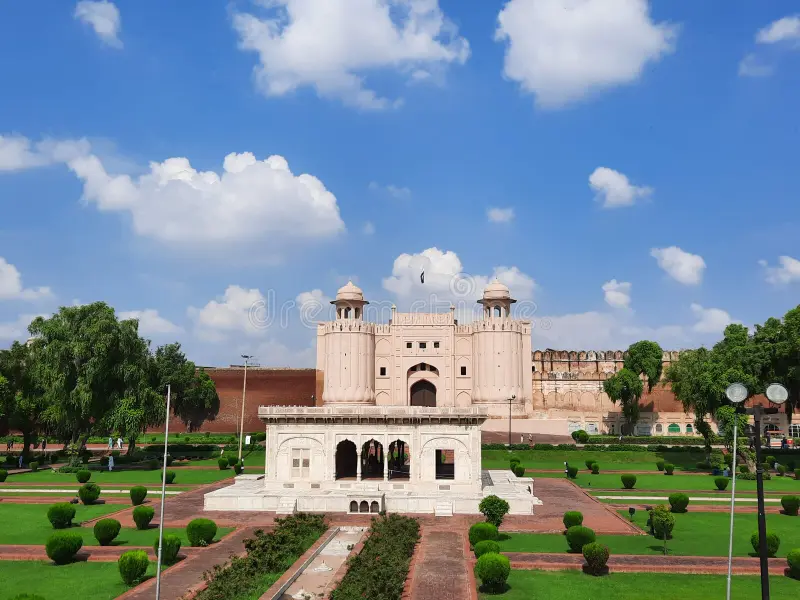
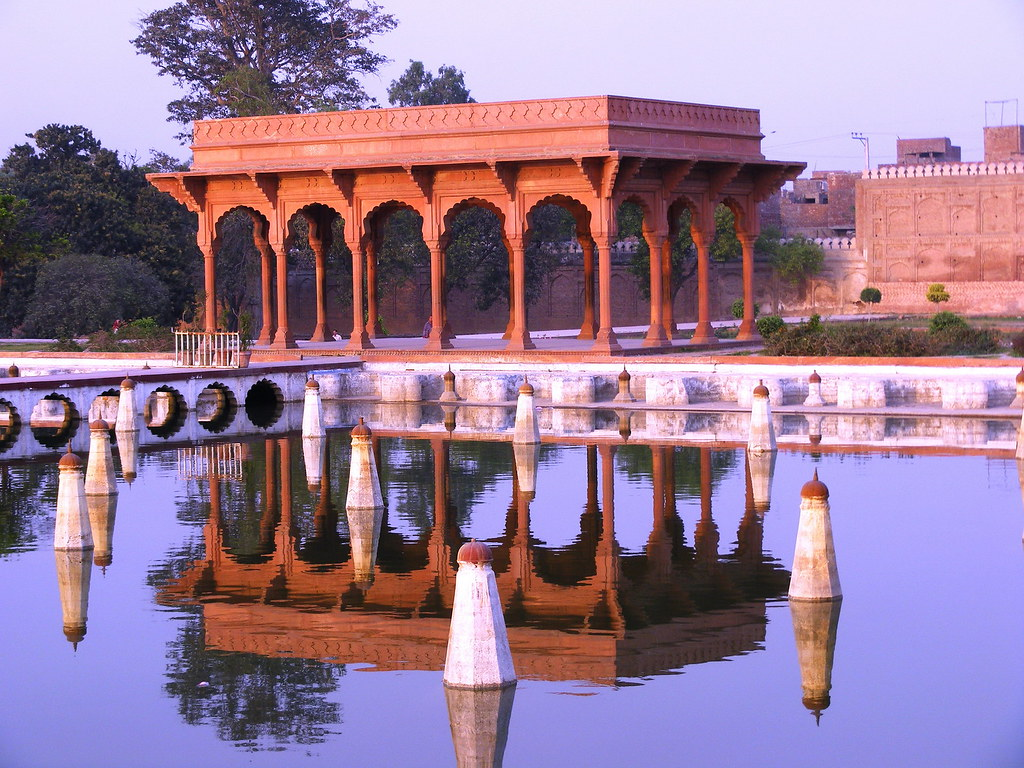
Lahore Fort and Shalamar Gardens embody Mughal political power and aesthetic sophistication.
Lahore Fort: Expanded by Akbar, Jahangir, and Shah Jahan, featuring Sheesh Mahal, Alamgiri Gate, and Diwan-i-Khas.
Shalamar Gardens (1641): Designed to represent paradise with flowing water, three descending terraces, 410 fountains, and marble pavilions. These gardens influenced landscape design throughout South Asia.
Fascinating Facts:
- Gardens designed to reflect Mughal paradise ideology
- Both sites are still actively maintained and visited today
Historical Monuments at Makli, Thatta: One of the Largest Necropolises on Earth
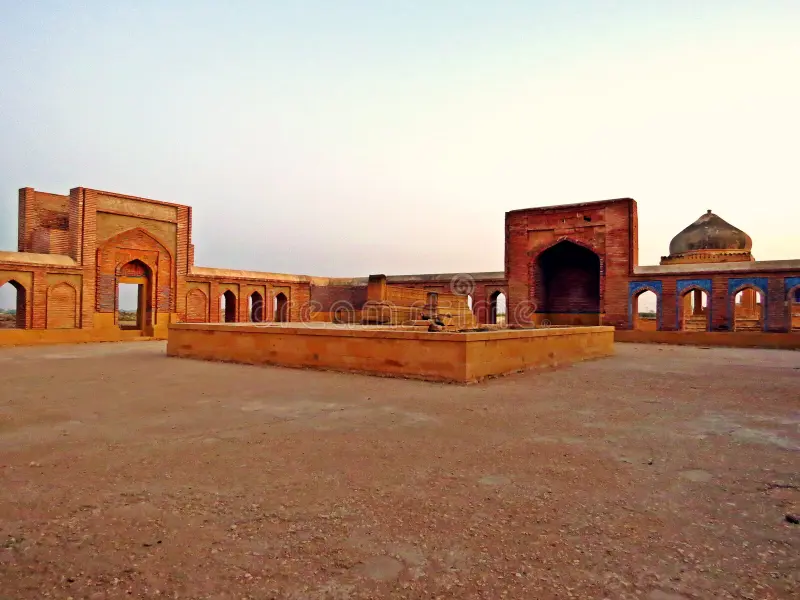
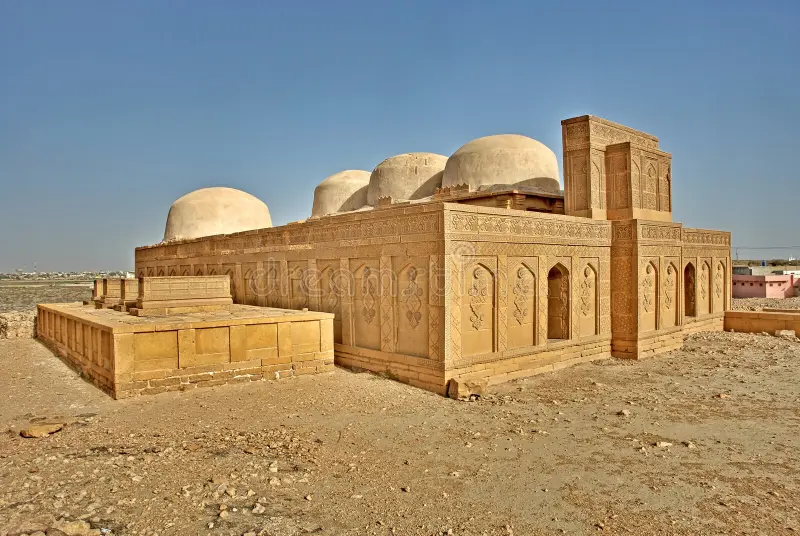
Spanning more than 10 kilometers, Makli Necropolis contains tombs of Samma kings, Arghun rulers, and Mughal governors from the 14th–18th century.
The tombs reflect Islamic, Persian, Rajput, and local Sindhi architectural styles, decorated with sandstone carvings and Quranic inscriptions. Many were constructed during the lifetime of the deceased, allowing supervision of their own mausoleum.
Fascinating Facts:
- Many tombs were supervised by their patrons during construction
- Sandstone carvings and Quranic inscriptions adorn the structures
Rohtas Fort
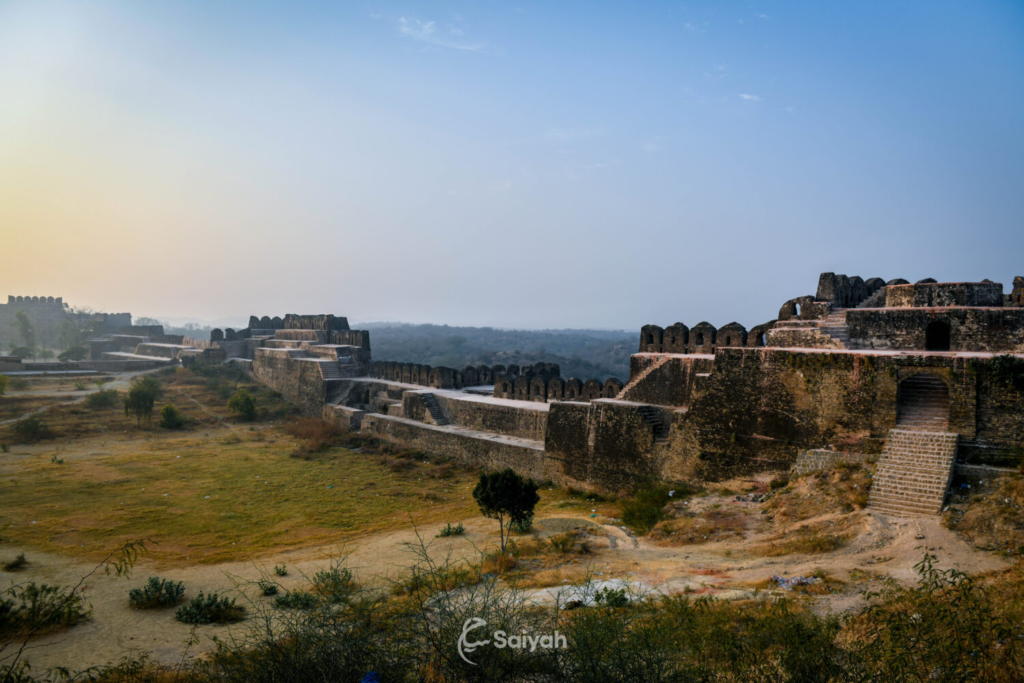
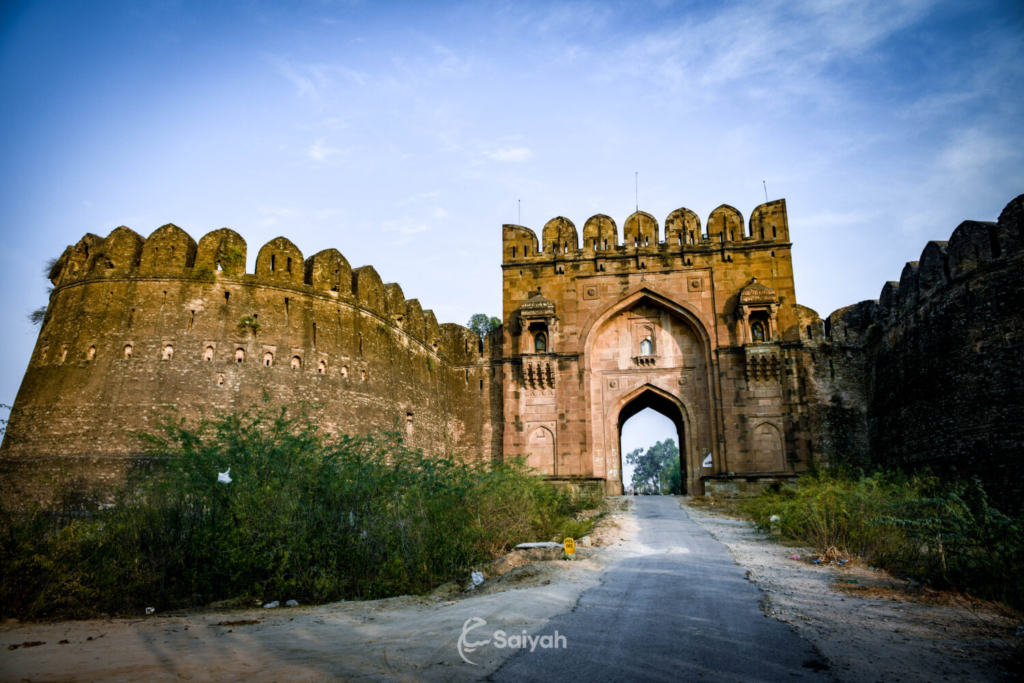
Constructed in the 1540s by Sher Shah Suri to stop Mughal emperor Humayun’s return, Rohtas Fort is a masterpiece of military engineering.
Features:
- Walls stretching over 4 kilometers, up to 18 meters thick
- 12 fortified gates
- Stepwells, mosques, and residential areas
Fascinating Facts:
- Represents the transition from medieval to gunpowder-era fortifications
- Strategic architecture still studied by historians today
Rohtas illustrates the transition from medieval to gunpowder-era fortifications, making it a globally important historical site.
Why Pakistan’s UNESCO Sites Are Globally Important
Together, these six sites document:
- The rise of the world’s earliest cities
- Spread of Buddhism across Asia
- Fusion of Greek and South Asian art
- Military innovations of early modern empires
- Peak of Mughal architectural aesthetics
Few countries offer such a continuous historical timeline from the Bronze Age to the early modern era.
Threats and Preservation Challenges
Despite their significance, several sites face risks:
- Flood damage at Mohenjo-daro
- Urban encroachment around Makli
- Pollution affecting Lahore Fort frescoes
- Looting and illegal excavations in remote archaeological zones
Tentative UNESCO Sites in Pakistan
In addition to the six official World Heritage Sites, Pakistan has 26 sites on the UNESCO Tentative List, showing its rich potential for future recognition. Some notable sites include:
- Badshahi Mosque, Lahore
- Wazir Khan’s Mosque, Lahore
- Tombs of Jahangir, Asif Khan, and Akbari Sarai, Lahore
- Hiran Minar and Tank, Sheikhupura
- Tomb of Hazrat Rukn-e-Alam, Multan
- Rani Kot Fort, Dadu
- Shah Jahan Mosque, Thatta
- Chaukhandi Tombs, Karachi
- Archaeological Site of Mehrgarh
- Archaeological Site of Rehman Dheri
- Archaeological Site of Harappa
- Archaeological Site of Ranigat
- Shahbazgarhi Rock Edicts
- Mansehra Rock Edicts
- Baltit Fort
- Tomb of Bibi Jawindi, Baha’al-Halim, and Ustead, and the Tomb and Mosque of Jalaluddin Bukhari
- Tomb of Shah Rukn-e-Alam
- Port of Banbhore
- Derawar and the Desert Forts of Cholistan
- Hingol Cultural Landscape
- Karez System Cultural Landscape
- Nagarparkar Cultural Landscape
- Central Karakoram National Park
- Deosai National Park
- Ziarat Juniper Forest
- The Salt Range and Khewra Salt Mine
These tentative sites reflect Pakistan’s diverse cultural, historical, and natural heritage, highlighting its ongoing contribution to global heritage preservation.
Pakistan’s UNESCO World Heritage Sites are more than national landmarks. They form a continuous record from the Bronze Age to the Mughal Empire, showcasing technological, artistic, and intellectual achievements.
From Mohenjo-daro’s planned streets to Shalamar Gardens’ serene terraces and Rohtas Fort’s imposing defenses, these sites are chapters of human civilization that belong to the world. Preserving them is essential for both national identity and global heritage.
Frequently Asked Questions About Pakistan UNESCO World Heritage Sites
What are the UNESCO World Heritage Sites in Pakistan?
Pakistan has six official UNESCO World Heritage Sites: Mohenjo-daro, Taxila, Takht-i-Bahi and Sahr-i-Bahlol, Lahore Fort and Shalamar Gardens, Makli Necropolis, and Rohtas Fort.
Why is Mohenjo-daro important in history?
Mohenjo-daro, built around 2500 BCE, is one of the world’s earliest planned cities. It features grid streets, covered drainage, multi-room houses, and the famous Great Bath, highlighting advanced urban planning of the Indus Valley Civilization.
How can I visit Taxila and explore its ancient ruins?
Taxila is located in Punjab, Pakistan, and can be visited year-round. Guided tours showcase ancient universities, Buddhist monasteries, and Gandhara art that blend Greek and South Asian influences.
What makes Lahore Fort and Shalamar Gardens famous?
Lahore Fort showcases Mughal architecture including Sheesh Mahal and Alamgiri Gate, while Shalamar Gardens represents paradise with terraces, flowing water, and 410 fountains. Both are UNESCO World Heritage Sites in Lahore.
Where is Rohtas Fort located and what is its history?
Rohtas Fort is in Punjab, Pakistan, built in the 1540s by Sher Shah Suri to block Mughal emperor Humayun. Its 4 km walls, 12 gates, and stepwells make it an engineering masterpiece of its era.
What are the fascinating facts about Makli Necropolis?
Makli Necropolis in Thatta spans over 10 km, featuring tombs of Samma kings, Arghun rulers, and Mughal governors. Its sandstone carvings, Quranic inscriptions, and diverse architectural styles make it one of the largest cemeteries in the world.
Which Pakistani historical sites are on UNESCO’s tentative list?
Pakistan has 26 sites on UNESCO’s tentative list, including Badshahi Mosque, Wazir Khan Mosque, Shah Jahan Mosque, Derawar Fort, Hingol Cultural Landscape, and the Salt Range & Khewra Salt Mine.
How old is Takht-i-Bahi and why is it significant?
Takht-i-Bahi, built in the 1st century CE, is one of South Asia’s best-preserved Buddhist monastic complexes. Its hilltop location kept it safe from invasions, preserving meditation chambers, stupas, and monastic quarters.
What is the best time to visit Pakistan UNESCO heritage sites?
The ideal time is from October to March, when temperatures across Sindh, Punjab, and Khyber Pakhtunkhwa are cooler, making visits to sites like Mohenjo-daro, Taxila, and Rohtas Fort more comfortable.
How do Pakistan UNESCO sites reflect ancient civilizations?
From Mohenjo-daro’s urban planning to Gandhara art in Taxila, and Mughal gardens in Lahore, these sites showcase technological, artistic, and cultural achievements spanning the Bronze Age to the Mughal era.