

Pakistan’s most vibrant cultural celebrations, the Chilam Joshi Festival in Chitral, also known as the Spring Festival of the Kalasha people. It’s mesmerizing event filled with ancient rituals, colorful dances, and the breathtaking beauty of the Hindukush mountains. This complete travel guide covers everything you need to know about attending Chilam Jusht 2026, from festival dates to travel tips, ensuring your trip to Kalash Valley is unforgettable. Whether you’re drawn to Chitral culture or seeking an off-the-beaten-path adventure, this guide has you covered.
Who Are the Chitrali and Kalasha People?


The Chitrali people are the inhabitants of Chitral district in northern Pakistan, known for their rich history, hospitality, and diverse ethnic backgrounds. Nestled in the Hindukush region, Chitralis speak Khowar and have a culture influenced by ancient Persian, Greek, and Central Asian elements. They are predominantly Muslim and live in harmony with the natural landscape, engaging in agriculture, herding, and tourism.
The Kalasha, an indigenous tribe of about 3,000 in Bomburet, Rumbur, and Birir, have preserved their unique polytheistic traditions despite historical pressures. Protected today, their culture, black robes, and fair complexion reflect a rich heritage in Chitral.
History and Significance of Chilam Jusht Festival
The Chilam Joshi Festival, also spelled Chilim Jusht or Chilam Jusht, has roots in ancient Vedic and Avestan practices, possibly tracing back to nomadic groups from the Caucasus region. Historically, the Kalasha were part of a larger group spread across Afghanistan’s Nuristan (formerly Kafiristan) and Chitral. In 1895-1896, Afghanistan’s Emir Abdur Rahman invaded Kafiristan, forcing conversions to Islam and renaming it Nuristan. The Kalasha in Chitral, under British Indian protection, survived as “Black Kafirs,” preserving their pagan beliefs.

Chilam Joshi marks the end of winter and the start of spring, symbolizing renewal and the tilling of fields. It’s tied to ancient Persian Nowruz traditions, with dates varying based on a traditional lunar calendar managed by Kalash elders. The festival honors deities like Mahadeo (the supreme god) through sacrifices, dances, and chants, ensuring bountiful harvests. Mythologically, it’s a time to entice gods for protection and fertility, blending idolatry with nature worship. Its cultural importance lies in preserving Kalasha identity amid modernization, offering a glimpse into early Vedic rituals.
Chilam Joshi 2026 Calendar – Dates
Chilam Joshi 2026 runs from May 13 to May 16, aligning with the spring season in Kalash Valley. The highlight is often the full moon night, though festival dates are adjusted by elders for optimal weather and traditions. The best time to visit Kalash Valley is April to October, but for the festival, arrive a day early to acclimate. May offers mild weather (15-25°C), blooming flowers, and fewer crowds compared to summer peaks.
How to Reach Chitral and Kalash Valley – Chitral Map
Reaching Chitral and Kalash Valley is an adventure in itself. From Islamabad, take a road trip (around 400 km, 10-12 hours) via the Lowari Tunnel, which has shortened the journey significantly.
Key route: Islamabad to Peshawar (165 km), then to Chakdara, Dir, and over Lowari Pass to Chitral. From Chitral town, Kalash Valley is 30-40 km away, Bomburet is 30 km, reachable by jeep or local transport.
Distances: Islamabad to Chitral distance is approximately 400 km by road. Use the new highway for smoother travel, but check for snow in early May.
Where to Stay During Chilam Joshi Festival
Accommodations in Chitral and Kalash Valley range from budget guesthouses to mid-range hotels. In Bomburet, stay at local guest houses like PTDC Motel or Kalash Guest House for an authentic experience (book early as festival crowds fill up). In Chitral town, options include Hindukush Heights or Chitral Fort Hotel.
For luxury, Ayun Fort Residence offers gardens and views. Booking tips: Reserve 3-6 months in advance via tour operators. Camping is possible but not recommended during the festival due to crowds.
Traditional Clothing of the Kalasha People
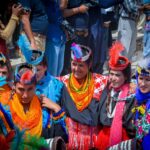
The vibrant and unique traditional clothing of the Kalasha people is one of the most visually striking aspects of the Chilam Jusht Festival. Every outfit is rich in symbolism, reflecting heritage, identity, and cultural beliefs. During the festival, both men and women wear their finest attire, making the valleys come alive with colors and intricate designs.
Women’s Traditional Clothing


- Cheo (Black Woolen Robe): The base garment is a black woolen robe, traditionally symbolizing fertility and protection from evil spirits.
- Embroidery and Adornments: Robes are elaborately decorated with colorful cowrie shells, beads, and feathers, making them highly ornate.
- Kupas (Headdress): Women wear a tall headdress called a kupas, adorned with feathers and jewelry.
- Festival Accessories: Necklaces, bracelets, and other jewelry are added during Chilam Joshi to enhance the festive look.
- Cultural Significance: The black robes are a nod to their historical name, “Black Kafir,” but during the festival, the vibrant decorations turn them into a celebration of life and community.
Men’s Traditional Clothing
- Simple Yet Distinctive Attire: Men typically wear baggy trousers paired with shirts made of local fabrics.
- Chitrali Cap: The signature cap is decorated with feathers, adding a festive touch.
- Festival Additions: During Chilam Joshi, men carry musical instruments and may add small accessories to match the celebratory spirit.
- Symbolic Colors: While men’s daily wear is simpler, festival attire bursts with color to complement the lively atmosphere of the festival.

Day-to-Day Chilam Joshi Festival Activities


Chilam Joshi spans four days with ritualistic activities:
- Day 1 (May 13): Milk Day – Villagers collect milk and fruits to offer at altars, starting with goat sacrifices and chants to deities.
- Day 2 (May 14): Flower Day – Decorations with flowers; dances begin in Bomburet, moving village to village with drumming and singing.
- Day 3 (May 15): Main celebrations in Rumbur and Birir; ritual dances, wine sharing, and homage to gods like Mahadeo.
- Day 4 (May 16): Climax – Intense dancing, feasting, and final sacrifices, marking the tilling season.
Activities include group dances (dances lost meanings but entice deities), visits to groma (worship places), and interactions with wooden effigies.
Local Cuisine to Try During Chilam Joshi

Kalash food is simple yet flavorful, emphasizing seasonal produce.
Kalash Cuisine
- Goat meat dishes: Prepared from animals sacrificed during rituals, typically served with corn bread or barley.
- Festival treats:
- Matured wines
- Walnuts
- Apples
- Dried fruits
- Matured wines
Chitrali Cuisine
- Local specialties:
- Freshwater trout
- Apricot-based dishes
- Chapshuro (meat-stuffed bread)
- Freshwater trout
- Vegetarian options:
- Corn porridge
- Vegetable stews
- Corn porridge
- Wine culture: Central to local tradition; consume respectfully and ask locals for tastings
Photography Tips for Chilam Joshi Festival
Chilam Joshi offers stunning photo ops, but respect is key. Best times: Early morning for village walks and golden hour dances; night for ethereal shots.
Cultural etiquette: Always ask permission before photographing people, especially women and rituals. Use telephoto lenses for candid shots. Avoid flash in sacred sites. Pro tip: Capture wide-angle valley views with dancers in foreground.
Many Kalasha women do NOT want to be photographed up close, always ask a local elder or guide first
Things to Keep in Mind During Chilam Joshi
Safety: Kalash Valley is safe, but stick to groups and avoid isolated areas at night. Follow government advisories.
Etiquette: Respect Kalasha norms, don’t enter homes uninvited, avoid touching altars, and dress modestly. No alcohol outside festivals if not Kalasha.
Cultural norms: The community is declining; support ethically by buying local crafts. Carry cash, as ATMs are scarce. Weather can change; pack layers.
Chitrali Handicrafts to Buy in Kalash Valley
Shop ethically in Bomburet bazaars for Kalash souvenirs like embroidered caps, beaded jewelry, wooden effigies, and walnut carvings. Nuristani woodwork from Kamdesh-inspired villages is exquisite.
Buy from cooperatives to support the community. Prices: PKR 500-5,000. Avoid bargaining aggressively.
Other Festivals in Kalash Valley
Compare Chilam Joshi with other Kalash festivals:
- Utchal (Aug 20-22): Harvest festival; collecting grapes, walnuts, and brewing wine. Shepherds return, with sacrifices marking abundance.
- Pul (Sep, full moon): Field work ends; produce gathering and merrymaking.
- Choimus (Dec 15-22): Winter solstice; matured wine, goat sacrifices, and homage to dead spirits. Longest festival with bodily displays of strength.
All involve dances and rituals, but Chilam Joshi is the most vibrant for spring vibes.
5–6 Day Chilam Joshi Festival Itinerary from Islamabad
This sample 6-day itinerary with Saiyah Travels ensures a seamless experience:
- Day 1: Arrive Islamabad – Transfer to hotel, city tour including Faisal Mosque and Saidpur Village. Welcome dinner.
- Day 2: Islamabad to Chitral (Drive) – Early morning drive to Chitral via Lowari Tunnel, visit White Mosque and Fort upon arrival, then to Bomburet Guest House.
- Day 3: Bomburet Exploration – Walk Batrik and Anish villages, visit houses and altars. Afternoon excursion to Rumbur.
- Day 4: Festival Day 1-2 (Bomburet/Rumbur) – Join Chilam Joshi activities: sacrifices, dances. Full day in valleys.
- Day 5: Birir and Chitral – Visit Birir for orthodox celebrations, then Chitral Museum and possible Polo game.
- Day 6: Chitral to Islamabad (Drive) – Morning views of Tirich Mir, drive back. Farewell in Islamabad.
Saiyah Travels handles permits, transport, and guides. Saiyah Travels specializes in customized Chilam Joshi tour packages, offering expert local guides fluent in Kalasha customs. With small group sizes (2-15 pax), we ensure personalized experiences, including permits, accommodations, and ethical interactions. Contact us for seamless bookings and insider access to Chitral’s hidden gems.
Frequently Asked Questions – Chilam Joshi / Chilam Jusht Festival
1. What is the correct spelling: Chilam Joshi or Chilam Jusht (Chilim Joshi)?
Both spellings are used interchangeably. The festival is referred to as Chilam Joshi, Chilam Jusht, or sometimes Chilim Joshi. All refer to the same annual spring festival of the Kalasha people.
2. When does Chilam Joshi take place each year and what are the 2026 dates?
Chilam Joshi is celebrated in mid-May, typically from May 13 to May 16. For 2026, plan your visit around these dates for the full festival experience.
3. Where is Chilam Joshi celebrated — which valleys in Kalash Valley should I visit?
The festival is celebrated in the three main Kalash valleys: Bumburet (Bomburet), Rumbur, and Birir. Bumburet is the most accessible and popular with tourists.
4. What is the cultural and religious significance of Chilam Joshi Festival?
Chilam Joshi marks the arrival of spring. The Kalasha pray for blessings on livestock, agriculture, and community renewal. The festival preserves heritage and reinforces cultural identity through traditional rituals and dances.
5. What happens during Chilam Joshi — dances, rituals, matchmaking, food, etc.?
The festival includes circle dances with drums and flutes, communal feasts, rituals, and offerings to deities for fertility and prosperity. It is also a social event where young men and women may meet for courtship.
6. What should tourists know before visiting Chilam Joshi — permissions, NOC, restrictions?
Visitors should respect Kalasha customs, avoid intrusive behaviour, and consider using tour operators familiar with local permissions. Some regions require an NOC for foreigners, which tour companies can arrange.
7. Is it safe for tourists (especially foreigners and women) to visit Chilam Joshi?
Chilam Joshi is generally safe. The community is welcoming, and the festival is peaceful, but visitors should respect cultural norms, stick to groups, and exercise normal travel caution.
8. What kind of accommodation and lodging options exist during Chilam Joshi?
Options range from guesthouses and homestays to small hotels in the valleys. Booking early is essential, as accommodations fill up quickly during the festival.
9. How can I travel from Islamabad or Peshawar to Chitral / Kalash Valley?
Travel involves driving via the Lowari Tunnel or flying to Chitral, then taking local transport (jeep or taxi) to Bumburet, Rumbur, or Birir. Roads are mountainous, so plan for long travel times and check weather conditions.
10. What should I wear and what cultural etiquette should I follow at Chilam Joshi?
Wear modest and respectful clothing. Ask permission before photographing people, avoid entering private areas uninvited, and respect ritual practices. Avoid disruptive behaviour to preserve cultural harmony.
11. What local food and traditional dishes can I expect during Chilam Joshi?
Traditional dishes include goat meat, corn bread, seasonal fruits, dairy-based foods, and local wines. Communal feasts are an important part of the festival experience.
12. How can I respectfully photograph the festival and the people of Kalash Valley?
Always ask before taking photos, especially of women or sacred rituals. Use telephoto lenses for candid shots and avoid flash in sensitive areas. Follow guidance from elders or guides.
13. What handicrafts or souvenirs should I buy and how to buy ethically from the Kalash community?
Popular items include beadwork, traditional jewelry, embroidered clothing, and wood carvings. Buy directly from artisans or community-run shops and avoid aggressive bargaining to support the local economy ethically.
14. What other festivals do the Kalash people celebrate besides Chilam Joshi?
Other Kalash festivals include Uchal (summer/harvest) and Choimus (winter), marking seasonal and agricultural cycles with dances and rituals.
15. Are there negative aspects or concerns I should be aware of before visiting?
Tourism impacts include overcrowding, cultural sensitivity issues, and environmental stress. Visitors should behave respectfully, follow local guidance, and avoid intruding on private or sacred activities.

[…] & June: Warm and pleasant, perfect for Chilam Joshi festival and exploring Kalash villages. Approx. 12°C to […]
[…] Chilam Joshi – Kalash Valley […]