
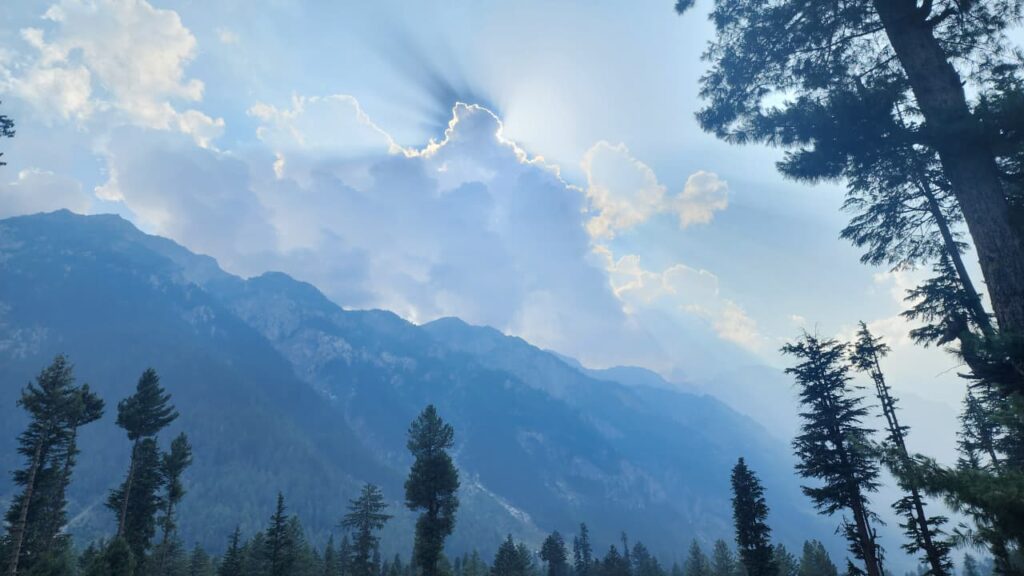
Some places are visited.
Some places are felt.
Discover the hidden paradise of Kumrat Valley Pakistan, an alpine escape tucked away in the Upper Dir District of Khyber Pakhtunkhwa. Towering deodar forests, the serene Panjkora River, lush green meadows, and stunning attractions like Jahaz Banda and Katora Lake make Kumrat a natural haven that touches the soul. This untouched beauty combines adventure, serenity, and breathtaking landscapes, making it ideal for families, couples, honeymooners, or solo travelers seeking a connection with nature.
This complete Kumrat Valley travel guide provides everything a visitor needs to plan a perfect trip. From current weather forecasts and distances from major cities to the latest road conditions, best hotels and glamping experiences, must-visit attractions such as Kumrat Waterfall and Do Jangah, exciting activities, and customized most reasonable tour packages, this guide ensures you are fully prepared to experience Kumrat at its most magical.
Where is Kumrat Valley? Location and Easy Access Tips
Kumrat Valley is nestled deep in the Hindu Kush mountains of Upper Dir District, also known as Dir Kohistan. The valley’s main gateway is Thal village, from where the landscape opens up along the winding Panjkora River. Thick deodar and pine forests create a peaceful, cathedral-like silence that rejuvenates both body and mind. The GPS coordinates for this hidden alpine gem are approximately 35°32’N, 72°13’E.
Unlike busier tourist spots like Swat or Naran, Kumrat remains pristine, preserving the sense of being in a true escape. Visitors often describe a magical feeling upon entering the valley, where the stillness of nature and the sound of flowing water restore inner calm. It is important to note that mobile signals are weak in the deeper parts of the valley, so downloading offline maps from Google Maps or Maps.me is essential for smooth navigation.
Travelers searching for “Kumrat Valley location” or “Kumrat Valley map” will quickly understand why this serene destination is worth the journey: it is not just a place to visit, but an experience that leaves a lasting emotional impression.
Kumrat Valley Weather & Best Time to Visit
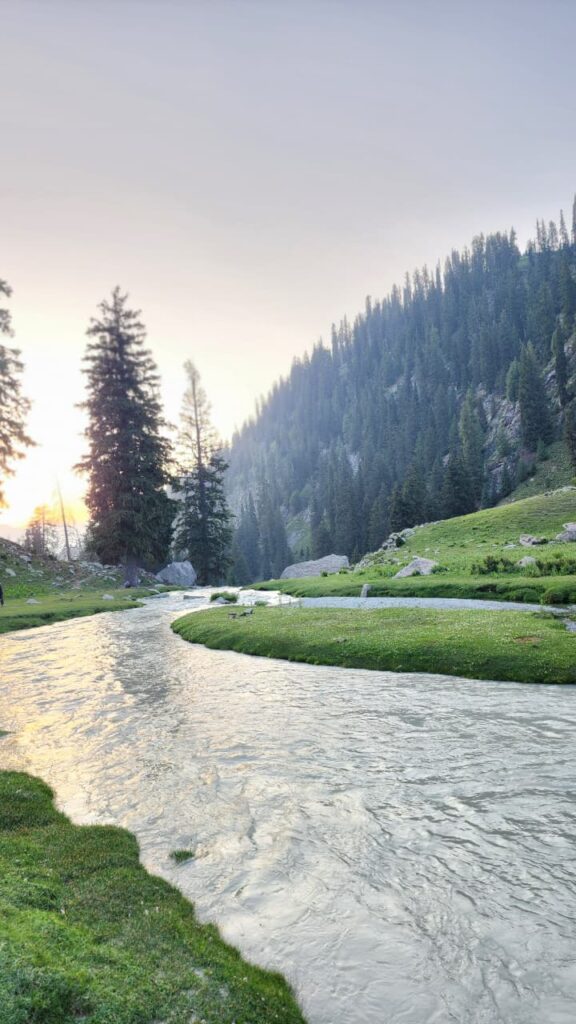
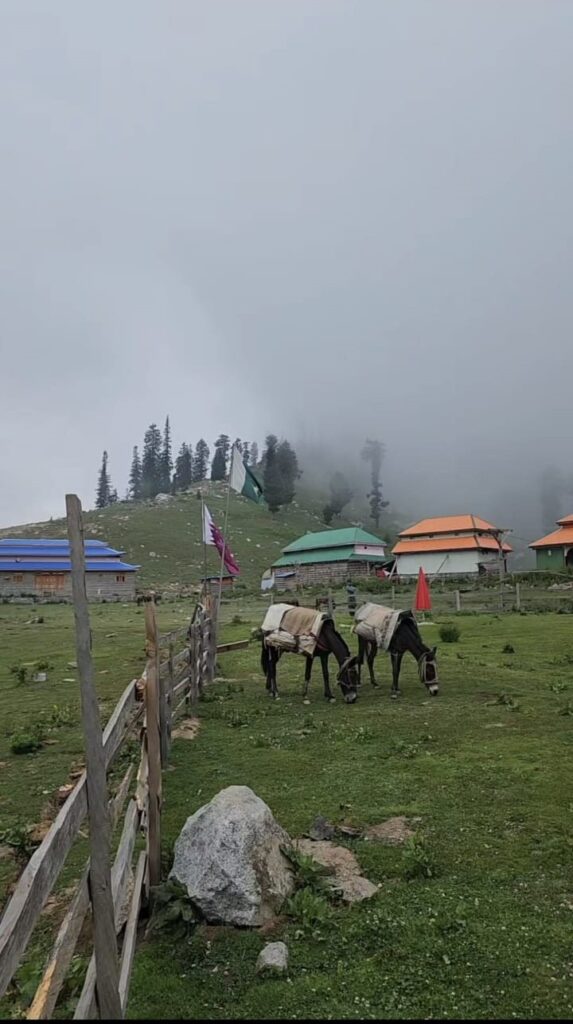
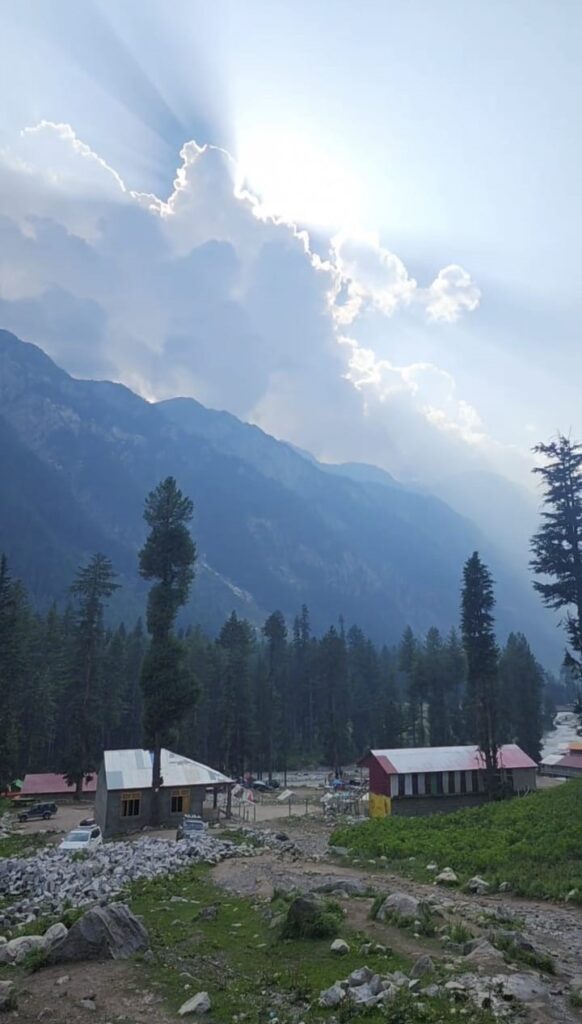
Kumrat’s alpine climate paints a unique seasonal portrait, influencing the experience of every visitor. The best time to explore the valley is from May to September, when daytime temperatures hover between 15–25°C, creating ideal conditions for exploring meadows, rivers, and trails. Nights are cooler, 5–15°C, perfect for enjoying bonfires beneath the stars. During this season, wildflowers bloom abundantly, waterfalls surge with snowmelt, and the lush greenery creates a vibrant, almost fairy-tale-like landscape. July and August, while peak season, bring more visitors and lively energy.
From October onward, snow blankets the valley, dropping temperatures below 0°C and often closing access roads. This period appeals to winter adventurers seeking solitude, quiet reflection, and snow-covered landscapes. Sudden weather changes are common in high-altitude areas, so packing layers, waterproof jackets, and sturdy boots is essential. Checking the latest weather forecasts before your trip ensures a safe and enjoyable visit.
Distances to Kumrat Valley from Major Cities and Recommended Routes
Planning your journey with accurate distances and realistic travel times makes the adventure enjoyable rather than exhausting. From major cities in Pakistan, the routes are as follows:
Islamabad to Kumrat Valley: Approximately 370–385 kilometers, taking 8–10+ hours. Travelers can take the Swat Motorway to Chakdara, then follow the N-45 highway through Dir and Thal, finishing with a scenic jeep ride into the heart of the valley. The journey transitions from flat plains to rising hills and dense forests, adding to the anticipation and excitement.
Lahore to Kumrat Valley: Around 690–730 kilometers, requiring 12–14 hours. The route passes via the M-2 motorway to Islamabad and continues northward. Many travelers split the journey over two days, making stops at scenic points to fully enjoy the diverse landscapes.
Peshawar to Kumrat Valley: Approximately 330–380 kilometers, often the fastest route for northern travelers.
Kalam (Swat) to Kumrat Valley: About 60–70 kilometers via Badgoi Pass, a rough 4×4-only route. Though challenging and slower (4–6+ hours), it offers breathtaking mountain vistas and a true sense of adventure for experienced travelers.
Splitting longer drives over two days is highly recommended, allowing travelers to soak in the changing scenery, enjoy the peaceful environment, and arrive refreshed, ready to embrace the valley’s natural beauty.
Kumrat Valley Road Conditions in 2026: How to visit Kumrat Valley by road
Traveling to Kumrat Valley is an adventure in itself. The roads combine smooth highways with rugged off-road sections, reflecting the valley’s blend of convenience and challenge. The primary route up to Thal is mostly paved, albeit narrow and winding, making it drivable in regular vehicles.
Beyond Thal, however, the last 20–30 kilometers transform into a rocky and unpaved jeep track with stream crossings, steep inclines, and occasional boulders. This segment demands a 4×4 vehicle and takes approximately 1.5–3 hours, depending on conditions. While minor improvements to the road are expected in 2026, rain can still create temporary mud or landslides, so caution is advised.
Jeep rentals in Thal prices often starting around PKR 8,000-9,000 for a basic return trip, but can go up to PKR 14,000-20,000+ for longer stays, luxury vehicles (like Prado), or extended tours including spots like Jahaz Banda/Katora Lake, depending on the season and provider. Opting for a guided tour with experienced drivers is highly recommended, not just for safety, but to ensure the journey itself is enjoyable. A knowledgeable driver can navigate tricky paths, allowing travelers to focus on the thrill of the landscape and the anticipation of arrival.
Best Places to visit in Kumrat Valley: Attractions That Will Leave You Speechless
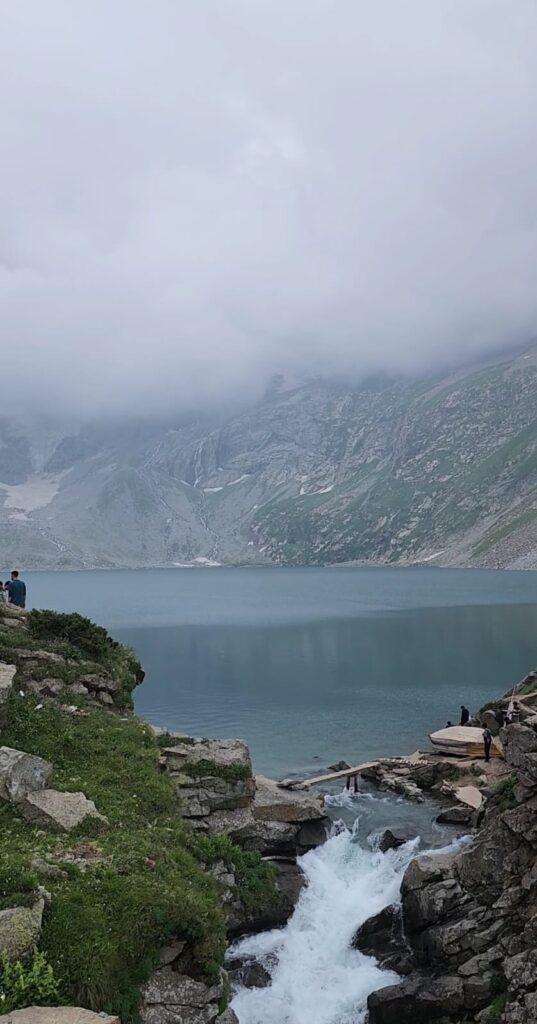
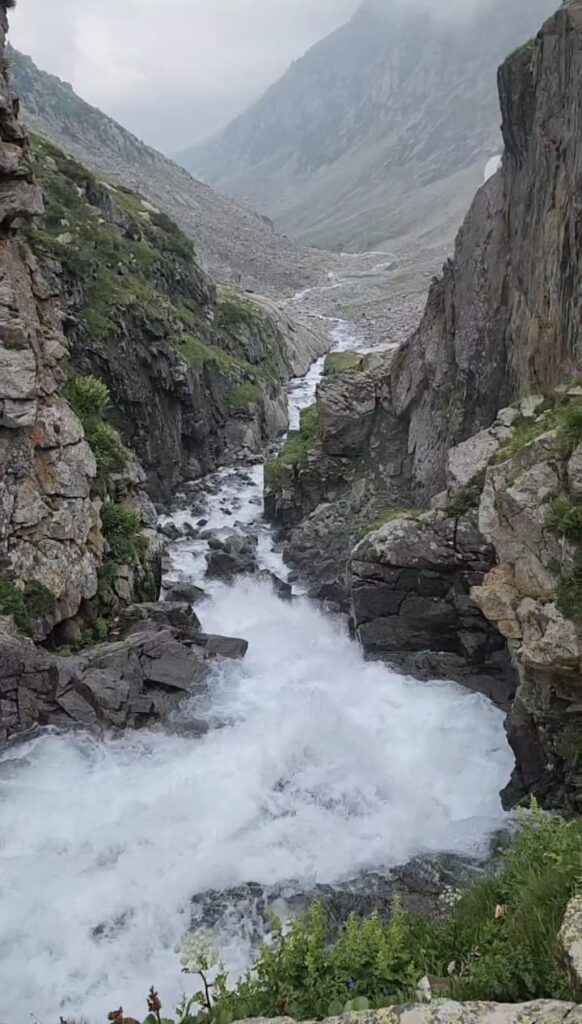
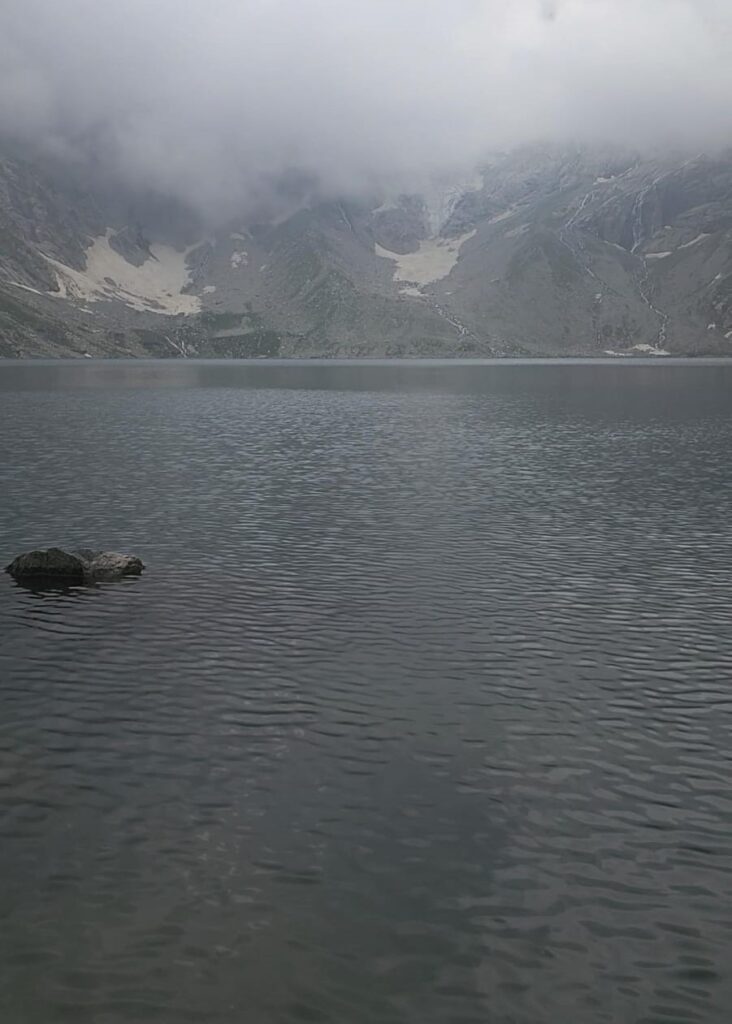
Kumrat Valley offers a collection of sights that are not merely scenic, but emotionally stirring. Each destination within the valley tells a story, immersing visitors in nature’s grandeur.
Panjkora River is the valley’s lifeline. Its turquoise, glacier-fed waters carve through meadows and forests, providing serene spots for picnics and quiet reflection. The gentle roar of the river soothes the soul and offers a timeless sense of tranquility.
Kumrat Waterfall (Abshar) is a dramatic cascade hidden within dense forests. Snowmelt creates powerful flows, forming misty rainbows and refreshing sprays that invigorate the spirit. Nearby, Kala Chashma and Do Kala Chashma are natural springs offering crystal-clear, drinkable water. Shaded by trees, these areas are perfect for short breaks, filling visitors with simple joy.
For moments of deep contemplation, Kala Paani features deep, serene pools tucked along river cliffs, while Do Jangah, the confluence of two rivers amidst untouched forests, provides profound peace and isolation, accessible by jeep followed by a short walk.
At higher altitudes, Jahaz Banda, named for its ship-like meadow, stretches across 3,100 meters with endless grasslands, wildflowers, and panoramic mountain views. A jeep ride plus a 2–4 hour moderate hike brings travelers to this iconic spot, where camping under a blanket of stars evokes freedom and wonder.
Nearby Kund Banda, a secluded meadow with freshwater streams and a hidden waterfall, offers a more intimate experience for quiet reflection.
Katora Lake, including Mini Katora and Upper Katora, is a glacial gem at approximately 3,500 meters. The steep trek from Jahaz Banda challenges even seasoned hikers but rewards them with shimmering turquoise waters reflecting surrounding peaks, a moment of spiritual serenity and triumphant accomplishment.
Finally, Thal Village offers a glimpse into local culture, with its historic wooden Jamia Masjid, constructed in 1865 without nails, showcasing Pashtun craftsmanship and hospitality. Each of these locations is a chapter in Kumrat’s story, leaving visitors emotionally connected to the valley’s pristine beauty.
Best Hotels and Resorts in Kumrat Valley
Accommodation in Kumrat ranges from basic guesthouses to luxury glamping, offering options for every type of traveler. Many provide stunning riverside views that enhance the natural experience.
Khanabadosh Glamps Kumrat is a standout, offering luxury domes, pods, and chalets equipped with fireplaces and balconies, combining wilderness with comfort.
Celine Resorts offers riverside elegance with excellent service.
Latitude Resorts provides peaceful stays amid scenic landscapes.
Mountain Lodge Resort focuses on luxury and rejuvenation.
Valhalla & Kumrat Glamping Resort caters to family-friendly needs with modern pods.
For those seeking authenticity, riverside camping remains a favorite, offering nights under stars that few other accommodations can replicate. Booking early is highly recommended, especially during peak season.
Exciting Things to Do in Kumrat Valley
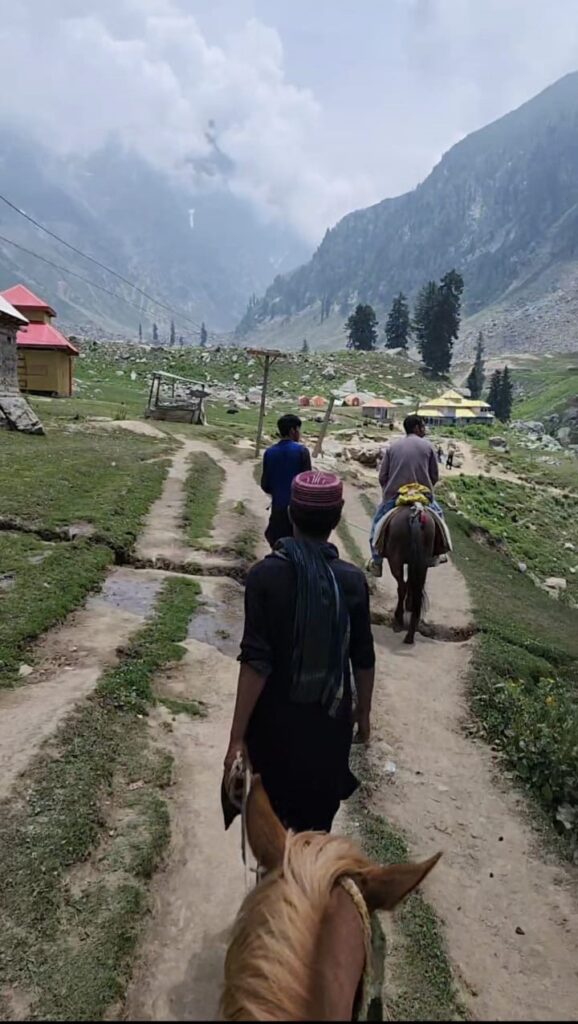
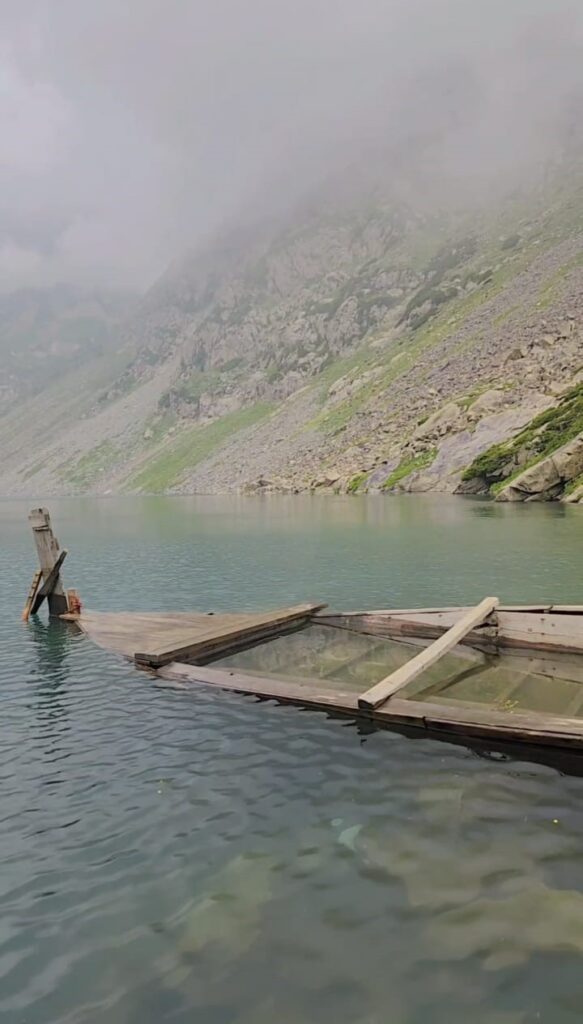
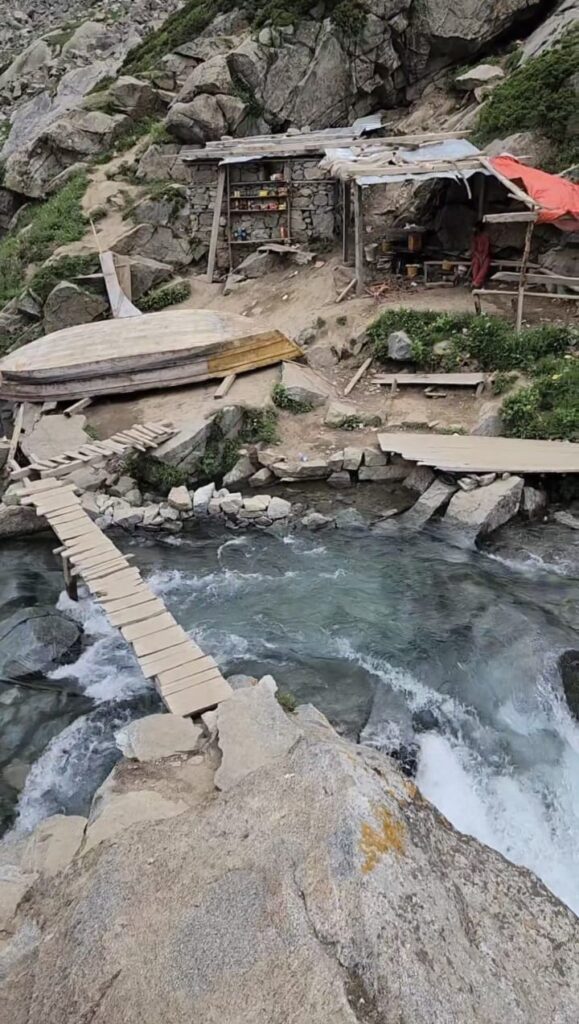
Kumrat Valley offers activities that combine adventure, relaxation, and a deep connection with nature.
Jeep Safaris take visitors to remote parts of the valley inaccessible by regular vehicles. The rides are thrilling, over rugged terrain, and provide breathtaking views at every turn.
Ride horses to Taki Top in Kumrat Valley, enjoying scenic trails, lush forests, and breathtaking panoramic views guided by locals.
Trekking ranges from easy walks along the Panjkora River to challenging ascents toward Katora Lake. Each trek provides a sense of achievement, deep immersion in nature, and access to hidden meadows, waterfalls, and lakes.
Riverside Camping with Bonfires allows travelers to bond under the stars while listening to the soothing sounds of flowing water. Bonfires provide warmth and a cozy atmosphere, making nights magical.
Photography captures dramatic waterfalls, alpine meadows, and turquoise rivers, preserving memories of the journey.
Trout Fishing in clear streams provides a relaxing experience, allowing visitors to engage patiently with nature while enjoying the serenity of the surroundings.
All these activities can be arranged through Saiyah Travels’ customized tour packages, ensuring logistics, transportation, and guidance are handled seamlessly.
Essential Travel Tips for Kumrat Valley
Practical preparation enhances the enjoyment of this remote valley.
Visitors should carry sufficient cash, as ATMs are scarce beyond Dir.
Respecting the environment is critical: pack out all waste and minimize litter to preserve Kumrat’s pristine beauty.
Hiring local guides enhances both safety and the overall experience, providing deeper insights into the natural and cultural heritage of the valley.
Customized Kumrat Valley Tour Packages
Navigating Kumrat independently can be challenging due to rugged roads and remote locations. Saiyah Travels offers both most reasonable and luxury customized tour packages, handling everything from premium accommodations to expert guides and flexible itineraries.
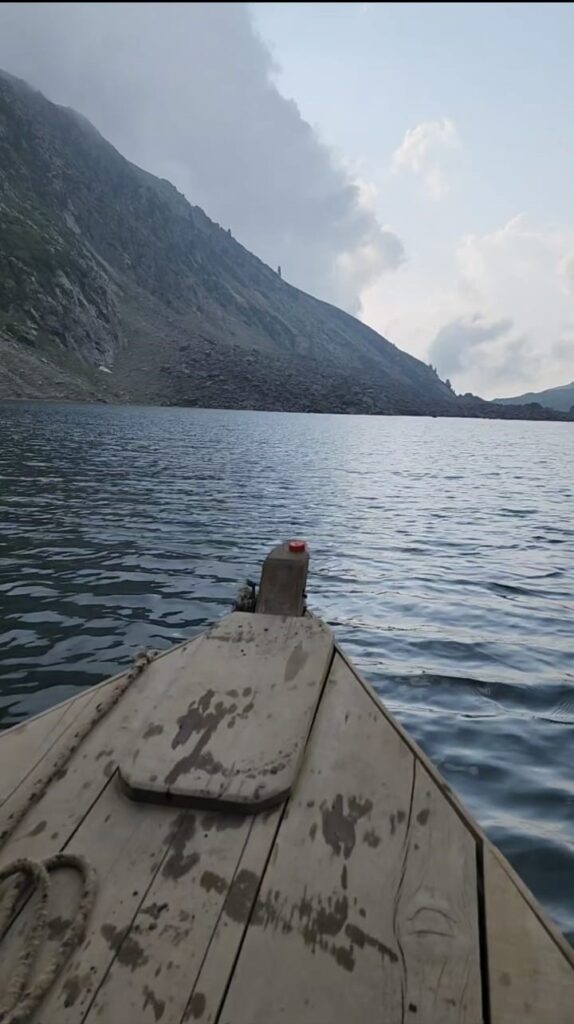
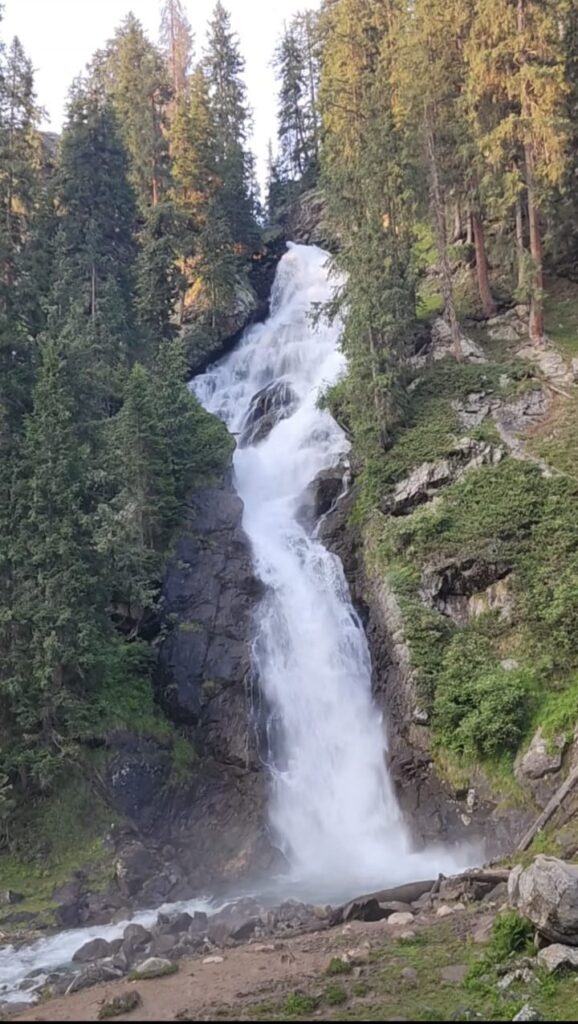

These packages are ideal for family adventures, honeymoon escapes, or trekking expeditions, simplifying logistics and elevating the overall experience, allowing travelers to focus entirely on enjoying the valley’s beauty and adventure.
Why Kumrat Valley Should Be Your Next Destination
Kumrat Valley is more than a scenic destination, it is an emotional experience. Its untouched beauty restores the soul, teaching gratitude through simplicity, patience on winding roads, and joy in observing nature’s quiet grandeur. From lush green meadows and snow-fed waterfalls to starry nights and warm local hospitality, Kumrat offers memories that linger long after departure.
Plan your trip now and immerse yourself in this magical alpine haven. For reasonable and luxury customized tours, Contact Saiyah Travels to make your Kumrat journey safe, immersive, and unforgettable.
Frequently Asked Questions about Kumrat Valley Pakistan
What is the best time to visit Kumrat Valley Pakistan?
The best time to visit Kumrat Valley is from May to September when daytime temperatures range between 15–25°C. The meadows, waterfalls, and rivers are at their most beautiful during this time. Summer months like July and August are peak season with vibrant scenery.
How far is Kumrat Valley from Islamabad and what is the travel route?
Kumrat Valley is approximately 370–385 km from Islamabad. Travelers can take the Swat Motorway to Chakdara, then follow the N-45 highway through Dir and Thal, finishing the journey with a scenic jeep ride into the valley.
What are the road conditions to Kumrat Valley in 2026?
The route combines paved highways with rugged jeep tracks. Beyond Thal, the last 20–30 km require a 4×4 vehicle due to rocky paths, stream crossings, and occasional boulders. Rain may cause temporary mud or landslides.
Which hotels and resorts are the best in Kumrat Valley?
Top accommodations include Khanabadosh Glamps, Celine Resorts, Latitude Resorts, Mountain Lodge Resort, and Valhalla & Kumrat Glamping Resort. Riverside camping is also popular for a more authentic experience.
Is Jahaz Banda trek suitable for beginners or experienced hikers?
Jahaz Banda offers a moderate 2–4 hour trek from the jeep drop-off point. Beginners can manage with guidance, while some prior trekking experience helps navigate forest paths and streams.
How difficult is the trek to Katora Lake from Jahaz Banda?
The trek to Katora Lake is strenuous, taking 3–4 hours uphill over rocky terrain. Recommended for experienced hikers, the effort is rewarded with a stunning turquoise glacial lake at high altitude.
What are the must-visit places in Kumrat Valley Pakistan?
Must-visit spots include Panjkora River, Kumrat Waterfall (Abshar), Kala Chashma, Do Kala Chashma, Kala Paani, Do Jangah, Jahaz Banda, Kund Banda, Katora Lake, and Thal Village.
Can you do riverside camping in Kumrat Valley and where?
Yes, riverside camping along the Panjkora River is highly recommended. Enjoy starry nights, cozy bonfires, and an immersive natural experience.
Are there guided tour packages for Kumrat Valley from Islamabad or Lahore?
Yes, Saiyah Travels offers customized tour packages covering jeep rides, premium accommodations, local guides, and flexible itineraries.
What is the weather like in Kumrat Valley throughout the year?
Kumrat has mild summers from May to September with lush green landscapes. Winters from October to April bring snow and sub-zero temperatures, often closing roads.
Is a 4×4 vehicle necessary to reach Kumrat Valley?
Yes, a 4×4 vehicle is required for the last 20–30 km beyond Thal due to rough jeep tracks. Regular vehicles are not suitable.
How safe is travel to Kumrat Valley for families or solo travelers?
Kumrat is generally safe. Hiring local guides ensures smooth navigation, safer trekking, and insight into local culture and hidden spots.
Where can I find affordable jeep rentals and local guides in Thal village?
Jeep rentals in Thal prices often starting around PKR 7,000-9,000 for a basic return trip, but can go up to PKR 14,000-20,000+ for longer stays, luxury vehicles (like Prado), or extended tours including spots like Jahaz Banda/Katora Lake, depending on the season and provider. .
What activities can I do in Kumrat Valley besides trekking?
Other activities include riverside camping, bonfires, photography, and trout fishing in crystal-clear streams.
How can I plan a 3-5 day itinerary for Kumrat Valley Pakistan?
A 3-5 day trip can include travel from Islamabad, jeep rides, trekking to Jahaz Banda and Katora Lake, riverside camping, and exploring waterfalls and local villages. Customized tour packages from Saiyah Travels help plan this efficiently.
[…] 8. Kumrat Valley — Untouched Wilderness […]