
Chitral & Kalash Valley — The Ultimate Travel Guide to Pakistan’s Hidden Gem
Deep in the Hindu Kush mountains, the valley is adorned with rivers that shimmer like silver threads, pine forests that seem endless, and orchards brimming with apricots, apples, and walnuts.
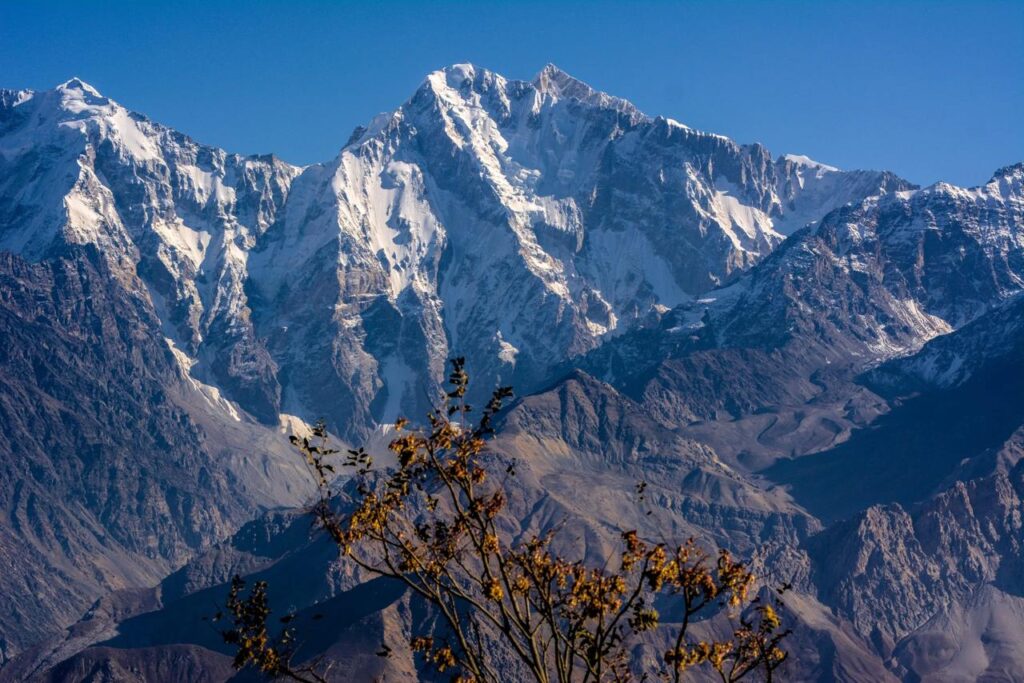
The Kalash Valleys, Bumburet, Rumbur, and Birir, are cultural time capsules, preserving ancient traditions that the outside world barely glimpses. But Chitral is more than Kalash: it’s snow-capped peaks like Tirich Mir, high-altitude polo grounds at Shandur Pass, hot springs at Garam Chashma, and quiet villages where every doorway tells a story.
Travelers visiting Chitral in 2026 seek not just scenery but experiences, the rustle of leaves along narrow trails, traditional Kalash songs sung by firelight, and morning walks along rivers untouched by modern noise. This guide blends practical 2026 updates with rich narrative, giving readers a complete picture of everything to see, do, and feel in Chitral & Kalash.
Journey to Chitral: Routes, Roads & Flights
Reaching Chitral is half the adventure. The journey unfolds from plains to valleys, from wide roads to twisting mountain paths.

By Road:
The distance from Islamabad to Chitral is around 365 km, usually taking 8–10 hours via the Lowari Tunnel. The drive itself is scenic: plains turn into rolling hills, and then into deep green valleys with rivers threading through them. From Peshawar, the journey is about 200 km or 5–6 hours, while travelers from Swat reach Chitral in roughly 4 hours. Roads from Gilgit pass through the scenic Shandur Pass, preferred by adventure seekers.
Local Transport:
Exploring Chitral & Kalash is best with a private jeep or taxi, which allows you to comfortably navigate the rugged mountain roads. Local guides are highly recommended for valley hikes, as they provide cultural insight and ensure safe navigation through the trails. Saiyah Travels packages offer private 4×4 vehicles with experienced drivers, ensuring comfort and convenience throughout your trip.
Chitral Weather in 2026 – Month-by-Month Forecast
The climate in Chitral shapes every experience: festivals, treks, and even daily mood. Temperatures and conditions vary with elevation, so packing accordingly is essential.
- January & February: Snow blankets the mountains, creating perfect winter landscapes and opportunities for winter trekking. Expect approx. -4°C to 8°C.
- March & April: Spring brings blooming apricot orchards, wildflowers, and flowing rivers. Approx. 3°C to 20°C, ideal for festival preparations and early trekking.
- May & June: Warm and pleasant, perfect for Chilam Joshi festival and exploring Kalash villages. Approx. 12°C to 30°C.
- July & August: Peak summer with the Shandur Polo Festival and Uchal Festival. Green meadows, vibrant wildflowers, and mountain breezes make this season magical. Approx. 16°C to 31°C.
- September & October: Autumn colors dominate, creating golden landscapes. Ideal for photography and hiking. Approx. 6°C to 26°C.
- November & December: Snowfall returns, transforming Chitral into a serene winter wonderland. Chaumos Festival takes place during this time. Approx. -3°C to 15°C.
Tip: Even in summer, nights can be chilly, especially in remote valleys; always pack warm layers.
History of Chitral: From Ancient Kingdom to Modern Valley
Chitral’s history is rich, layered, and fascinating. Settlements in the region date back over 2,500 years, influenced by Buddhist, Persian, and Central Asian cultures. The Mehtar Dynasty ruled Chitral as a princely state during the Great Game, leaving behind forts, palaces, and mosques. Chitral joined Pakistan in 1947 and retained significant autonomy until 1972.

Historic landmarks include Chitral Fort, Shahi Masjid, and Birmoghlasht Fort, where guided tours allow travelers to understand the political and cultural history of the region. The ancient architecture tells tales of resilience, strategic location, and a culture deeply connected with its mountains.
The Kalasha Tribe — Pakistan’s Endangered Mountain People
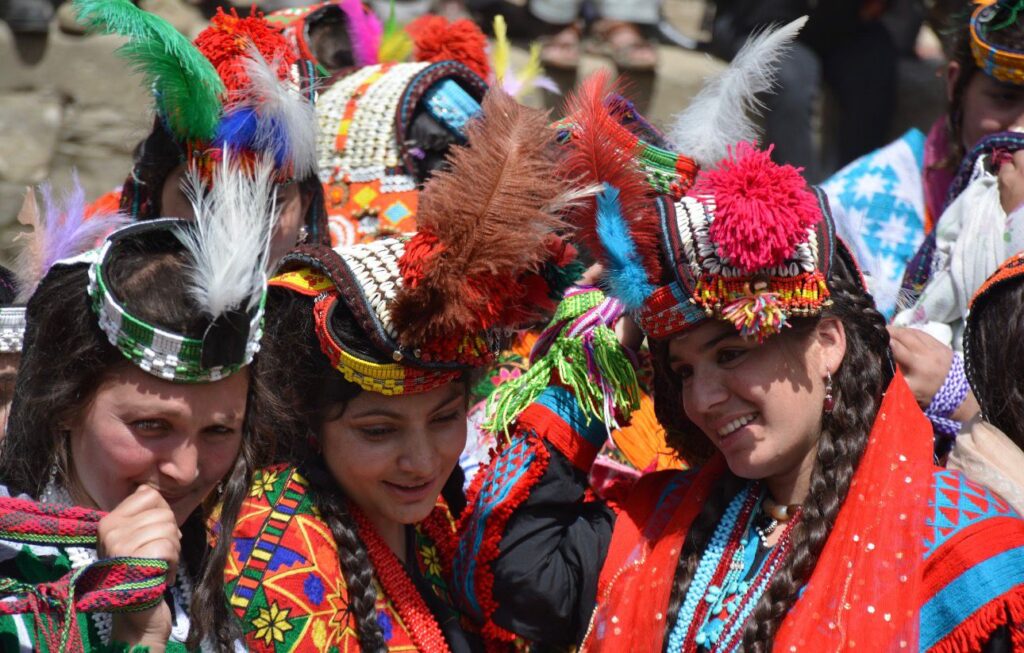
Nestled in the remote valleys of Bumburet, Rumbur, and Birir, the Kalasha tribe is one of Pakistan’s most unique indigenous communities. Famous for their vibrant clothing, colorful festivals, and ancient polytheistic beliefs, they are a living cultural treasure in the Hindu Kush mountains.
Population & Endangered Status
- Approximate population (2026): ~4,000–5,000
- Language: Kalasha, Khowar, Urdu
- Status: Considered endangered, their population is declining due to migration, intermarriage, and cultural assimilation.
Despite these challenges, the Kalash continue to preserve their identity, making them one of the world’s most intriguing small communities.
Chitrali Clothing — Warm, Elegant & Rooted in Mountain Life
Chitrali Pakol (Chitrali Cap)
One of the most iconic cultural symbols, the Chitrali Pakol is a woolen cap made from thick sheep wool.
- It is rolled at the edges and worn especially in winter.
- Shades vary from cream to brown and grey, depending on the type of wool.
- Locals say the cap represents “warmth and dignity,” and it is often gifted to guests as a sign of respect.
Woolen Shawls & Coats (Chugha)
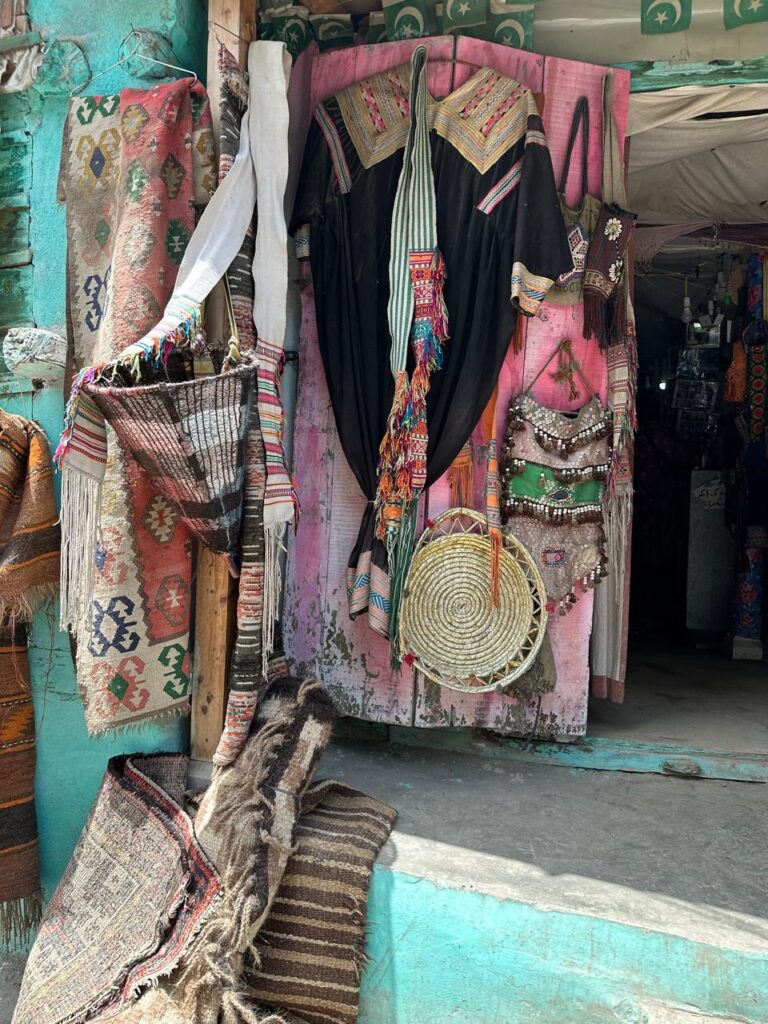
Due to the cold climate, Chitrali people traditionally wear handwoven woolen shawls, cloaks, and coats known as Chugha.
- These are soft, extremely warm, and take weeks to weave.
- Patterns are minimal but elegant, reflecting the mountainous simplicity of the region.
- Many families still use traditional wooden looms passed down for generations.
Chitrali Women’s Dress
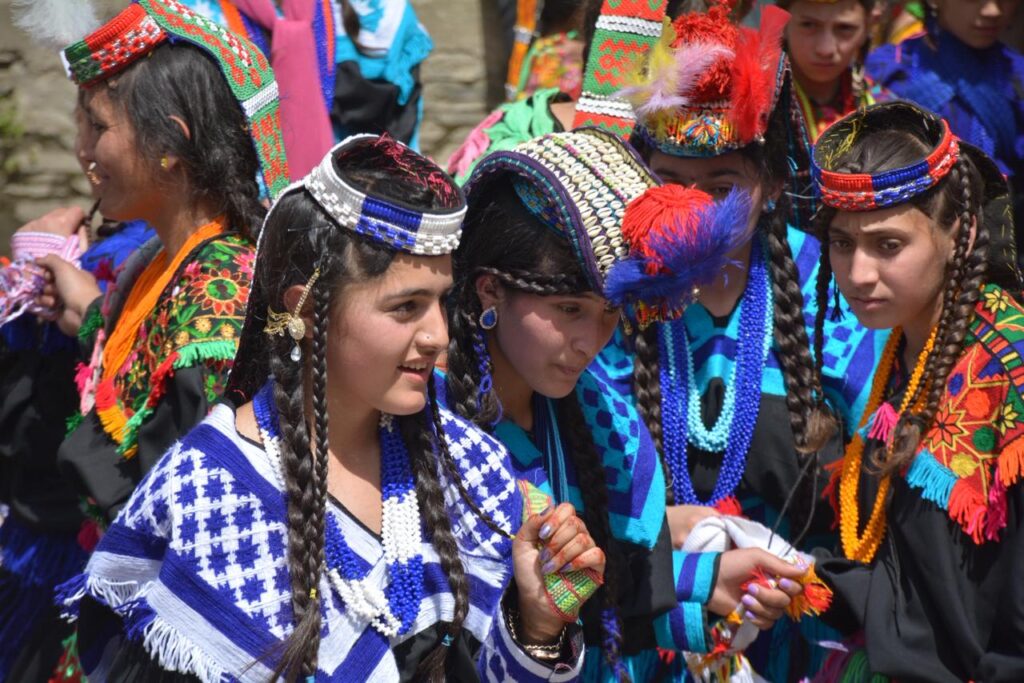
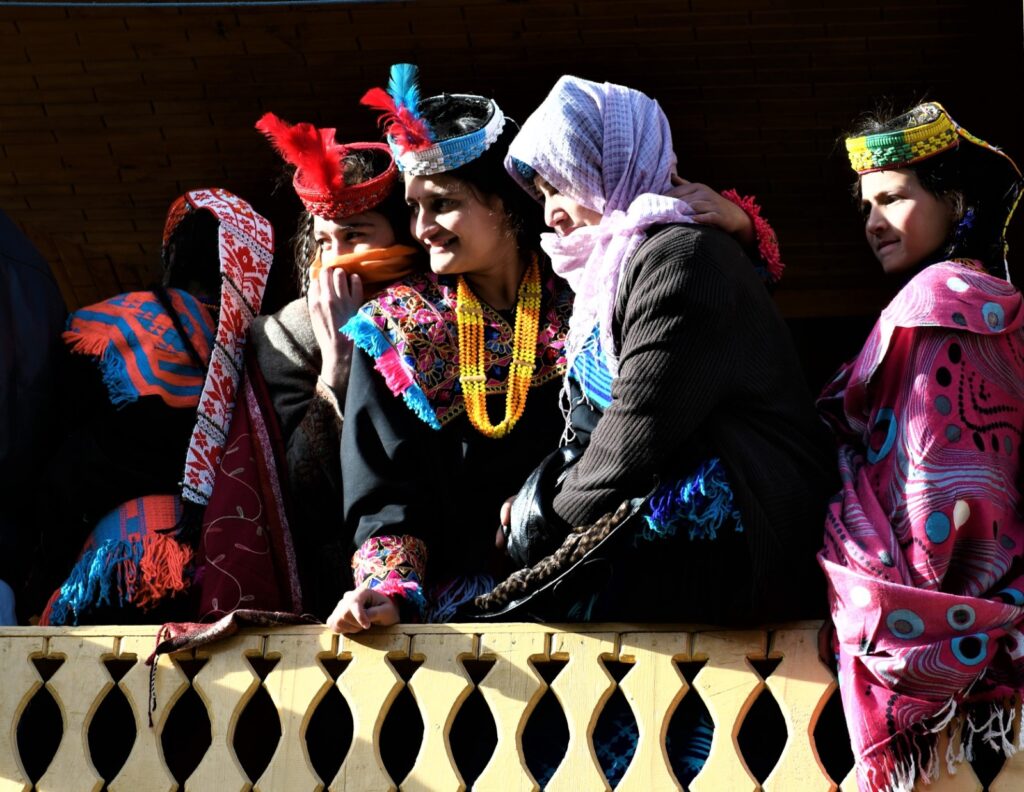
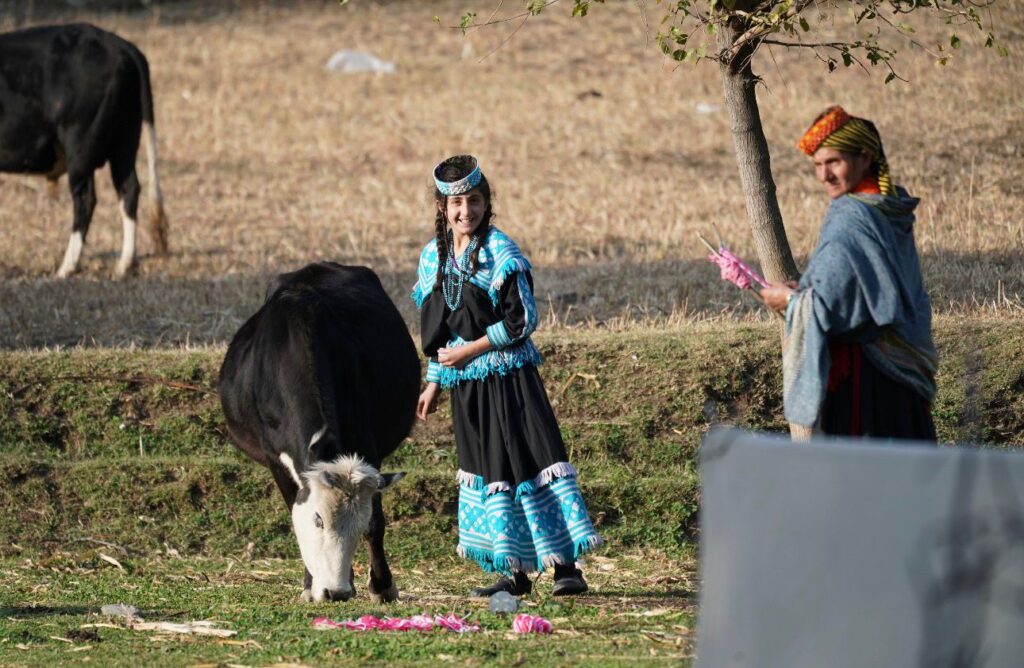
Women in Chitral wear long, flowing dresses often paired with embroidered vests and colorful scarves.
- Embroidery features geometric motifs inspired by nature, mountains, flowers, and flowing rivers.
- Jewelry is handcrafted using silver, beads, and stones sourced from local valleys.
- For celebrations, women wear brighter colors with heavier embroidery.
Religion & Spiritual Life
Chitral is known for its religious harmony. The majority are Muslim (Sunni and Ismaili), influenced by Sufi traditions. The Kalash practice an ancient polytheistic faith focused on nature, worshiping mountains, rivers, and ancestral spirits.
Festivals and eco-conscious rituals in 2026, especially by Kalash elders, link spirituality with conservation. Mosques and Kalash shrines coexist peacefully, making Chitral a model of tolerance.
Culture, Traditions & Festivals
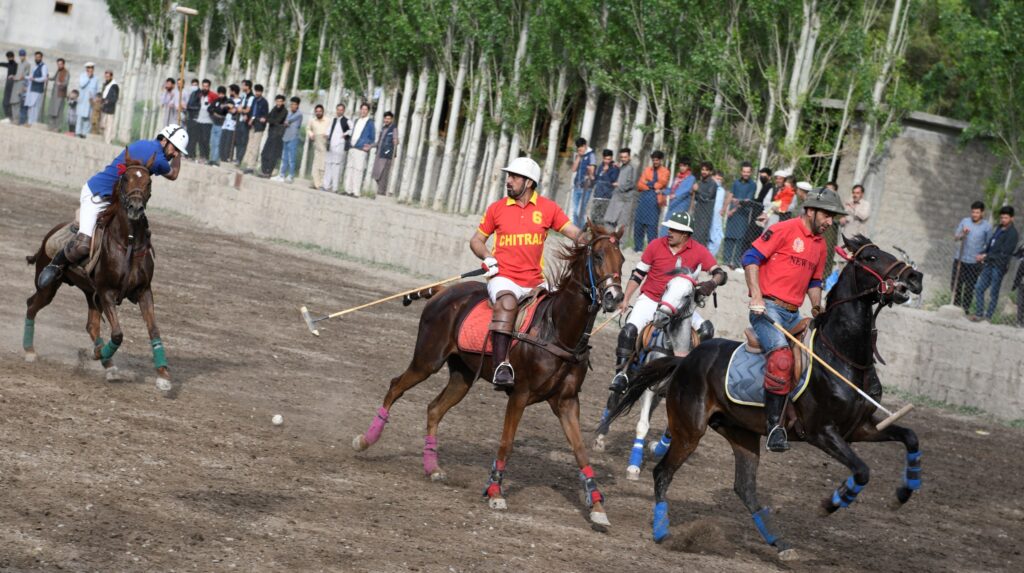
Chitral’s culture thrives in music, dance, handicrafts, and sports. The rubab is central to celebrations, and traditional embroidery or carved walnut crafts tell stories of heritage. Polo is more than a sport, it’s a cultural gathering.
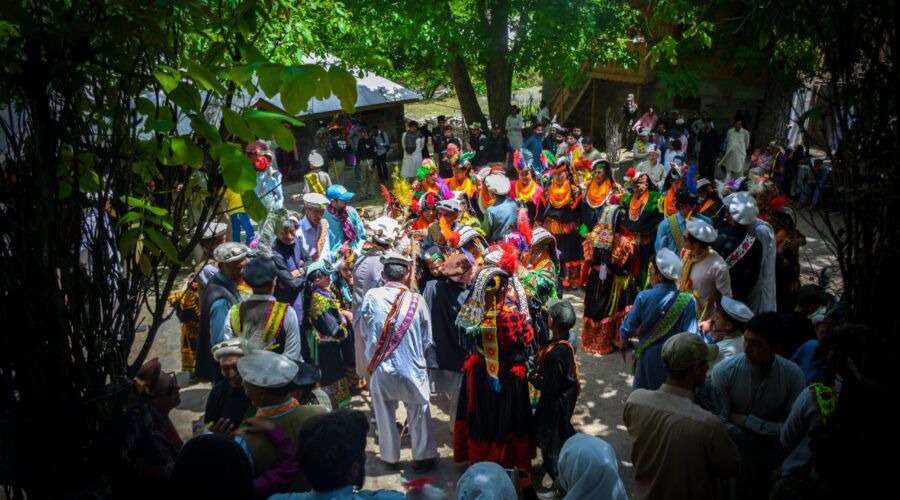
Kalash Valley festivals 2026: Dates & celebrations:
- Chilam Joshi (May 13–16): Spring festival, celebrating fertility and community.
- Uchal (Aug 20–22): Summer harvest festival with thanksgiving rituals.
- Chaumos (Dec 15–22): Winter solstice festival with fire rituals, singing, and dances.
- Shandur Polo Festival (early July): World-famous high-altitude polo with music, food, and celebration.
Famous Food & Street Eats — Taste of the Valleys
Chitral offers distinct northern Pakistani flavors:
- Chapli Kebab: Spiced minced meat patties, perfect with naan.
- Mumta & Diri: Rice and lentil dishes unique to Chitral’s culinary heritage.
- Apricot Jam & Dried Fruits: Fresh from local orchards, reflecting seasonal cycles.
- Green Tea & Ghalmandi Bread: Traditional beverages and breads for mornings.
- Channa Chaat: Tangy chickpea salads prepared by street vendors.
Food here is more about authentic flavors, aromas, and social experience than cost, meals are usually shared in homes, markets, or festival gatherings.
Places to Visit in Chitral & Kalash — Detailed Exploration

- Chitral Fort & Shahi Masjid: Iconic landmarks, rich in history and architecture.
- Garam Chashma Hot Springs: Relax in natural mineral waters surrounded by snow-capped peaks.
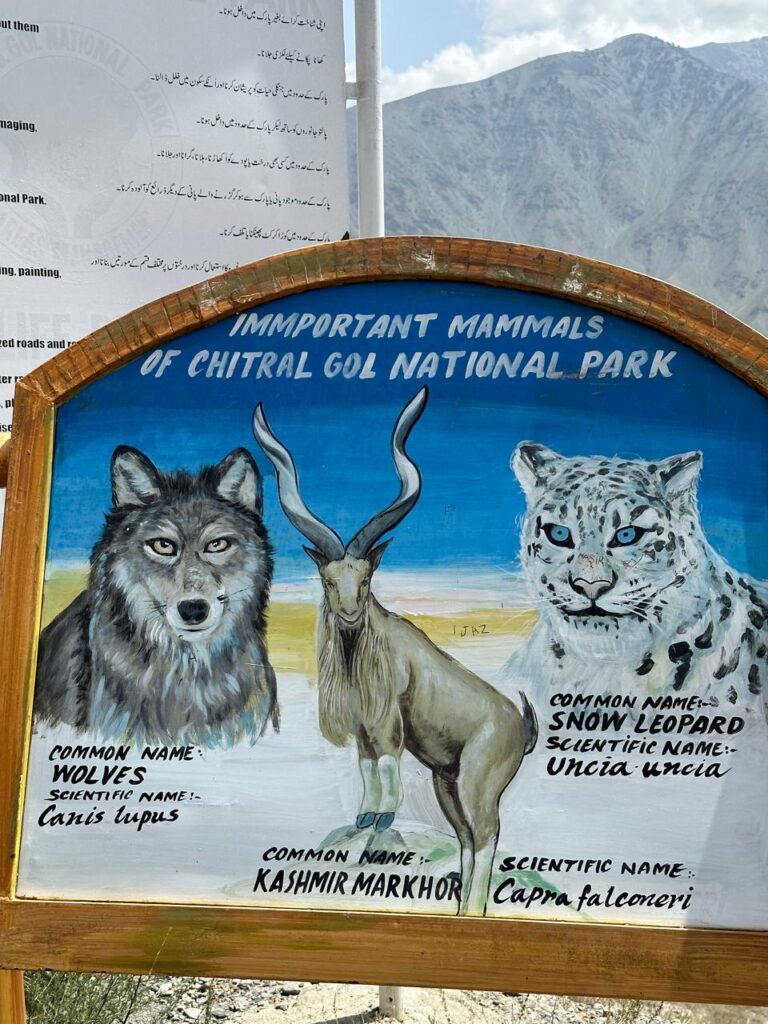
- Chitral Gol National Park: Explore forests with markhors, ibex, and even glimpses of snow leopards.
- Shandur Pass: World’s highest polo ground with panoramic views.
- Kalash Valleys:
- Bumburet: Most accessible, cultural immersion.
- Rumbur: Rich in traditions and festivals.
- Birir: Secluded, quiet, perfect for introspection and photography.
- Bumburet: Most accessible, cultural immersion.
Visitors experience treks, Visitors can enjoy treks, cultural walks, and photography tours, guided by local experts who provide insight into the region’s heritage and natural beauty.
Top Hidden Gems: Off-the-Beaten-Path Wonders
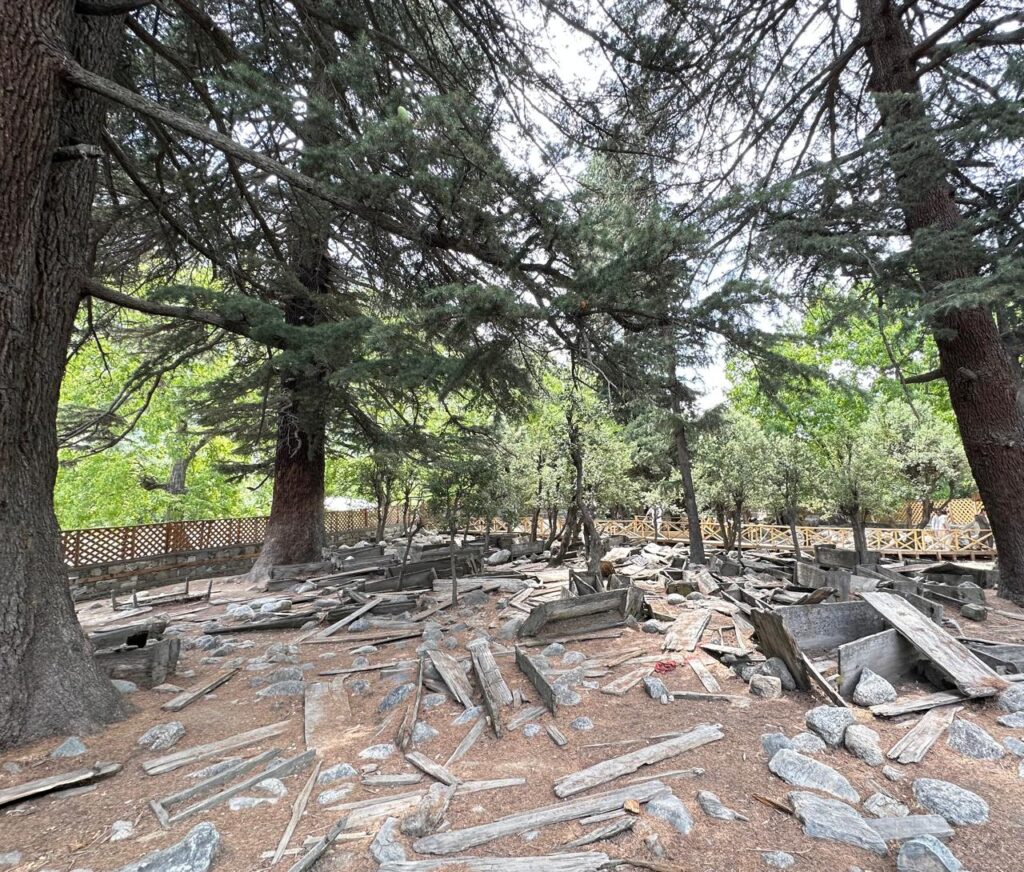


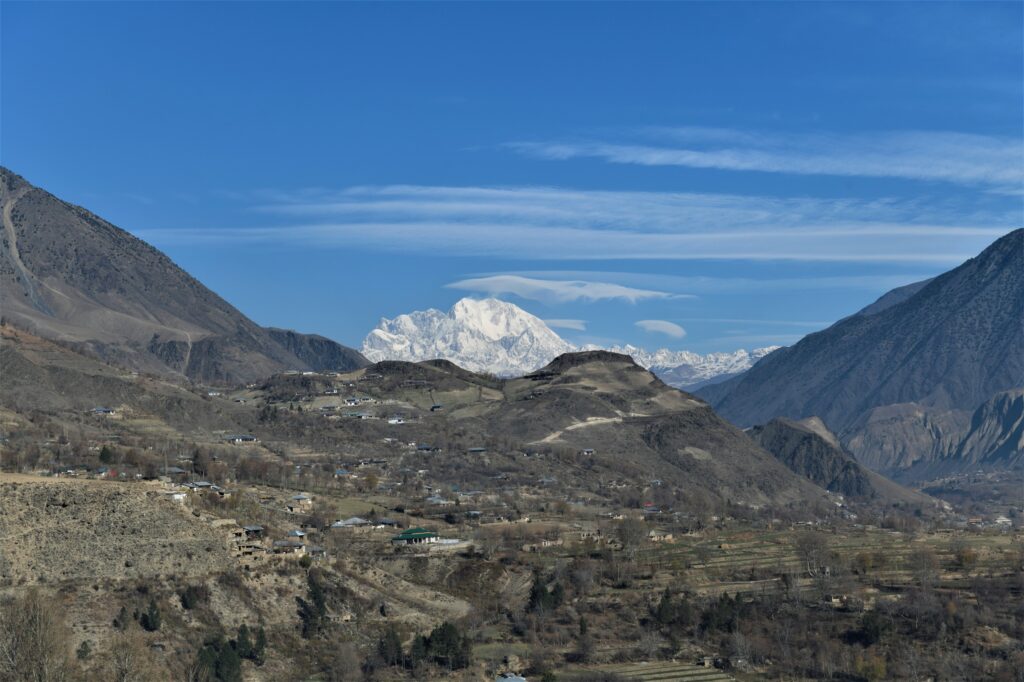
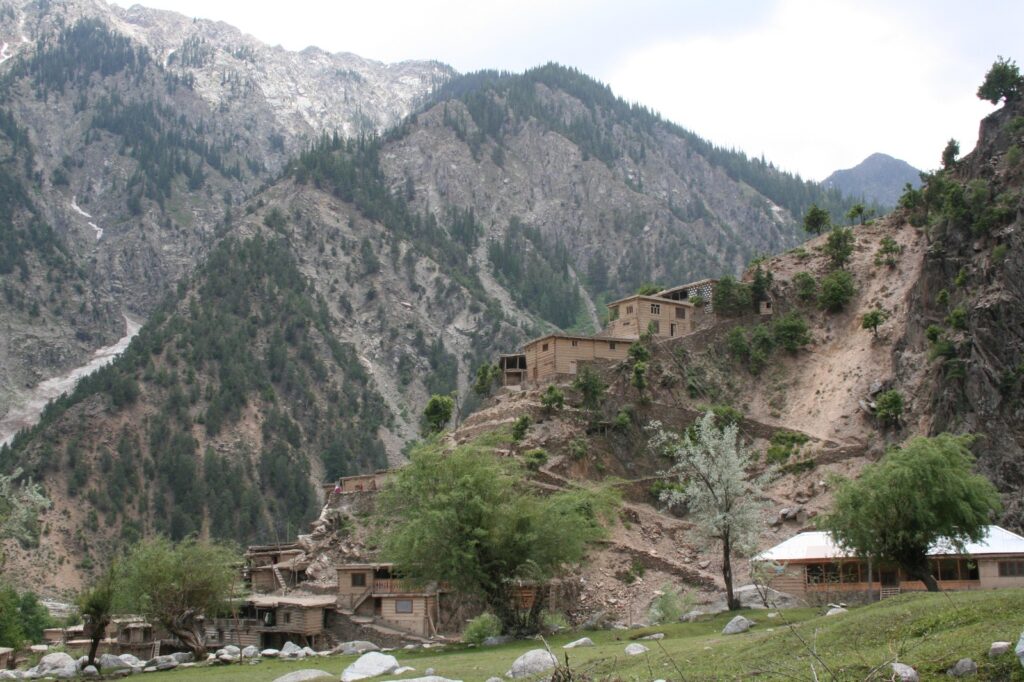
- Karambar Lake: A turquoise alpine lake at 4,272 m, approx. 2–3 day trek from Broghil Valley.
- Ayun Valley: Traditional craft villages; visitors can learn pottery, embroidery, and woodworking.
- Broghil Valley Eco-Resorts: New solar-powered tents and homestays, approx.
- Kalasha Cemetery: Offers a glimpse into the tribe’s unique traditions and reverence for ancestors, set against the serene valley backdrop.
These gems offer exclusive photography, trekking, and cultural experiences that are less crowded but rich in beauty and authenticity.
Cultural & Adventure Tours — Saiyah Travels Packages
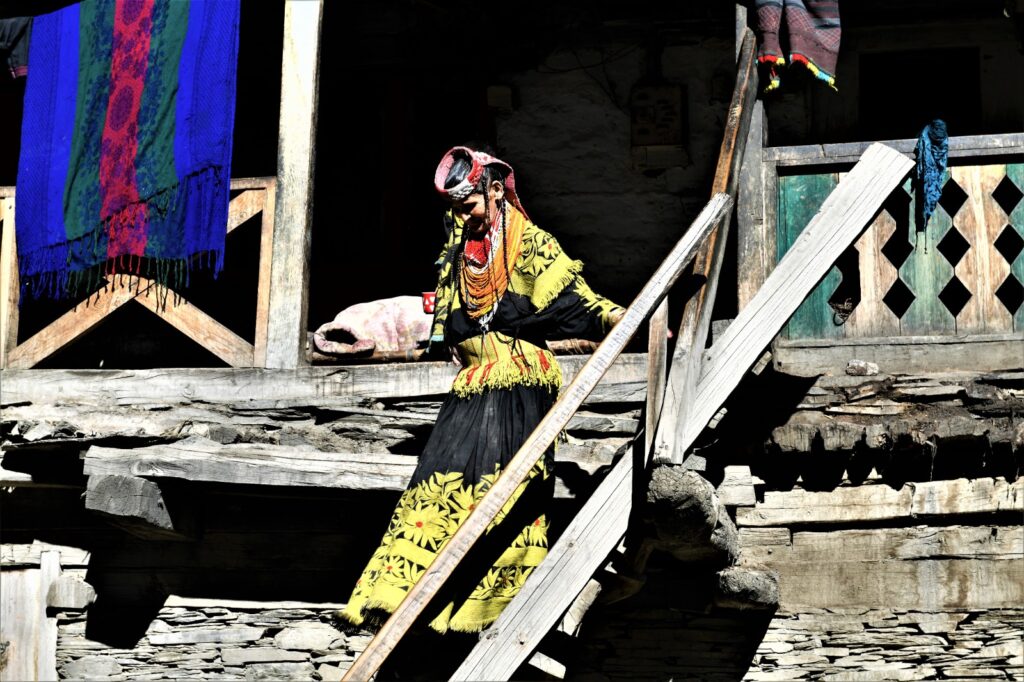
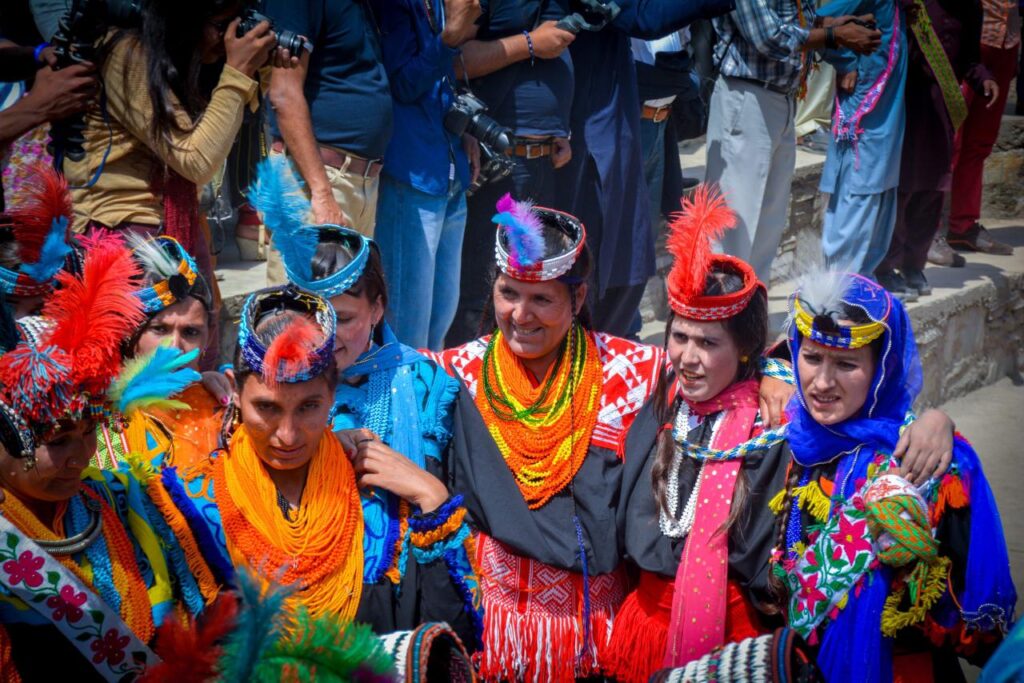
Saiyah Travels provides fully customized tours: honeymooners, families, or solo travelers can combine festivals, heritage walks, valley explorations, and adventure treks. Packages include private 4×4 vehicles, guides, accommodations, festival access, and hidden-gem add-ons.
Top Package: Chitral – The Enduring Spirit of the Kalash People
- 7 days inclusive of Chitral town, Kalash Valleys, Shandur Pass, and hidden gems.
- Cost per person or a group depends on accommodation level and inclusions.
- Private jeep rental, guided valley treks, and festival participation included in the package.
Contact us for detailed itinerary and cost.
Hotels & Accommodation in 2026
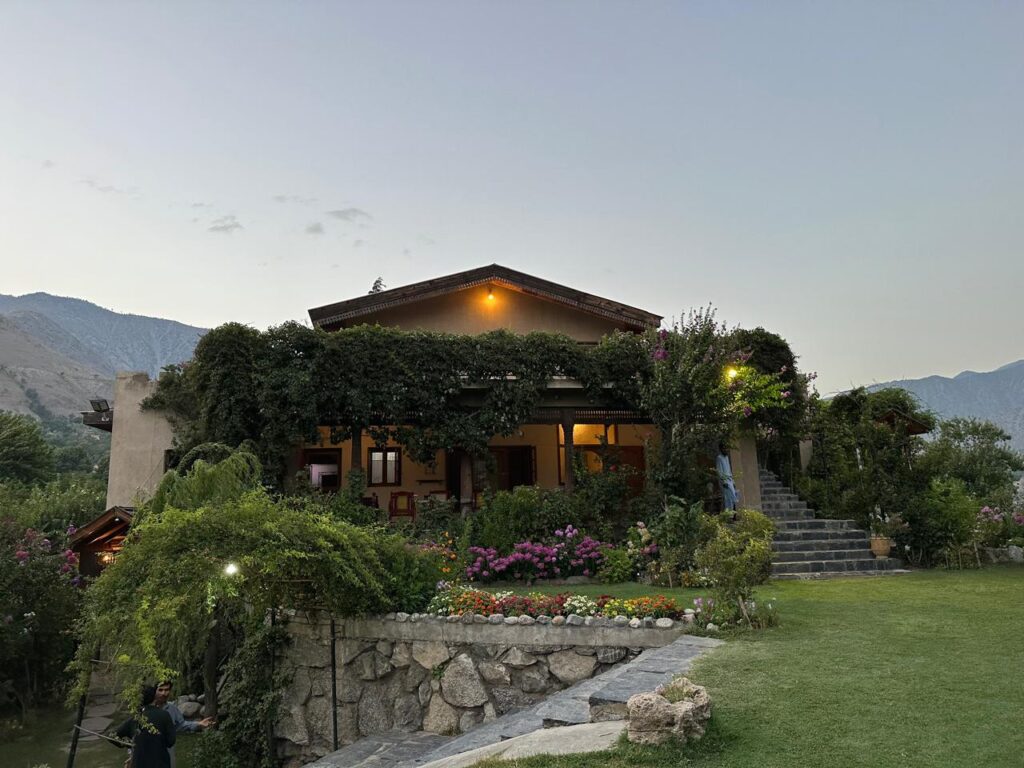
Chitral Town:
- Hindukush Heights: Premium hotel with eco-upgrades.
- Tirich Mir View Hotel: Scenic views.
- Pamir Riverside Inn: Mid-range comfort.
Kalash Valley:
- Kalash Home Lodges: Authentic family-run.
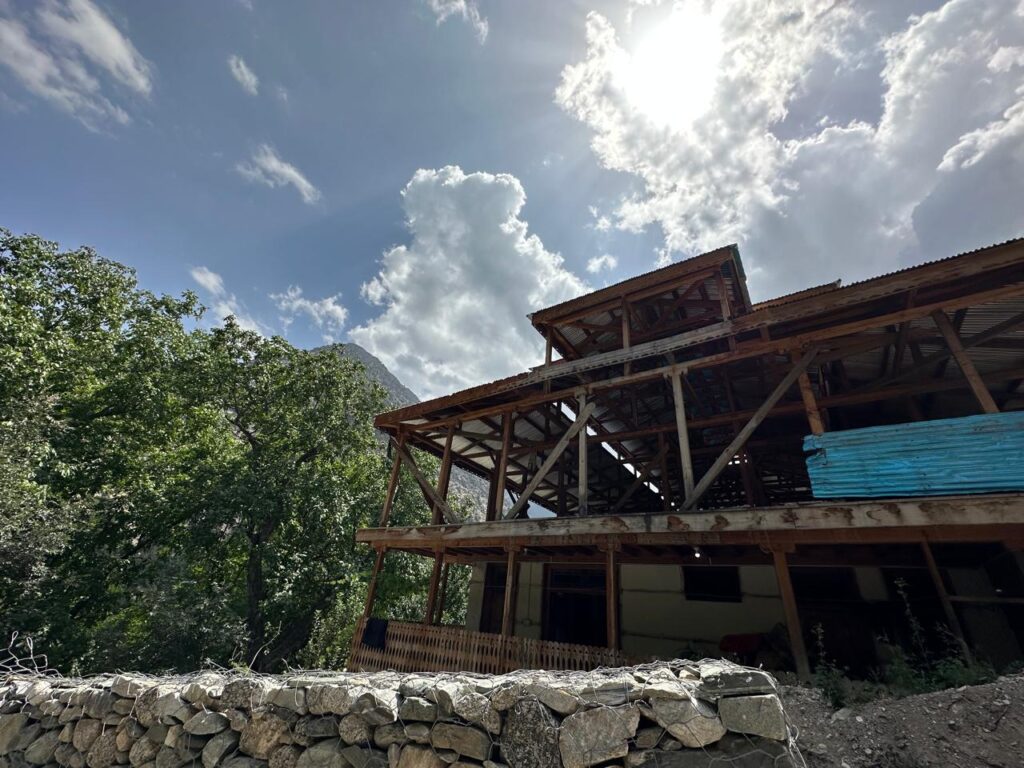
- Forest Valley House: Traditional lodgings.
Heritage Stays:
- Ayun Fort: Boutique heritage experience.
- Gahirat Castle: Boutique design, approx.
How to Plan Your Chitral & Kalash Valley Trip in 2026
For a 5–7 day trip including transport, accommodation, guided tours, and valley exploration, travelers can choose from:
- Budget trip: Basic accommodations and essential sightseeing.
- Mid-range trip: Comfortable accommodations with additional guided experiences and festival participation.
- Premium / honeymoon-focused trip: Private 4×4 transport, luxury stays, full festival access, and optional hidden-gem excursions.
Costs include: round-trip travel, local transport, accommodation, guides, entry permits, and festival access. Meals, personal shopping, and optional activities are extra.
Tips for Travelers
- Always carry warm layers; temperatures fluctuate rapidly.
- Ask permission before photographing Kalash people or sacred rituals.
- Carry cash; ATMs are limited outside Chitral town.
- Best months for travel:
- May–August for festivals and culture
- September–October for photography and autumn scenery
- December–February for snow and Chaumos Festival
- May–August for festivals and culture
- Book flights and accommodation well in advance during festival months.
Final Thoughts: Why Chitral Leaves a Mark
Chitral is more than a destination; it is a living story, a sensory experience, and a retreat for the soul. From tranquil rivers and snowy peaks to vibrant Kalash festivals and remote alpine meadows, the valley leaves a lasting imprint.
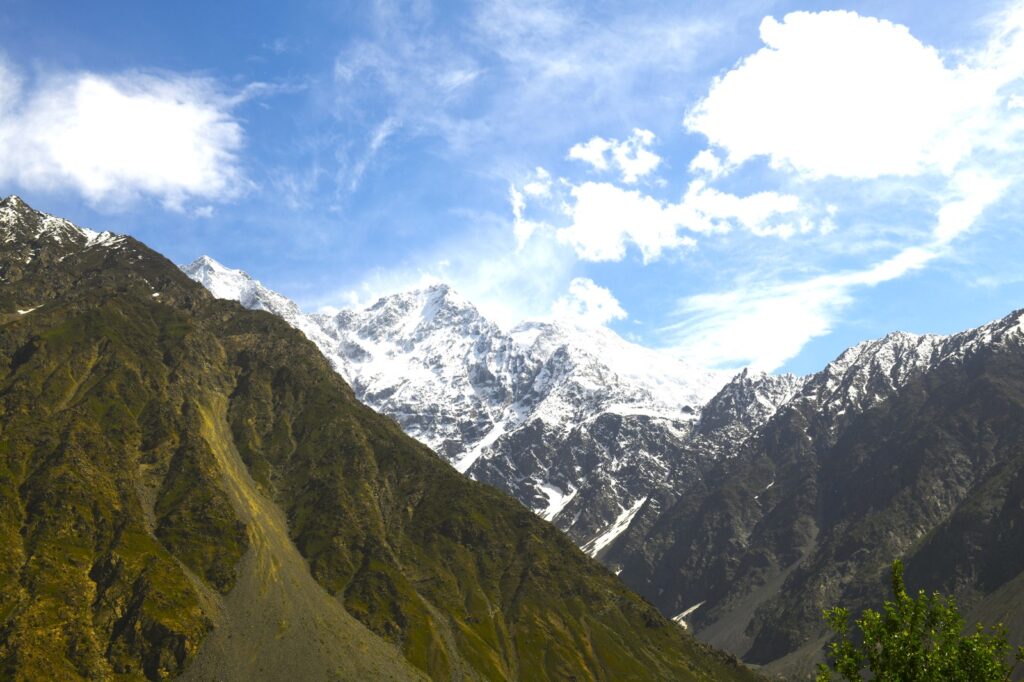
Every traveler departs with unique memories: quiet walks in orchards, the warmth of local hospitality, the thrill of high-altitude polo, and the majesty of hidden lakes and meadows. “I will return” is a common sentiment.
Ready to experience Chitral in 2026? Visit Saiyah Travels and craft your perfect journey.
Saiyah Travels runs small-group and fully private trips timed with every major festival, plus custom photography, honeymoon and trekking journeys.
All trips include 4×4 transport, experienced local guides, permits, festival access and hand-picked stays.
Drop your dates and group size in the contact form below and we’ll build your perfect 2026 adventure — no hard sell, just honest advice from people who live and breathe these valleys.
See you in the mountains!
Frequently Asked Questions about Chitral & Kalash Valley 2026
How long does it take to travel from Peshawar or Swat to Chitral?
From Peshawar, the journey is approx. 5–6 hours (200 km) by road. From Swat, it takes roughly 4 hours. Roads are scenic but mountainous, so travel times can vary depending on weather and traffic.
Which activities are best for adventure travelers in Chitral?
Adventure travelers can enjoy trekking to Karambar Lake, exploring Broghil Valley, high-altitude polo at Shandur Pass, river walks, and guided nature tours in Chitral Gol National Park.
What cultural experiences can I enjoy in Kalash Valley?
Visitors can attend Kalash festivals, participate in traditional dances, explore local craft workshops, visit family-run homes, and learn about polytheistic rituals and village life.
Are there local guides available for trekking and cultural tours?
Yes, local guides are available for dail. They provide cultural insights, safety guidance, and navigation through rugged trails in Chitral and Kalash Valleys.
Do I need special permits to visit remote areas like Broghil Valley?
Yes, some remote areas may require permits. Guided tours by companies like Saiyah Travels handle all permits, ensuring a smooth and legal visit to remote valleys and hidden gems.
What is the local currency and are ATMs available in Chitral?
The local currency is Pakistani Rupee (PKR). ATMs are limited outside Chitral town, so carrying cash for local markets, guides, and accommodations is recommended.
Can I see wildlife in Chitral Gol National Park?
Yes, Chitral Gol National Park is home to markhors, ibex, leopards, and various bird species. Guided tours increase your chances of spotting wildlife safely in its natural habitat.
How do I experience traditional Chitrali food and beverages?
You can try Chapli Kebab, Mumta & Diri, apricot jam, green tea with Ghalmandi bread, and Channa Chaat. Visiting local homes, markets, or festivals provides the most authentic culinary experience.
Are Chitral and Kalash Valley suitable for family travel?
Yes, the region is family-friendly with safe villages, guided tours, cultural activities, and accommodations ranging from homestays to luxury hotels. Festivals and nature excursions are enjoyable for all ages.
How can I book a customized tour with Saiyah Travels?
You can contact Saiyah Travels via their website or contact form, providing dates, group size, and preferences. Packages can be tailored for festivals, trekking, honeymoon, or photography trips in Chitral & Kalash Valley.
[…] Why Chitral is Perfect for Honeymooners […]
[…] Who Are the Chitrali and Kalasha People? […]