Is Pakistan safe for tourists? What should women wear? Where should you go on a first trip? How many days do you need, and what is travelling around the country actually like?
These are some of the most common questions foreign travelers ask before visiting Pakistan. They are understandable because Pakistan remains less familiar to international tourists than many destinations in Asia. Yet for travellers who do visit, the country offers an unusual combination of enormous mountain landscapes, ancient civilizations, historic cities, living cultures and famously warm hospitality.
Pakistan is home to K2, the world’s second-highest mountain, the Karakoram Highway, the Hunza Valley and the mountain landscapes of Baltistan, the ancient ruins of Moenjodaro and Taxila, and some of South Asia’s finest Mughal architecture. Its landscapes range from glaciers and 8,000-metre peaks to deserts, forests, alpine lakes and the Arabian Sea.
Just as importantly, Pakistan is not one uniform travel experience. Visiting Lahore is completely different from travelling through Hunza. A cultural tour of Islamabad and Taxila requires different planning from a trek in the Karakoram. Conditions, customs, climate and infrastructure can change considerably between regions.
This guide explains what foreign tourists should know before visiting Pakistan, including safety, the best places to visit, what to wear, Pakistani hospitality, transportation, food, money, internet access, the best time to travel and realistic first-time itineraries.
Why Visit Pakistan?
Pakistan is particularly rewarding for travellers who want more than conventional sightseeing.
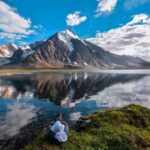
For adventure travellers, northern Pakistan contains some of the greatest mountain landscapes on Earth. The Karakoram, Himalaya and Hindu Kush dominate the north, creating opportunities for trekking, mountaineering, hiking, photography and spectacular road journeys.
For cultural travellers, Pakistan has thousands of years of history. Archaeological sites preserve the legacy of the Indus Valley Civilization, Gandhara and ancient Buddhist communities, while Lahore contains some of the finest surviving architecture of the Mughal period.
Food also changes significantly between regions. The cuisine of Lahore and Punjab is different from that of Peshawar, Hunza or Baltistan, while languages, clothing, architecture and local traditions vary as travellers move across the country.
This diversity allows visitors to build very different kinds of trips: a cultural tour of Lahore and Islamabad, a road journey along the Karakoram Highway, a trekking expedition in Baltistan, a photography tour during autumn in Hunza, or a combination of history and mountains.
Pakistan Tourism: Facts That Surprise First-Time Visitors

Pakistan’s geography gives it an extraordinary position in world adventure tourism.
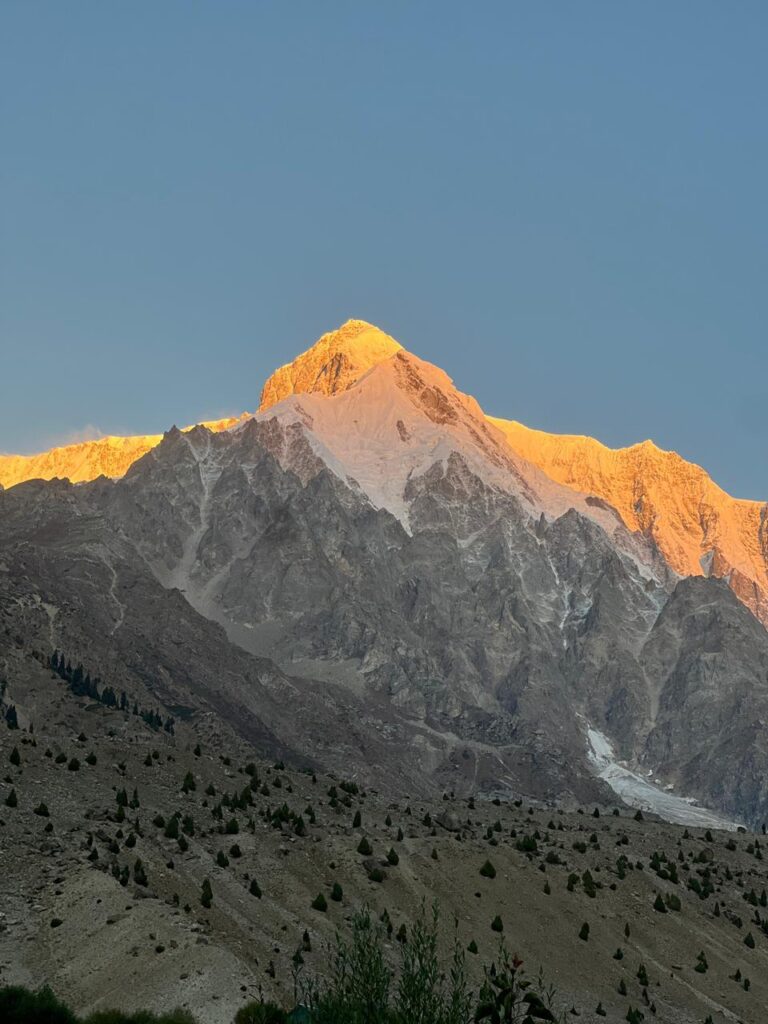
Pakistan is home to five of the world’s fourteen 8,000-metre peaks: K2, Nanga Parbat, Gasherbrum I, Broad Peak and Gasherbrum II.
The five peaks are:
- K2 – 8,611 metres
- Nanga Parbat – 8,126 metres
- Gasherbrum I – 8,080 metres
- Broad Peak – 8,051 metres
- Gasherbrum II – 8,035 metres
K2 is the second-highest mountain on Earth.
Pakistan also contains extensive glacier systems in the Karakoram, including the famous Baltoro and Biafo glaciers. These landscapes have made northern Pakistan an important destination for international mountaineers and high-altitude trekkers.
The country’s cultural heritage is equally significant. UNESCO currently lists six World Heritage properties in Pakistan and 37 additional properties on Pakistan’s Tentative List.
Pakistan’s six UNESCO World Heritage properties are:
- Archaeological Ruins at Moenjodaro
- Taxila
- Buddhist Ruins of Takht-i-Bahi and Neighbouring City Remains at Sahr-i-Bahlol
- Fort and Shalamar Gardens in Lahore
- Historical Monuments at Makli, Thatta
- Rohtas Fort
The Tentative List expands the picture considerably. It includes places such as Baltit Fort, Deosai National Park, Central Karakorum National Park, the Salt Range and Khewra Salt Mine, the Kalasha Valley Cultural Landscape, and Derawar and the Desert Forts of Cholistan, among many other archaeological, natural and historic sites.
This is an important part of understanding Pakistan as a tourism destination: its international appeal is not limited to mountains. Archaeology, Buddhist heritage, Mughal architecture, historic forts, ancient trade routes and living cultural landscapes can all form part of a journey.
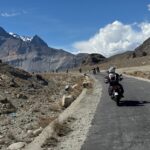
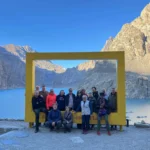
Another remarkable attraction is the Karakoram Highway, which travels through Gilgit-Baltistan towards China. For tourists, the highway is much more than transportation: it provides access to some of Pakistan’s most famous mountain landscapes, including Hunza, Attabad Lake, Gulmit and Passu.
Pakistani Hospitality: What Foreign Visitors Can Expect
One of the strongest impressions many travellers take home from Pakistan is the hospitality.
Guests have an important place in Pakistani culture. Foreign visitors may find themselves being offered tea, food or help after what began as a simple conversation.
These encounters are particularly memorable in smaller communities, where tourism can feel much more personal than in heavily commercialized destinations.
Hospitality does not mean travellers should abandon normal judgement when interacting with strangers. It simply means that genuine friendliness and curiosity towards visitors are common parts of the travel experience.
Learning a few basic Urdu expressions is useful:
- Assalam-o-Alaikum – Hello / peace be upon you
- Shukriya – Thank you
- Meherbani – Kindness / favour
- Theek hai – Okay / that’s fine
English is commonly used within Pakistan’s tourism industry and is understood by many people in major cities and established tourist destinations. Communication can be more difficult in remote communities, where travelling with a local guide may be helpful.
Best Places to Visit in Pakistan for Foreign Tourists
A first-time visitor should normally select a few regions rather than attempting to cover the entire country.
Hunza Valley
Hunza is one of the best-known destinations in northern Pakistan and an excellent introduction to Gilgit-Baltistan.
The valley combines mountain scenery with historic settlements, local culture and relatively well-developed tourism services.
a very different northern landscape.
The region combines mountains, rivers, lakes and high-altitude deserts, while historic settlements such as Shigar and Khaplu add an important cultural dimension.
Popular attractions include Upper Kachura Lake, Shigar Fort, Khaplu, the Cold Desert and Deosai National Park.
Skardu is also the main logistical gateway for expeditions and treks towards the Central Karakoram, including Baltoro Glacier, Concordia and K2 Base Camp.
Islamabad
For many foreign travellers, Islamabad is the most convenient starting point for a Pakistan journey.
The capital is green, relatively spacious and situated beside the Margalla Hills. Attractions include Faisal Mosque, Pakistan Monument, Lok Virsa Museum and the Margalla Hills.
Islamabad also provides convenient access to Taxila and is a major departure point for domestic flights and road journeys into northern Pakistan.
Lahore
Travellers who visit only the mountains see just one side of Pakistan.
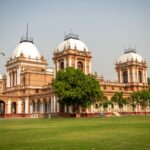
Lahore is one of the country’s most important cultural destinations and contains outstanding Mughal architecture, historic neighbourhoods, bazaars and a celebrated food culture.
Major attractions include Lahore Fort, Badshahi Mosque, Wazir Khan Mosque, Shalimar Gardens and the Walled City of Lahore.
Lahore has historically been described as the “Paris of the East,” a cultural nickname rather than an official title. More importantly for travellers, Lahore provides an excellent introduction to Pakistan’s history, cuisine, architecture and urban cuPopular attractions include Baltit Fort, Altit Fort, Duikar, Attabad Lake, Gulmit, Passu, Hussaini Suspension Bridge and Khunjerab Pass.
Hunza is beautiful at different times of year. Spring brings blossoms to the valley, summer provides easier access to higher areas, and autumn transforms the trees into shades of gold, yellow and orange.
Skardu and Baltistan
Skardu provides access tolture.
For a first visit, combining Lahore with northern Pakistan provides a much broader understanding of the country than visiting either region alone.
Taxila
Taxila is one of the easiest major archaeological sites to combine with a stay in Islamabad.
Its archaeological remains document several historical periods and provide important evidence of the region’s Gandharan and Buddhist past.
For travellers interested in history, Taxila demonstrates how Pakistan’s heritage extends far beyond its better-known Islamic and Mughal monuments.
Is Pakistan Safe for Foreign Tourists?
Pakistan is a large country, and security conditions should be considered region by region rather than through a single nationwide assumption.
Established tourism destinations such as Islamabad, Hunza and Skardu receive both domestic and international visitors and have hotels, guides, tour operators and transportation services accustomed to tourism.
Other regions, particularly some border or remote areas, may be subject to different security conditions, government requirements or foreign travel advisories.
There is therefore no responsible answer to the question “Which part of Pakistan is safest?” that remains universally correct.
Hunza, Skardu and Islamabad are among the country’s established destinations for international tourism. Before finalizing an itinerary, travellers should review the latest information relevant to the specific regions they intend to visit, particularly when travelling beyond the main tourism routes.
Visitors travelling into remote areas may also benefit from working with an experienced local operator familiar with current regional conditions and procedures.
The practical approach is simple: research the actual places you intend to visit rather than treating every part of Pakistan as though conditions are identical.
What Should Female Tourists Wear in Pakistan?

Pakistan is generally a modest society, although dress and social customs vary between major cities, mountain communities and rural areas.
Foreign female tourists are not required to wear traditional Pakistani clothing.
For most sightseeing, loose trousers, long skirts, longer shirts or tunics and clothing covering the shoulders are practical choices.
A lightweight scarf is useful because women may need or wish to cover their heads when entering mosques and certain religious sites. During ordinary sightseeing, foreign women generally do not need to cover their hair.
Many travellers choose to buy a shalwar kameez, Pakistan’s traditional combination of a longer shirt and loose trousers. It is comfortable, practical and widely available.
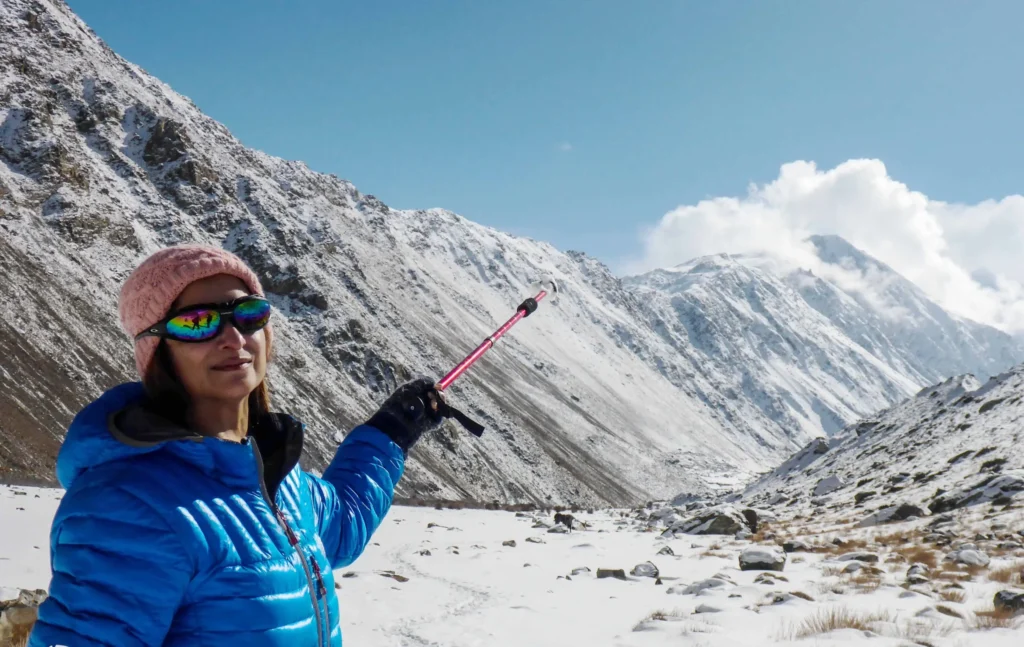
For northern Pakistan, clothing should also be chosen according to altitude rather than culture alone. Temperatures can change considerably between daytime and evening, so layers, a warm outer layer and comfortable walking shoes are useful.
Best Time to Visit Pakistan

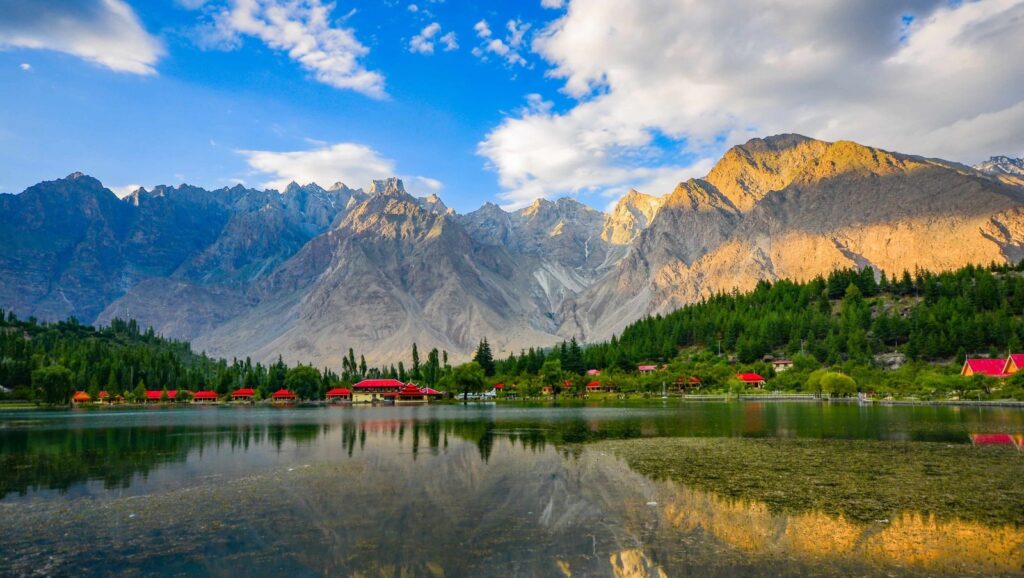
The best time to visit Pakistan depends heavily on the region.
Spring: March to May
Spring is an attractive period for cultural travel and for visiting parts of northern Pakistan.
Hunza and Baltistan are particularly beautiful during blossom season, when apricot, cherry and other fruit trees flower against the mountain landscape.
Summer: June to August
Summer is the main season for high-altitude trekking, mountaineering and access to many remote northern areas.
Lower-altitude cities can become very hot, so itineraries during this period often concentrate on Gilgit-Baltistan and other mountain regions.
Autumn: September to November
Autumn is one of the best seasons for photography in northern Pakistan.
Hunza, Nagar and parts of Baltistan become covered in autumn colours, creating a striking contrast with the surrounding mountains.
Winter: December to February
Winter provides snow landscapes and fewer visitors in the north, although access to high-altitude areas can become limited.
Cooler temperatures can make winter particularly suitable for exploring Lahore and other destinations in the plains.
Getting Around Pakistan: Transportation Guide for Tourists
Transport depends on the region.
Between major cities in the plains, travellers can use domestic flights, trains, buses or private vehicles.
For northern Pakistan, domestic flights can significantly reduce travel time. Flights operate between Islamabad and destinations including Skardu and Gilgit, although mountain weather can occasionally affect schedules.
Road travel remains an important part of northern itineraries. Private vehicles are particularly useful because they allow travellers to stop at villages, viewpoints and attractions along the route.
Distances in the mountains can be deceptive. A journey that appears short on a map may take several hours because roads follow valleys, rivers and mountainous terrain.
This is why a realistic Pakistan itinerary should include some flexibility.
The Karakoram Highway: One of Pakistan’s Great Road Journeys
The Karakoram Highway is one of the highlights of travelling through northern Pakistan.
The route connects Pakistan and China through Gilgit-Baltistan and reaches Khunjerab Pass on the international border.
For tourists, some of the most memorable sections pass through Hunza and Upper Hunza, providing access to Attabad Lake, Gulmit, Passu and the landscapes surrounding Khunjerab.
The journey itself is part of the attraction. Rivers, glaciers, enormous mountain walls and small settlements appear throughout the route.
Travellers interested in photography and road journeys should consider the Karakoram Highway an experience rather than simply a way of reaching another destination.
Food and Drinking Water in Pakistan


Pakistani cuisine varies considerably between regions.
Lahore and Punjab are known for rich curries, barbecue, kebabs, karahi, biryani, pulao, naan and traditional breakfasts.
Peshawar has its own strong food culture, particularly around grilled meats and chapli kebab.
In northern Pakistan, cuisine reflects the colder climate and local agricultural traditions. Travellers encounter different breads, soups, meat dishes, dried fruits and regional recipes.
Visitors should drink bottled or properly filtered water and use normal precautions when trying unfamiliar street food, particularly during the first few days of their trip.
Dietary requirements should be communicated to hotels, guides or tour operators in advance, especially when travelling into remote areas where choices may be more limited.
Money, Cards and Travel Costs
Pakistan uses the Pakistani Rupee (PKR).
Cards are accepted by many larger hotels, restaurants and businesses in major cities, but travellers should not rely entirely on electronic payments.
Cash remains important in mountain valleys, local bazaars, small restaurants, guesthouses and remote destinations.
ATMs are available in major cities and larger towns but may be less dependable in remote areas. It is sensible to withdraw enough cash before travelling deep into northern Pakistan.
Pakistan can offer good value for international visitors, but the total cost of a trip varies considerably. Private transportation, domestic flights, higher-standard hotels and specialist trekking logistics can increase the budget significantly.
SIM Cards, Wi-Fi and Internet Access
Mobile internet is available across Pakistan’s major cities and many established tourism destinations, but coverage becomes less predictable in remote valleys and mountain areas.
Hotels in major tourist centres often provide Wi-Fi, although speed and reliability vary considerably.
Before entering remote regions, download offline maps, hotel details, tickets, important telephone numbers and copies of travel documents.
Visitors who need continuous connectivity for work should not assume that every part of a northern itinerary will have reliable internet access.
Trekking and Adventure Travel in Pakistan

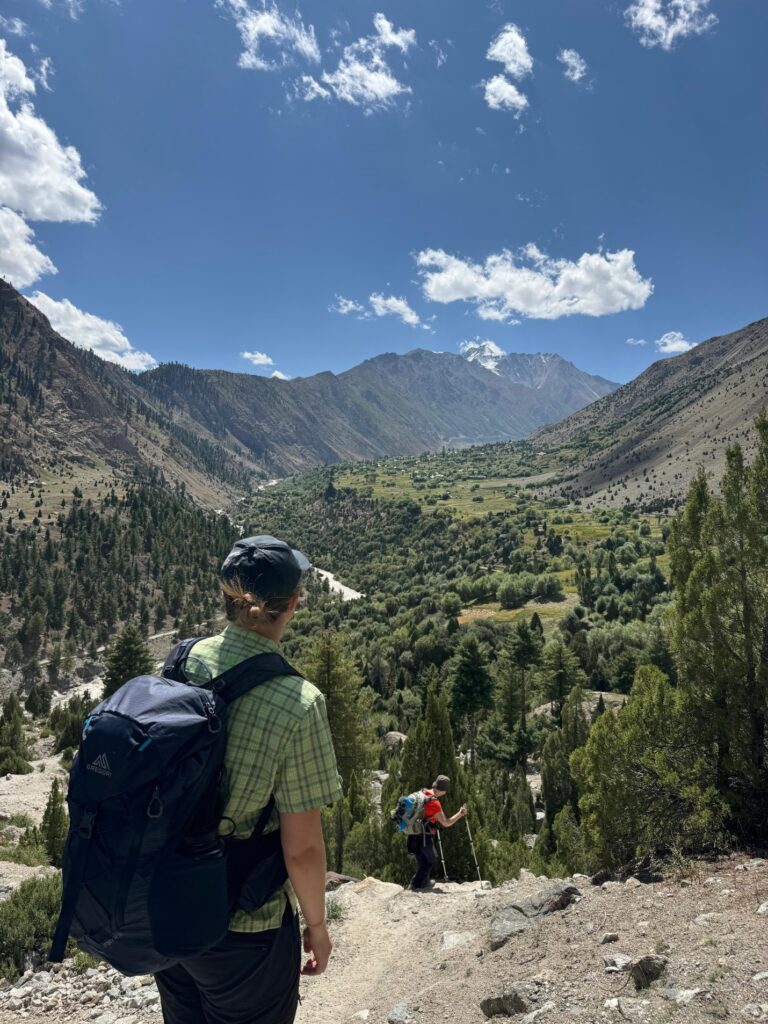
Pakistan is one of the world’s major high-altitude adventure destinations.
The Karakoram contains famous trekking and mountaineering areas including Baltoro Glacier, Concordia and K2 Base Camp, while Nanga Parbat, Fairy Meadows, Shimshal and other regions offer additional trekking opportunities.
Not every visitor needs expedition-level experience.
Northern Pakistan also has shorter hikes, village walks, jeep excursions and viewpoints suitable for travellers who want mountain scenery without undertaking a major trek.
High-altitude routes require appropriate preparation, equipment and acclimatization. Certain trekking and mountaineering areas can also involve permits and specialist logistics.
Travellers planning serious trekking should use an operator experienced in the specific route rather than treating it like an ordinary sightseeing excursion.
Pakistani Culture and Travel Etiquette
Pakistan is an Islamic country with considerable regional cultural diversity.
Visitors should dress modestly at religious sites, remove their shoes where required and follow local instructions concerning photography and access.
During Ramadan, restaurant schedules and daily routines can change.
Always ask before taking close photographs of people, particularly women and individuals in conservative communities. Photography of military facilities, checkpoints and other sensitive infrastructure should be avoided.
Foreign tourists are not expected to understand every Pakistani custom before arriving. Basic politeness, cultural awareness and willingness to ask when unsure are usually more important.
Two Practical First-Time Pakistan Itineraries
One of the biggest mistakes first-time visitors make is attempting to cover too much territory.
Pakistan is large, and northern road journeys require time. A focused itinerary generally produces a better experience.
10–12 Days: Islamabad, Hunza and the Karakoram Highway
A realistic first journey focused on Hunza could include:
- Islamabad – 2 days: Faisal Mosque, Pakistan Monument, Margalla Hills and preparation for the northern journey.
- Gilgit and Hunza – 4 to 5 days: Altit Fort, Baltit Fort, Duikar, local villages and surrounding mountain scenery.
- Attabad Lake, Gulmit and Passu – 2 days: Upper Hunza, Passu Cones and nearby attractions.
- Khunjerab excursion – 1 day: subject to seasonal access and current conditions.
- Islamabad – 1 buffer day: useful before an international departure.
10–14 Days: Islamabad, Skardu and Baltistan
A Baltistan-focused journey could include:
- Islamabad – 2 days
- Skardu – 3 to 4 days: Kachura, local attractions and surrounding landscapes.
- Shigar – 1 to 2 days: heritage, villages and access towards the Central Karakoram.
- Khaplu – 2 days: historic architecture, local culture and mountain scenery.
- Deosai or additional Skardu excursions – 1 to 2 days: depending on season and accessibility.
- Islamabad – 1 buffer day
Travellers who want to include Lahore should ideally add several more days rather than trying to squeeze the city into either itinerary.
These are planning frameworks rather than fixed tours. Weather, season, road conditions, flight schedules and personal interests should determine the final route.
Essential Pakistan Travel Advice Before You Go
Before travelling to Pakistan, foreign visitors should confirm their current visa and entry requirements, passport validity and travel insurance coverage.
Travellers planning high-altitude trekking should check whether their insurance covers the elevation and activities involved.
For northern journeys, monitor weather, road conditions and domestic flight schedules. Keeping some flexibility in the itinerary is particularly important when travelling by air to or from mountain destinations.
It is also sensible to review official travel information for your nationality before departure, as entry guidance and regional recommendations can change.
Keep digital and offline copies of important documents, carry sufficient cash when travelling remotely, and avoid scheduling an international departure immediately after a weather-dependent mountain connection where possible.
Why Pakistan Often Surprises Foreign Visitors
Pakistan’s mountains and historical sites can be researched before arriving. The human side of the journey is more difficult to understand until you experience it.
Foreign visitors frequently encounter people who are curious about where they have travelled from and interested in sharing something about their own country.
Sometimes that means a conversation in a bazaar. Sometimes it means tea in a village. Sometimes it is simply someone offering directions or assistance.
These interactions are not guaranteed, and every traveller’s experience is different. But hospitality remains an important part of Pakistani culture and contributes greatly to the character of travelling through the country.
International tourism infrastructure is less developed in some parts of Pakistan than in more established Asian tourism destinations. Travellers may therefore encounter fewer standardized services, more variable road conditions and less predictable connectivity in remote areas.
For many visitors, this requires additional planning. It can also make the experience feel more closely connected to the places and communities being visited.
Final Thoughts: Is Pakistan Worth Visiting?
For travellers interested in mountains, history, culture, photography and adventure, Pakistan offers an unusually broad range of experiences.
Northern Pakistan contains some of the world’s greatest mountain landscapes. Lahore provides outstanding Mughal architecture and food culture. Taxila and other archaeological sites reveal civilizations stretching back thousands of years, while the Karakoram Highway offers one of Asia’s most memorable road journeys.
Pakistan also rewards travellers who allow enough time for the journey itself. Rather than attempting to see the entire country in one visit, choose the regions that best match your interests and explore them properly.
Prepare for the practical realities of mountain travel, respect local customs, check current regional advice and remain flexible when weather or road conditions affect plans.
For travelers who value cultural encounters, history, adventure and dramatic landscapes, Pakistan can be an exceptionally rewarding destination, and one that often feels very different from what first-time visitors expected before arriving.
Planning Your First Trip to Pakistan?
Planning your first journey can be much easier when the route is built around your actual travel dates, interests and available time.
Tell us when you want to travel, how many days you have and what interests you most, and our team can help design an itinerary around your priorities.
Saiyah can arrange:
- Private and tailor-made Pakistan tours
- Airport transfers
- Private transportation and experienced drivers
- Hotels and heritage accommodation
- Local guides
- Hunza and Karakoram Highway tours
- Skardu and Baltistan journeys
- Lahore and cultural tours
- Trekking and mountain expeditions
- Photography tours
- Multi-region Pakistan itineraries
Whether you have ten days for Hunza, two weeks for Baltistan, want to combine Lahore with the mountains or are planning a major Karakoram trek, Saiyah can help coordinate the journey from arrival to departure.
Frequently Asked Questions About Visiting Pakistan
Is Pakistan safe for tourists?
Conditions vary across Pakistan, so travellers should consider the specific destinations on their itinerary rather than applying one assessment to the entire country. Established tourism destinations such as Islamabad, Hunza and Skardu receive international visitors, while some other regions may have different requirements or restrictions. Check up-to-date information when planning your route.
What should female tourists wear in Pakistan?
Modest, comfortable clothing is recommended. Loose trousers, long skirts, longer shirts and clothing covering the shoulders are suitable for most situations. Carrying a scarf is useful for mosques and religious sites.
Do women need to cover their hair in Pakistan?
Foreign women generally do not need to cover their hair during ordinary sightseeing. A head covering may be appropriate or required when entering certain mosques and religious sites.
What is the best time to visit Pakistan?
Spring and autumn are excellent for sightseeing and photography in northern Pakistan, while summer is the main season for high-altitude trekking and mountaineering. Cooler months are generally more comfortable for exploring Lahore and other destinations in the plains.
How many days are enough for Pakistan?
Around 10 to 14 days is a good starting point for a first trip focused on one or two regions. Travellers combining Lahore, Islamabad and several destinations in Gilgit-Baltistan should allow more time.
Is English spoken in Pakistan?
English is commonly understood in hotels, tourism businesses and major cities. Communication can be more limited in remote areas, where a local guide may be helpful.
Can foreigners visit Hunza and Skardu?
Hunza and Skardu are two of Pakistan’s main northern tourism destinations and regularly form part of international itineraries. Visitors should nevertheless check current regional advice and seasonal conditions when planning their journey.
Is Pakistan expensive for foreign tourists?
Pakistan can offer good value, but costs vary significantly. Private vehicles, domestic flights, higher-standard accommodation, guides and trekking logistics can make specialist itineraries considerably more expensive than independent city travel.
Can tourists use credit cards in Pakistan?
Cards are accepted at many larger hotels, restaurants and businesses in major cities, but cash remains important in smaller towns and remote mountain regions.
Is Pakistan good for solo travellers?
Independent travel is possible in many established destinations. A local guide or operator can be particularly useful for remote mountain areas, complex transportation and travellers unfamiliar with regional conditions.
What currency is used in Pakistan?
The official currency is the Pakistani Rupee (PKR). Travellers should carry some cash, particularly when visiting remote destinations where card payments and ATMs may not always be available.