
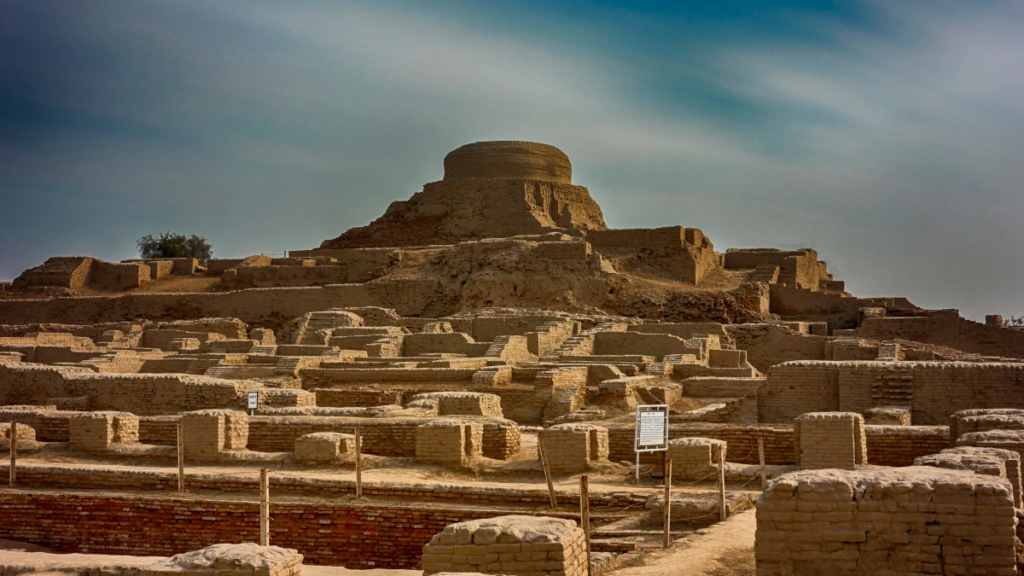
A Complete Mohenjo-daro Guide 2026–2027 | Exploring the Indus Valley Civilization
Across the world, travelers grow up fascinated by the pyramids of Giza Pyramid Complex and the legendary ruins of the Roman Forum. These iconic sites represent powerful civilizations that shaped early human history.
But there is another ancient city, equally remarkable and far older than many people realize, that rarely appears in mainstream travel conversations.
Welcome to Mohenjo-daro, one of the most fascinating archaeological sites in the world and a crown jewel of the Indus Valley Civilization.
Located in the Sindh province of Pakistan, Mohenjo-daro dates back to around 2500 BCE, meaning this city flourished more than 4,500 years ago.
At a time when Egypt was building pyramids for its pharaohs, Mohenjo-daro was developing something equally impressive but very different:
a carefully planned city designed for everyday life.
Walking through the ruins today reveals features that feel surprisingly modern:
- Grid-planned streets resembling modern urban layouts
- Covered drainage and sewer systems centuries ahead of their time
- Public bathing complexes long before Roman baths became famous
- Organized neighborhoods with wells, courtyards, and standardized bricks
According to UNESCO, Mohenjo-daro represents one of the earliest sophisticated urban centers in human history.
Archaeologists estimate that the city once supported 35,000–40,000 residents, making it one of the largest cities of its time.
For travelers interested in ancient cities older than the pyramids, Mohenjo-daro offers something extraordinary: the chance to walk through a civilization that thrived thousands of years before many famous ancient landmarks.
The Mystery of Mohenjo-daro: A Civilization Still Full of Secrets
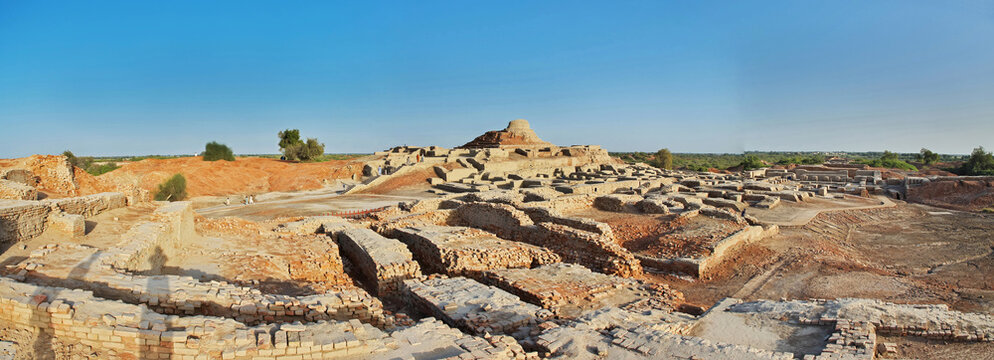
Despite more than a century of archaeological research, Mohenjo-daro remains one of the most mysterious ancient cities in the world.
Unlike ancient Egypt or Rome, historians still cannot fully understand how the people of the Indus Valley Civilization governed their society or what language they spoke.
One of the biggest puzzles is the Indus script, a system of symbols found on seals, pottery, and artifacts across the civilization. Researchers have discovered thousands of inscriptions, yet the script remains undeciphered.
Because of this, many fundamental questions remain unanswered:
- Who ruled the city, if anyone ruled it at all?
- What religious beliefs guided daily life?
- Why did such a sophisticated civilization suddenly decline around 1900 BCE?
Archaeologists have proposed several theories, including:
- Climate change and shifting river systems
- Environmental pressures and flooding
- Changes in regional trade networks
However, no single explanation has been confirmed.
This mystery is part of what makes Mohenjo-daro so fascinating. Every excavation and new discovery brings historians closer to understanding a civilization that thrived more than 4,500 years ago.
Even today, researchers continue to study artifacts and city layouts to uncover clues about how this ancient society functioned.
For visitors walking through the ruins, that sense of mystery adds another layer to the experience. You are not just exploring an ancient city, you are stepping into a chapter of human history that is still being discovered.
Hidden Wonder of the Ancient World: Mohenjo-daro
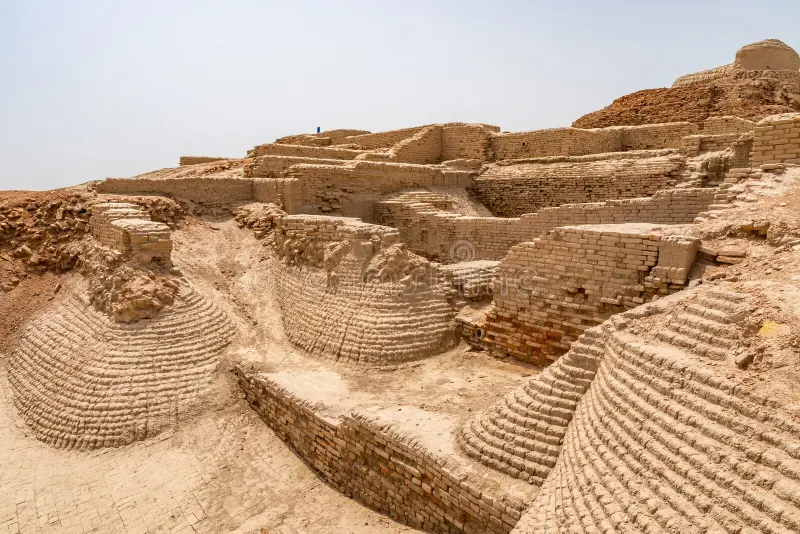
Mohenjo-daro is not just another archaeological site. It is one of the earliest examples of urban planning, sanitation systems, and organized city life.
Here are a few quick facts that make it remarkable:
- Founded around 2500 BCE
- One of the largest cities of the Indus Valley Civilization
- A UNESCO World Heritage Site since 1980
- One of the earliest cities with planned streets and sewage systems
- Built with standardized baked bricks
Did you know?
The name “Mohenjo-daro” means “Mound of the Dead” in the Sindhi language.
Despite the name, the site once represented a thriving metropolis filled with merchants, craftsmen, and families.
The Indus Valley Civilization: One of the World’s Earliest Urban Societies
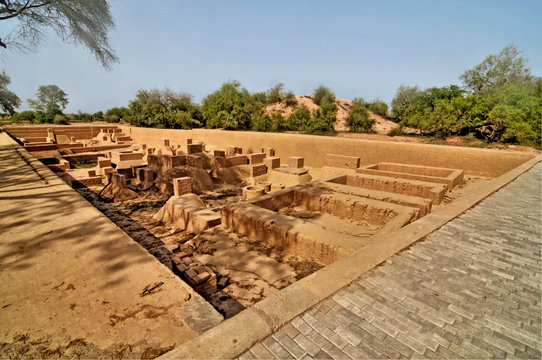
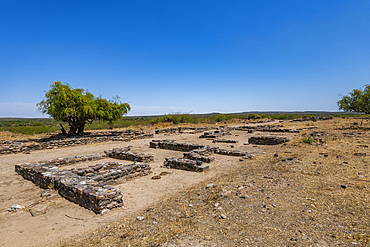
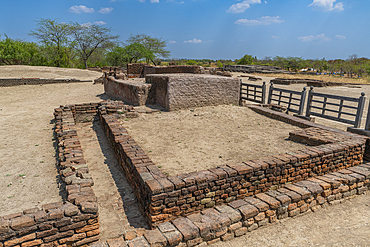
To understand Mohenjo-daro, it is important to understand the Indus Valley Civilization.
This ancient civilization flourished between 3300 BCE and 1300 BCE and covered a massive region across modern Pakistan and parts of India and Afghanistan.
Major Indus cities included:
- Harappa
- Dholavira
- Lothal
During its peak (2600–1900 BCE), the civilization was known for:
- Urban planning
- Trade networks
- Craft industries
- Standardized weights and measurements
Evidence suggests the Indus civilization traded with Mesopotamia, where records refer to a distant trading land called Meluhha.
Unlike ancient Egypt, however, archaeologists have not found massive royal tombs or monuments here. Instead, civilization seems to have prioritized functional cities and infrastructure.
Mohenjo-daro vs Egypt and Rome: A Surprising Comparison
One of the best ways to appreciate Mohenjo-daro is by comparing it with other famous ancient civilizations.
| Feature | Mohenjo-daro | Ancient Egypt | Ancient Rome |
| Time Period | 2500–1700 BCE | 2686–2181 BCE | 753 BCE–476 CE |
| Urban Planning | Grid-based streets | Settlements along Nile | Planned cities later |
| Engineering | Covered drainage, wells | Monumental pyramids | Aqueducts and roads |
| Society | No palaces or kings evident | Pharaoh-centered | Imperial hierarchy |
| Infrastructure | Public baths, sanitation | Temples and tombs | Public bathhouses |
One of the most fascinating differences is the absence of massive royal monuments in Mohenjo-daro.
While Egypt celebrated powerful rulers with pyramids, the Indus civilization appears to have focused on creating efficient, livable cities.
This makes Mohenjo-daro unique among ancient civilizations.
Walking Through Mohenjo-daro: Key Attractions and Highlights
Exploring Mohenjo-daro today feels like stepping into a time capsule.
Here are the most important places to see when visiting the site.
The Great Bath
The Great Bath is the most iconic structure in Mohenjo-daro.
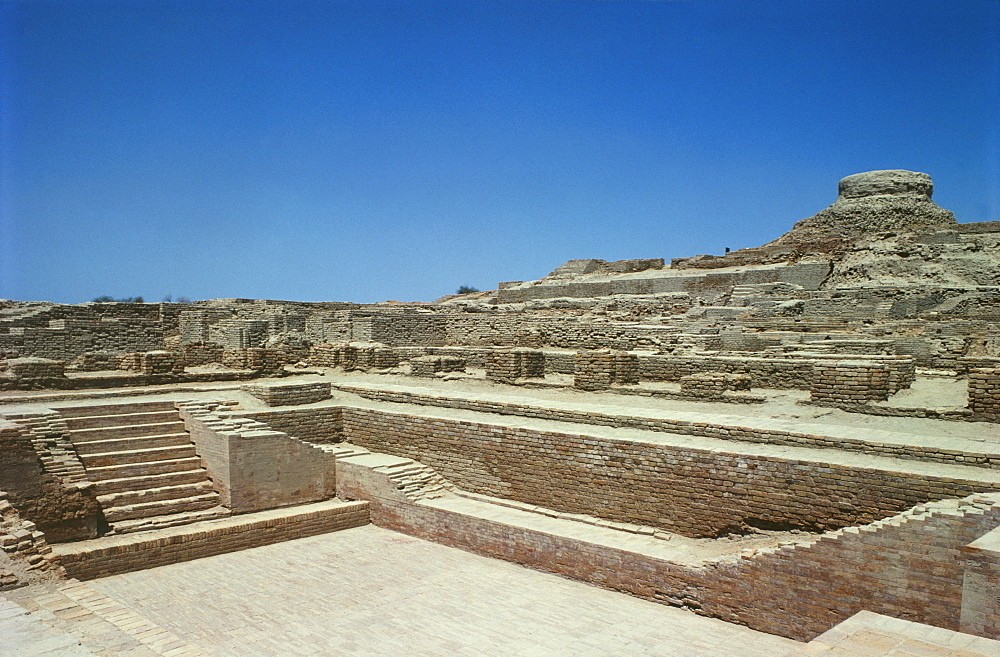
This large brick pool was likely used for ritual purification ceremonies.
Features include:
- Waterproof brick construction
- Bitumen sealing to prevent leaks
- Staircases leading into the pool
- Surrounding rooms for changing or rituals
Many historians compare the Great Bath to early versions of the Roman bathhouses, although it predates them by nearly 2,000 years.
The Citadel
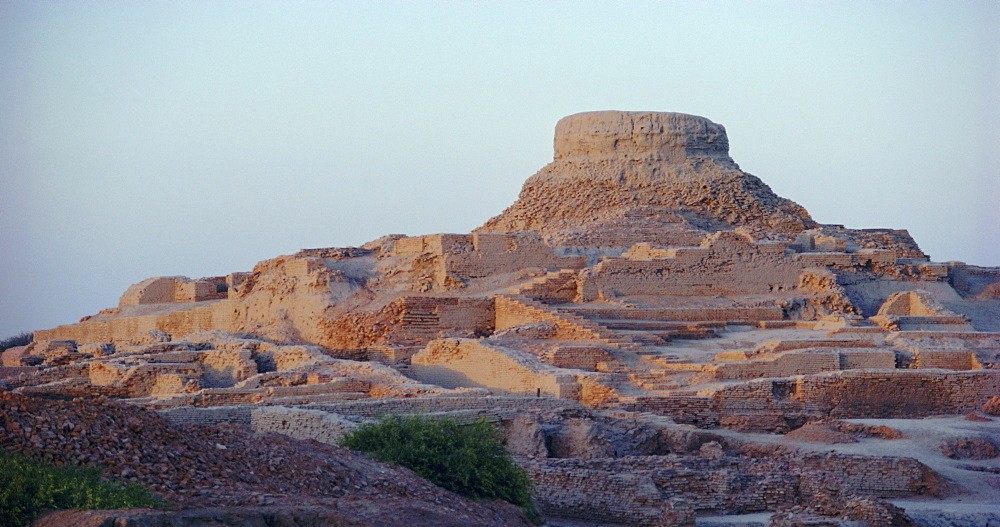
The Citadel mound rises above the rest of the city and likely served as a public or administrative center.
Here visitors can see:
- Assembly halls
- Public buildings
- Granaries
- The Great Bath
This elevated area suggests that important civic activities took place here.
Residential Neighborhoods
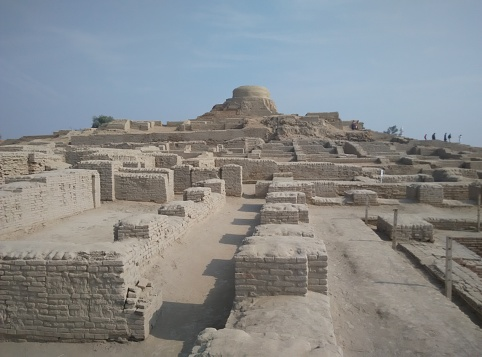
The lower city provides a glimpse into daily life thousands of years ago.
Homes often included:
- Courtyards for ventilation
- Indoor bathing areas
- Private wells
- Staircases to upper floors
Many houses connected to the city’s drainage system, showing how advanced urban planning was even in the Bronze Age.
The Ancient Drainage System
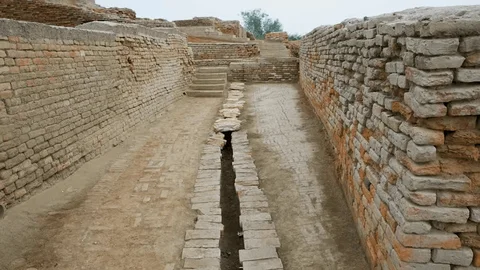
Perhaps the most impressive feature of Mohenjo-daro is its sanitation infrastructure.
The city included:
- Covered street drains
- Household wastewater channels
- Inspection chambers for maintenance
According to archaeological studies referenced by National Geographic Society, the Indus Valley Civilization developed one of the earliest known urban sanitation systems in the world.
The Priest-King Statue
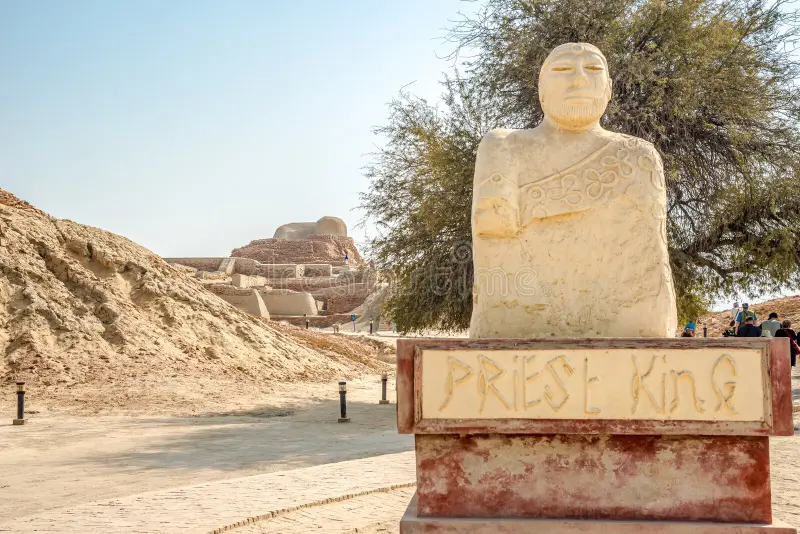
One of the most famous artifacts discovered at the site is the Priest-King statue.
This small sculpture shows a dignified figure wearing a patterned robe and headband.
Interestingly, archaeologists still debate whether the figure represents a priest, ruler, or symbolic leader.
This mystery highlights how much remains unknown about the Indus civilization.
Practical Travel Tips
If you plan to visit Mohenjo-daro, consider these tips:
Packing Essentials
- Sun hat and sunscreen
- Comfortable walking shoes
- Lightweight modest clothing
- Reusable water bottle
- Camera for photography
The Sindh region can be hot, so staying hydrated is important.
Ready to Step Back 4,500 Years? Discover Mohenjo-daro with Saiyah
Mohenjo-daro offers something rare in modern travel:
the chance to walk through one of the world’s earliest cities and experience the legacy of a civilization that shaped human history.
Standing among the ancient brick streets, it becomes clear that urban life, planning, sanitation, community spaces, was already thriving here thousands of years ago.
For travelers interested in ancient Pakistan sites, archaeology, and world history, Mohenjo-daro is an unforgettable destination.
Saiyah Travels offers guided cultural tours designed to help travelers explore Pakistan’s heritage safely and comfortably.
These experiences can include:
- Sindh heritage tours
- Mohenjo-daro day trips
- Multi-city cultural journeys including Lahore and Bahawalpur
Contact us to learn more and plan your next historical adventure.
Frequently Asked Questions About Mohenjo-daro
Is Mohenjo-daro older than the Egyptian pyramids?
Mohenjo-daro dates back to around 2500 BCE and developed during the same era as the Great Pyramid of Giza. It is part of the Indus Valley Civilization and represents one of the earliest planned cities in human history.
What makes Mohenjo-daro one of the most advanced ancient cities?
Mohenjo-daro featured grid-based streets, standardized baked bricks, indoor bathing areas, and covered drainage systems. These urban planning features were highly advanced for the Bronze Age and appeared thousands of years before similar infrastructure in many other civilizations.
Why is Mohenjo-daro considered important in world history?
Mohenjo-daro is one of the most significant archaeological sites of the Indus Valley Civilization. It demonstrates early examples of urban planning, sanitation systems, and organized city life dating back more than 4,500 years.
Where is Mohenjo-daro located today?
Mohenjo-daro is located in the Sindh province of Pakistan near the city of Larkana. The site lies along the Indus River and is recognized as a UNESCO World Heritage Site.
How big was the city of Mohenjo-daro?
Archaeologists estimate that Mohenjo-daro once had a population of around 35,000 to 40,000 people, making it one of the largest cities of the Bronze Age.
What are the most famous structures in Mohenjo-daro?
The most famous structures include the Great Bath, the Citadel mound, residential neighborhoods, ancient drainage systems, and artifacts like the Priest-King statue.
Why did the Indus Valley Civilization disappear?
Historians believe the civilization declined due to environmental changes, shifting river systems, and possible climate changes around 1900 BCE, though the exact reason remains debated.
Can tourists visit Mohenjo-daro today?
Yes, Mohenjo-daro is open to visitors and is one of Pakistan’s most important historical and archaeological destinations. Guided tours help travelers explore the site and understand its historical significance.
How does Mohenjo-daro compare to ancient Rome and Egypt?
Unlike Egypt, which focused on monumental pyramids, Mohenjo-daro focused on urban planning and sanitation. It also predates many Roman engineering achievements such as organized drainage and public bath systems.
What is the best time to visit Mohenjo-daro in Pakistan?
The best time to visit Mohenjo-daro is between October and March when temperatures in Sindh are cooler and comfortable for exploring archaeological ruins.


[…] Archaeological Ruins at Moenjodaro […]
[…] Difference Between Harappa and Mohenjo-daro […]
[…] 7. Mohenjo-daro: Where Pakistan’s Story Began […]