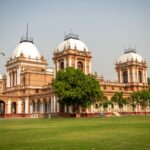
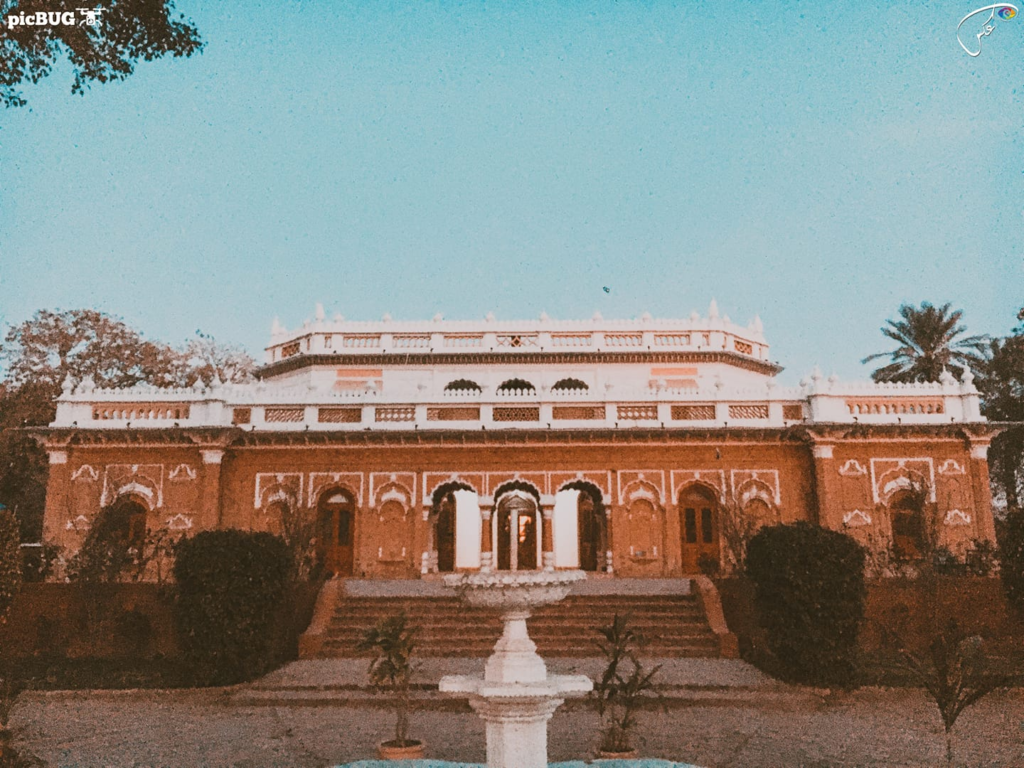
Farukh Mahal Bahawalpur Pakistan (Urdu: فرخ محل) is a historic palace within the Bahawalgarh Palace Complex in Bahawalpur, Punjab, Pakistan. Constructed in the early 20th century for the royal family of Bahawalpur, Farukh Mahal reflects a fascinating fusion of South Asian and European architectural styles, while offering insight into the private domestic life of the former princely state.
History of Farukh Mahal Bahawalpur
Farukh Mahal was commissioned around 1905 by Nawab Muhammad Bahawal Khan V during a period of cultural prosperity in Bahawalpur. Designed as a private residence rather than a ceremonial palace, it complemented the grander Darbar Mahal, which hosted official events and state functions. Construction was completed by 1911, with interiors finished in phases, showcasing meticulous attention to domestic elegance.

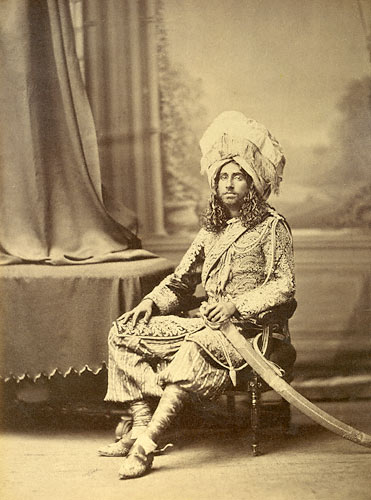
Following the merger of Bahawalpur State into Pakistan in 1947, the palace complex briefly accommodated provincial offices. Rising maintenance costs and family disputes led the Abbasi heirs to lease the palaces, including Farukh Mahal, to the Government of Pakistan in 1966. Today, it is part of the Thirty-Fifth Infantry Division headquarters under the Pakistan Army, and access is restricted.
Architectural Style of Farukh Mahal
Farukh Mahal exemplifies the Indo-Saracenic architectural style, a hybrid that combines traditional Indian motifs with Victorian and European influences, a style widely adopted in princely states of British India in the late 19th and early 20th centuries. Compared to its neighboring palaces, Farukh Mahal emphasizes domestic functionality while retaining ornamental elegance.
Key Architectural Features
- Red Brick Construction with Stucco: The palace is built primarily of red brick, adorned with contrasting stucco bands, giving it a stately yet understated appearance.
- Raised Platform & Terraces: A broad podium supports the structure, with wide terraces on the east and west, reflecting symmetry and formal planning.
- Room Layout: Interiors consist of three rows of interconnected rooms aligned north-to-south, illustrating thoughtful spatial organization for daily royal life.
- Arched Openings & Wooden Doors: Traditional wooden doors set in arched frames combine practical access with aesthetic appeal.
- Fireplaces & Stucco Tracery: Ornate fireplaces with stucco detailing in most rooms underscore the palace’s Victorian influences, rarely seen in other regional palaces.
- European Influences: Victorian-style moldings, cornices, and subtle Corinthian motifs (similar to those in Nishat Mahal) highlight a blend of global design trends with local traditions.
Farukh Mahal within the Bahawalgarh Palace Complex
Farukh Mahal is part of a trio of palaces commissioned by Nawab Muhammad Bahawal Khan V:
- Darbar Mahal: The grand ceremonial palace.
- Nishat Mahal: Another private residence with notable Indo-Victorian details and Corinthian elements.
- Farukh Mahal: Designed for family living, simpler yet elegant in style.
Together, these palaces form a cohesive ensemble, connected by formal gardens, axial layouts, and harmonious visual planning, reflecting the Nawab’s patronage of art and architecture.
Cultural Significance & Lesser-Known Story
Farukh Mahal’s value lies in its intimate scale and domestic function. Unlike Darbar Mahal or Noor Mahal, which were public-facing ceremonial spaces, Farukh Mahal provides a rare glimpse into the daily life of Bahawalpur royalty. Its design prioritizes comfort, privacy, and elegance, illustrating how architecture supported social and personal needs alongside political power.
Historians and heritage activists argue that the palace deserves more recognition and better preservation, not only as part of the complex but as a testament to domestic royal life in early 20th-century Pakistan.
Preservation, Access & Future Potential
Currently, public access is restricted due to its inclusion in the Pakistan Army cantonment area. While this has helped protect the structure from decay, it limits scholarly research and tourism. Controlled opening for educational visits and heritage tourism could enhance appreciation and ensure long-term preservation.
Why Visit Farukh Mahal (If Accessible)
Farukh Mahal appeals to:
- Students and researchers of South Asian and Indo-Saracenic architecture.
- Heritage enthusiasts seeking stories beyond well-known palaces.
- Anyone curious about royal domestic life in early 20th-century Pakistan.
Farukh Mahal Bahawalpur is more than a historic building, it is a window into the domestic world of royalty, a fusion of architectural styles, and a cultural artifact of a bygone era. Constructed between 1905 and 1911, it remains preserved within the military-controlled palace complex, representing a lesser-known but significant landmark in Pakistan’s architectural and historical heritage.
Visit Farukh Mahal and Other Bahawalpur Palaces with Saiyah Travels
Plan your visit to Farukh Mahal Bahawalpur with Saiyah Travels and explore the rich heritage of Bahawalpur, including Darbar Mahal, Noor Mahal, Nishat Mahal, Gulzar Mahal, and Nishat Mahal. Our guided tours provide a complete historical and architectural experience of these iconic palaces, ensuring you discover every royal story, architectural detail, and hidden gem.
Frequently Asked Questions about Farukh Mahal Bahawalpur
1. When was Farukh Mahal Bahawalpur built?
Farukh Mahal was commissioned around 1905 by Nawab Muhammad Bahawal Khan V and completed by 1911.
2. What is the architectural style of Farukh Mahal?
Farukh Mahal is built in the Indo-Saracenic style, blending Indian motifs with Victorian and European architectural elements.
3. Can the public visit Farukh Mahal Bahawalpur?
Currently, Farukh Mahal is within a Pakistan Army cantonment and access is restricted, requiring special permission.
4. How is Farukh Mahal different from Darbar Mahal and Nishat Mahal?
Farukh Mahal was designed as a private royal residence focusing on daily life, while Darbar Mahal and Nishat Mahal served ceremonial and grander purposes.
5. Who built Farukh Mahal?
It was built by Nawab Muhammad Bahawal Khan V for the royal family of Bahawalpur in the early 20th century.
6. What are the key features of Farukh Mahal?
Key features include red brick construction, terraces, arched wooden doors, fireplaces with stucco work, and a three-row room layout.
7. Is Farukh Mahal part of Bahawalgarh Palace Complex?
Yes, Farukh Mahal is one of the three main palaces in the complex, alongside Darbar Mahal and Nishat Mahal.
8. Why is Farukh Mahal historically significant?
It provides a rare glimpse into royal domestic life and the architectural fusion of the early 20th-century Bahawalpur princely state.
9. Are there any European influences in Farukh Mahal’s architecture?
Yes, Victorian moldings, cornices, and subtle Corinthian motifs complement the local Indian design, reflecting global trends of the period.
10. How can Farukh Mahal be preserved for future generations?
Controlled tourism, scholarly research, and heritage awareness programs are recommended to protect and promote Farukh Mahal.