Pakistan’s mosques are more than places of worship, they are living stories of faith, art, history and culture. From modern architectural marvels to ancient heritage structures, these mosques reflect the soul of their regions. In this guide, explore 12 of the most beautiful mosques in Pakistan, each with its own unique history, design and emotional depth that makes it unforgettable for every traveler.
1. Faisal Mosque – Islamabad

Location: Islamabad, Capital Territory
Built: Completed 1986
Area Covered: ~33 acres (130,000 m²)
Capacity: ~300,000 worshippers overall (main hall + courtyard + grounds)
When Islamabad was being designed as the new capital in the 1960s, leaders sought a national mosque that would go beyond tradition. Saudi King Faisal bin Abdul Aziz generously funded the project, and an international design competition chose a bold concept by Turkish architect Vedat Dalokay. Instead of the classic dome, Faisal Mosque rises in sweeping, tent-like concrete shells supported by four tall minarets, a design that evokes both the desert tents of Arabia and the abstract shape of the Kaaba.
Inside, the prayer hall is vast and flooded with light, while white marble, mosaics and striking calligraphy by famed artist Sadequain give the interior a serene yet powerful presence. For many visitors, the contrast of modern design set against the Margalla Hills creates an emotional experience, like standing at the intersection of faith, modernity and national identity.
Faisal Masjid is a national mosque with contemporary design and massive scale, blending symbolism with spiritual tranquility.
2. Badshahi Mosque – Lahore

Location: Lahore, Punjab
Built: 1673 (Mughal Emperor Aurangzeb)
Area Covered: ~25,642 m²
Capacity: ~100,000 worshippers
Across from the Lahore Fort, Badshahi Mosque stands as one of the greatest achievements of Mughal architecture. Commissioned by Emperor Aurangzeb at the height of the empire, it was built to rival other major mosques of Islam’s golden age. Its vast courtyard and monumental prayer hall speak of imperial ambition, but also of collective devotion, tens of thousands once gathered here for prayer, military assemblies and royal ceremonies.
Walk through its tall red sandstone walls and the quiet interior seems to absorb centuries of history. Golden light at sunset casts long shadows over the courtyard, while the minarets and intricate marble inlays shimmer. For travelers, Badshahi isn’t just majestic, it’s moving, a reminder of Lahore’s rich spiritual and cultural past.
Badshahi Masjid has monumental Mughal scale and history; one of the world’s largest mosques of its era.
3. Masjid‑e‑Tooba (Gol Masjid) – Karachi
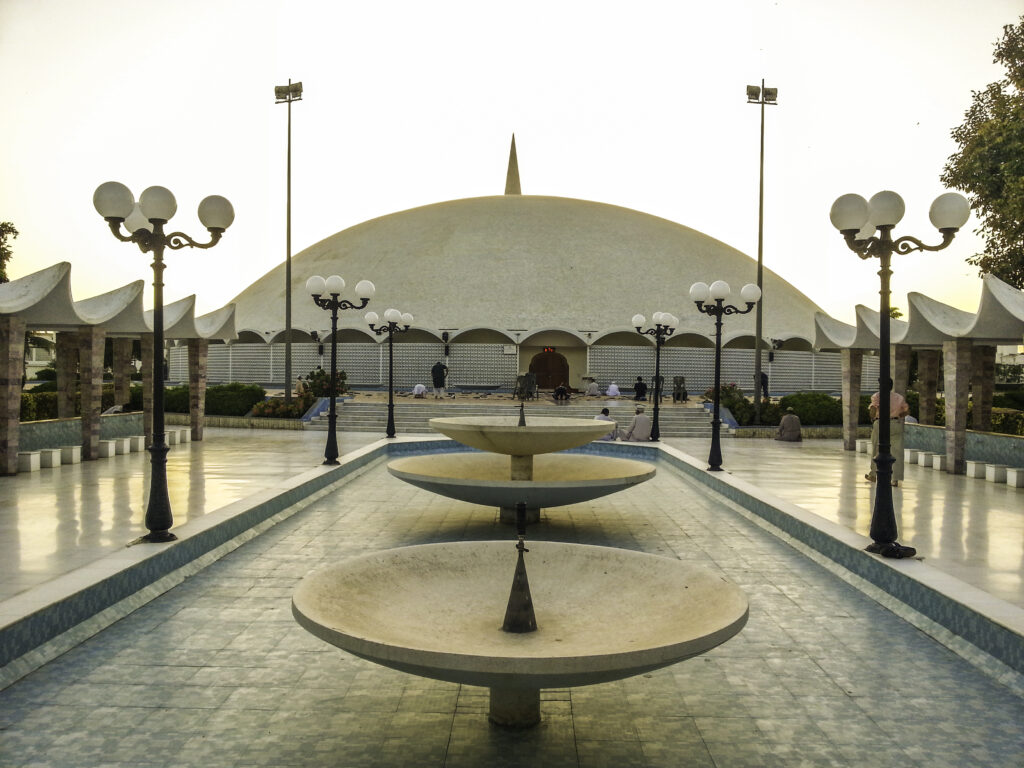
Location: Defence Housing Authority, Karachi, Sindh
Built: 1969
Area Covered: ~3,280 m²
Capacity: ~5,000 worshippers
In the bustling city of Karachi, Masjid‑e‑Tooba, commonly known as Gol Masjid, stands like a pearl in white marble. Its defining feature is its single massive dome, reputed to be one of the largest unsupported domes in the world, covering the entire prayer hall without interior pillars.
Built in 1969, the mosque’s simplicity becomes its strength: inside, light and silence bring an unexpected sense of calm amid urban energy. Its acoustics are remarkable — voices carry with clarity under the dome’s curve. For photographers and seekers of quiet reflection alike, this mosque offers a refreshing contrast to grand historical structures.
Masjid-e-Tooba has a minimalist single‑dome design with superb acoustics and modern engineering.
4. Shah Jahan Mosque – Thatta, Sindh
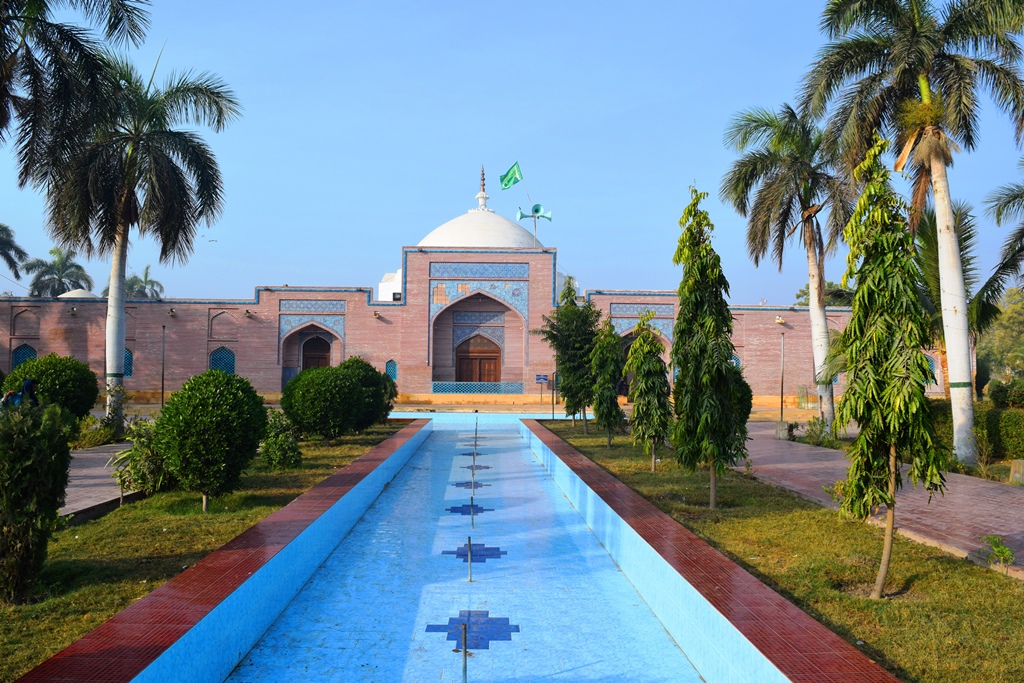
Location: Thatta, Sindh
Built: 1644–1647 (Eastern expansion by 1659)
Area Covered: ~3,050 m²
Capacity: ~20,000 worshippers
Commissioned by Mughal Emperor Shah Jahan, the same ruler who built the Taj Mahal, Shah Jahan Mosque was intended as a gift of gratitude to the people of Thatta after they hosted him during a period of exile.
What makes this mosque extraordinary is its 93 domes and extensive tilework. The finely detailed glazed tiles and geometric brick patterns are among the most elaborate of any mosque in South Asia. The design combines Timurid and Safavid influences, reflecting Shah Jahan’s admiration for Central Asian architecture.
Local lore says a Sufi saint corrected the mosque’s alignment toward Mecca overnight during construction, adding spiritual mystique to its already stunning physical presence. Today, many travelers describe the interplay of light, color and echo within this mosque as nothing short of magical.
Shah Jahan Masjid has an extraordinary tile work and dome architecture with historic Mughal storytelling.
5. Grand Jamia Mosque – Bahria Town, Lahore

Location: Bahria Town, Lahore
Built: 2014
Area Covered: One of Pakistan’s largest mosque sites
Capacity: ~100,000 worshippers (about 25,000 indoor)
The Grand Jamia Mosque in Bahria Town is a modern spiritual landmark that carries the architectural legacy of older mosques into the 21st century. Designed by the renowned architect Nayyar Ali Dada, it combines traditional Islamic motifs with grand scale and contemporary amenities.
While newer than other historic sites on this list, its soaring minarets, ornate portals and meticulously arranged tiles create a sense of sacred space that rivals ancient mosques. During Eid and Friday prayers, the courtyard fills with worshippers from across the region, weaving community life into its soaring architecture.
Grand Jamia Masjid Lahore is a modern interpretation of classical style; one of the largest contemporary mosques in Pakistan with community focus.
6. Wazir Khan Mosque – Lahore

Location: Walled City of Lahore, Punjab
Built: 1634–1641 (Mughal era)
Area Covered: ~3,825 m²
Capacity: ~10,000 worshippers
Then on the list of famous mosques is Wazir Khan Mosque, located in Lahore and celebrated for its intricate faience tile work (kashi‑kari) and richly illustrated frescoes. Commissioned by the governor Wazir Khan under Emperor Shah Jahan, it was completed after seven years of dedicated craftsmanship.
Set along the historic Shahi Guzargah (Royal Road) near Delhi Gate, this mosque served not only as a place of worship but also as a center of learning and culture. Walk beneath its arches and you’ll find every inch of its surface tells a story, swirling floral patterns, geometric illusions, and verses of devotion rendered in vibrant hues.
Wazir khan Masjid is the most ornately‑decorated Mughal mosque in Pakistan; emotional visual storytelling through tile and fresco.
7. Bhong Mosque – Rahim Yar Khan
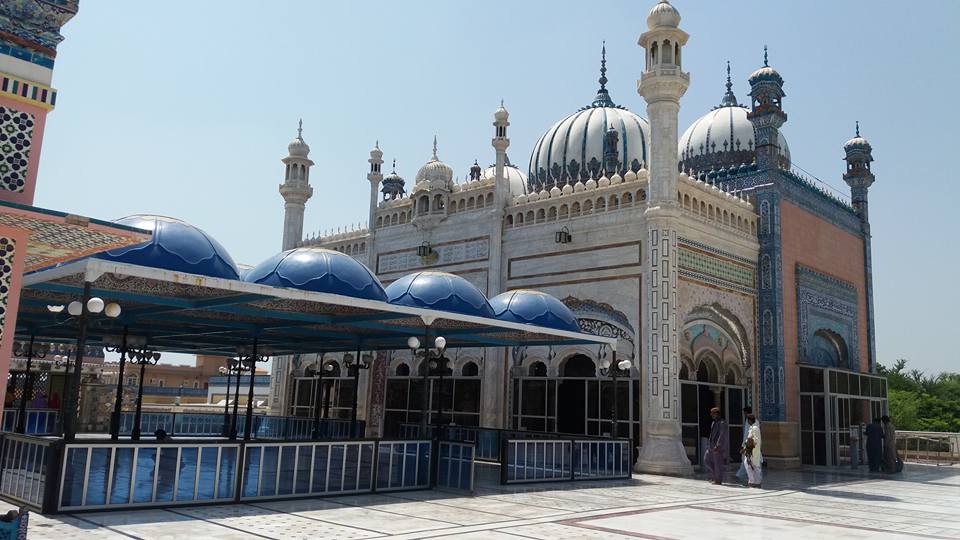
Location: Bhong, Rahim Yar Khan, Punjab
Built: 1932–1982
Area Covered: Not widely documented
Capacity: Intimate setting
Bhong Mosque began humbly in a small village but grew into a dazzling work of sacred art over five decades. Built by a local patron and his family, artisans worked across generations to create a mosque that seems to drip with detail, every surface covered in intricate calligraphy, mirror work, floral carvings, and geometric motifs.
In 1986, Bhong Mosque earned the Aga Khan Award for Architecture, a rare recognition for a rural mosque. For travelers, it symbolizes devotion that transcends wealth or fame, the beauty here is born of patience, faith and handcrafted mastery rather than imperial power.
Bhong Masjid is a rural masterpiece; long‑term personal devotion realized in exquisite architectural detail.
8. Mahabat Khan Mosque – Peshawar

Location: Peshawar, Khyber Pakhtunkhwa
Built: 1660s (Mughal era)
Area Covered: ~2,800 m²
Capacity: ~14,000 worshippers
In the heart of Peshawar’s old city stands the Mahabat Khan Mosque, named for the Mughal governor Mahabat Khan. Built during the 17th century, this mosque offers a quieter, more understated beauty compared to some larger imperial mosques.
What makes this mosque feel deeply authentic is its simple elegance, balanced proportions, clean lines and a sense of calm that contrasts with the lively bazaars around it. The interior, with its painted surfaces and arches, feels like stepping into another era. For many visitors, this mosque represents the everyday heart of Peshawar’s Islamic heritage rather than royal grandeur.
Mahabat khan mosque has serene Mughal simplicity within a vibrant urban fabric.
9. Sunehri Masjid – Lahore
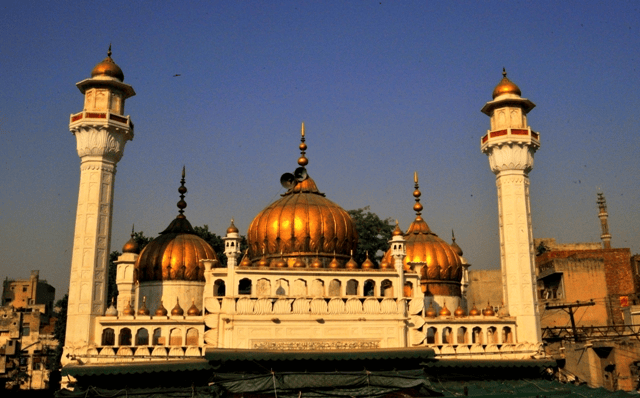
Location: Kashmiri Bazaar, Walled City of Lahore
Built: 1753
Area Covered: ~25,948 m²
Capacity: ~5,000 worshippers
Also known as the Golden Mosque, Sunehri Masjid was built during the waning years of the Mughal Empire when imperial power was in decline. Unlike the grand constructions of earlier times, its charm comes from its intimate scale and golden domes that rise above the tangled alleys of Lahore’s old market.
Commissioned by Nawab Bukhari Khan, the mosque’s elevated platform once housed shops whose rents funded its upkeep. Inside, seven prayer chambers and soaring minarets reflect Mughal influences, while the golden domes glow warmly in afternoon sun. Sunehri Masjid feels like a hidden gem, a serene retreat tucked into one of Pakistan’s most vibrant historic quarters.
Sunehri Masjid has golden domes in a historic bazaar setting; intimate atmosphere.
10. Chaqchan Mosque – Khaplu, Gilgit‑Baltistan
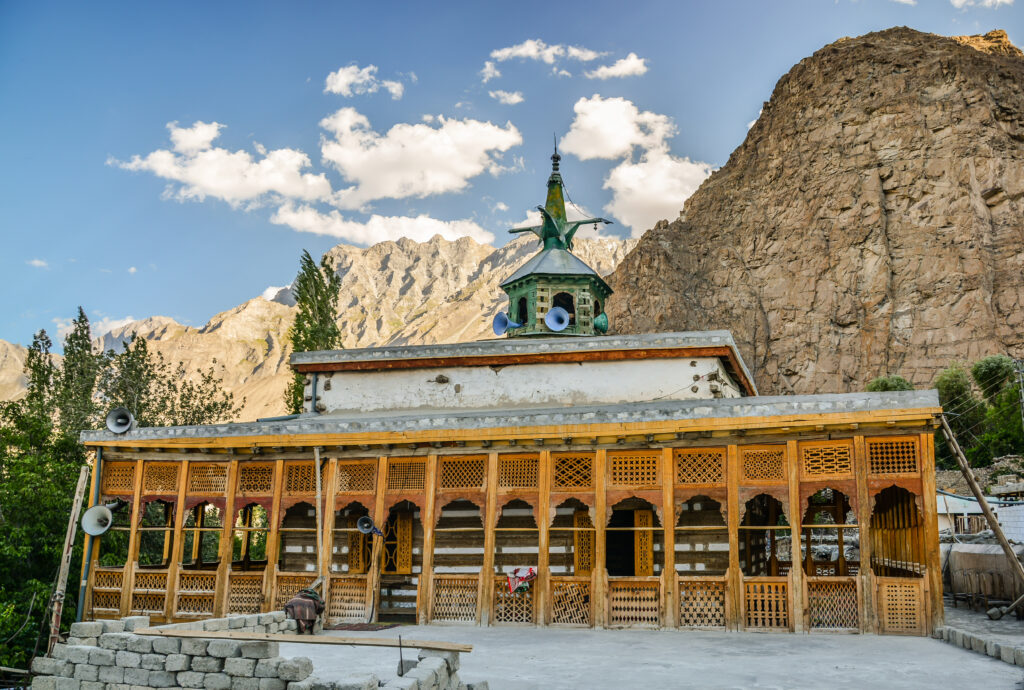
Location: Khaplu, Gilgit‑Baltistan
Built: 1370 CE
Area Covered: Traditional mountain enclave
Capacity: ~500 worshippers (approx)
Dating from 1370, centuries before Mughal dominance, Chaqchan Mosque is one of northern Pakistan’s oldest Islamic sites. Built shortly after the region embraced Islam, its architecture blends Tibetan, Kashmiri and Persian elements, using locally available materials and techniques suited for harsh mountain climates.
The mosque’s interiors feature intricate woodwork and schemes of vibrant colors, while the exterior seems to grow from the surrounding landscape. For those who travel to northern Pakistan, Chaqchan offers a rare glimpse into early Islamic history blended with Himalayan culture and spirituality.
Chaqchan Masjid is one of the oldest mosques in northern Pakistan; mountain‑inspired architectural fusion.
11. Amburiq Mosque – Shigar, Gilgit‑Baltistan
Location: Shigar Valley, Gilgit‑Baltistan
Built: 14th century
Area Covered: ~63 m² (approx)
Capacity: ~500 worshippers
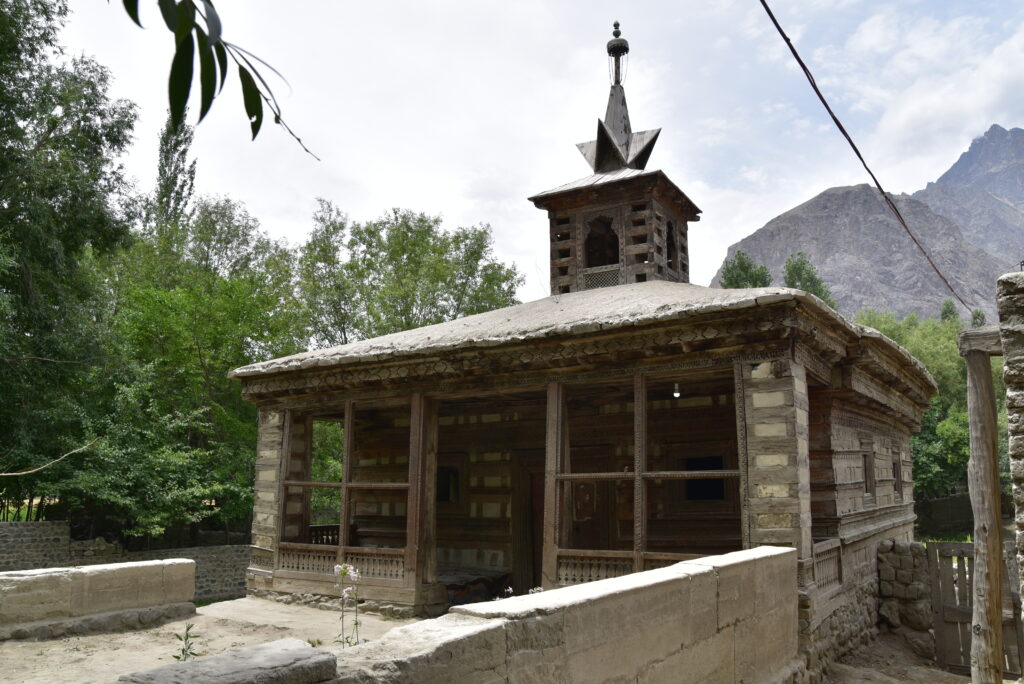
In the serene Shigar Valley, Amburiq Mosque stands as a symbol of early Islamic conversion in the region. According to tradition, the Sufi missionary Sayed Ali Hamadani established it during his travels, making it among the earliest mosques in Baltistan.
Though modest in size, its timeless simplicity and historic footprint leave a powerful impression. The wooden and stone structure resonates with the identity of the valley, quiet, spiritual and deeply rooted in community tradition. Today the mosque also hosts a small museum that tells its story, bridging history with living culture.
Amburiq Masjid has a historic site marking Islam’s early spread in northern Pakistan; intimate and authentic.
12. Sunehri Masjid – Peshawar
Location: Peshawar, Khyber Pakhtunkhwa
Built: 1942–1992
Area Covered: ~1,672 m²
Capacity: ~6,000 worshippers
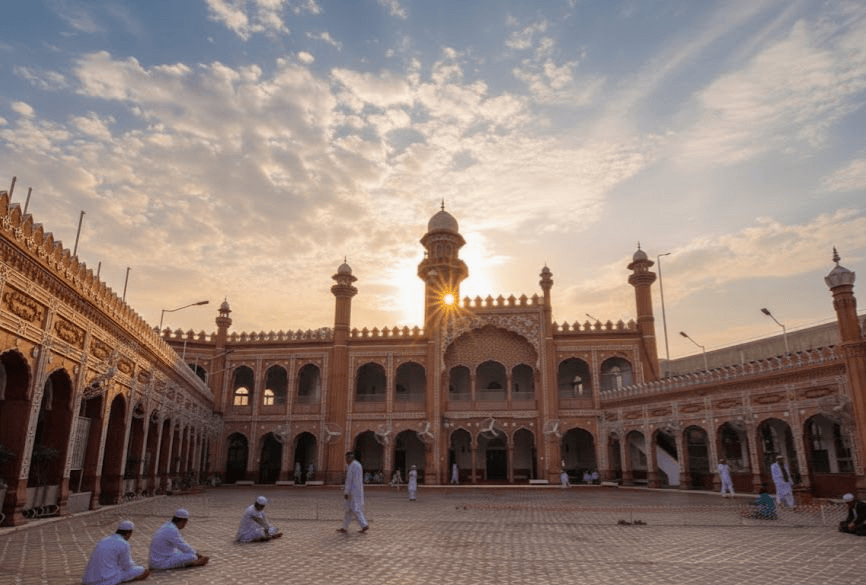
While many historic mosques were built in concentrated periods, Peshawar’s Sunehri Masjid reflects a community effort across decades. Construction began in 1942 but due to funding interruptions, it was not completed until 1992, symbolizing perseverance and collective faith.
The mosque’s Mughal‑inspired architecture, red bricks, domes and arches, feels at home in Peshawar’s layered history. Inside, the large prayer hall and multiple domes create a sense of space that connects centuries of architectural influence with contemporary worship needs. Visitors describe its atmosphere as a living mosaic of the city’s evolving identity.
Sunehri Masjid Peshawar has an extensive construction history reflecting community resilience and cultural continuity.
If you want to explore all of these magnificent mosques with a proper guide, detailed history, and in-depth exploration of every interior, Saiyah Travels can make it happen. Our experienced guides will take you through each mosque, sharing stories, architectural insights, and local culture that you won’t find in any guidebook. Contact us today to plan your unforgettable mosque tour in Pakistan.
Frequently Asked Questions (FAQs) about Mosques in Pakistan
What are the most beautiful mosques to visit in Pakistan?
The most beautiful mosques in Pakistan include Faisal Mosque (Islamabad), Badshahi Mosque (Lahore), Shah Jahan Mosque (Thatta), Grand Jamia Mosque (Lahore), Masjid-e-Tooba (Karachi), Wazir Khan Mosque (Lahore), Bhong Mosque (Rahim Yar Khan), Mahabat Khan Mosque (Peshawar), Sunehri Masjid (Lahore & Peshawar), Chaqchan Mosque (Khaplu), and Amburiq Mosque (Shigar).
Which mosque in Pakistan has the largest capacity for worshippers?
Faisal Mosque in Islamabad is the largest mosque in Pakistan with a capacity to accommodate up to 300,000 worshippers including its courtyard and grounds.
What is the history of Faisal Mosque in Islamabad?
Faisal Mosque was completed in 1986, funded by Saudi King Faisal, and designed by Turkish architect Vedat Dalokay. Its modern tent-like design represents both Islamic and contemporary architectural excellence.
How can I visit Badshahi Mosque in Lahore and other historical mosques?
Visitors can explore Badshahi Mosque and other historical mosques through city tours in Lahore, guided tours organized by Saiyah Travels, or independently with prior planning and respect for prayer timings.
Which mosques in Pakistan are known for their Mughal architecture?
Badshahi Mosque, Wazir Khan Mosque, Shah Jahan Mosque, Mahabat Khan Mosque, and Sunehri Masjid are famous examples of Mughal architecture in Pakistan with intricate tilework, frescoes, and grand domes.
What are the best mosque tours in Pakistan for tourists?
Saiyah Travels offers guided mosque tours across Pakistan, covering Islamabad, Lahore, Karachi, Sindh, and Gilgit-Baltistan, providing history, architecture insights, and in-depth interior exploration.
How old is the Shah Jahan Mosque in Thatta and what is its significance?
Shah Jahan Mosque in Thatta was built in 1647 during Mughal Emperor Shah Jahan’s reign. It is renowned for its 93 domes, stunning tilework, and architectural harmony reflecting Mughal art and spiritual devotion.
Which mosques in Pakistan have unique interior designs and tile work?
Wazir Khan Mosque, Shah Jahan Mosque, Bhong Mosque, and Badshahi Mosque are notable for their elaborate tilework, frescoes, mirrored interiors, and decorative carvings, each offering a unique visual experience.
Can I explore mosques in northern Pakistan like Chaqchan and Amburiq Mosque?
Yes, mosques like Chaqchan Mosque in Khaplu and Amburiq Mosque in Shigar Valley are accessible through guided northern Pakistan tours, offering historical insights and stunning Himalayan architecture.
Are there guided tours available for mosques in Pakistan with historical insights?
Yes, Saiyah Travels provides guided mosque tours across Pakistan, sharing detailed history, architecture insights, and the cultural stories behind each mosque, making the visit informative and immersive.