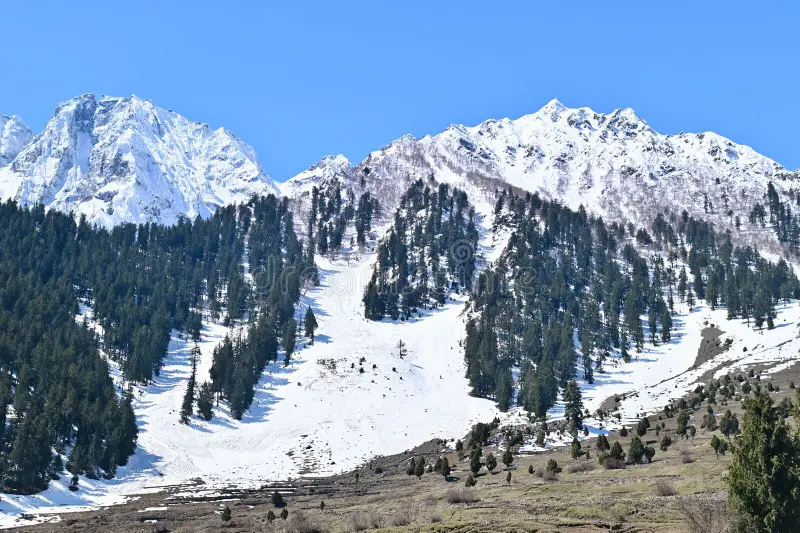
Naltar Valley is one of the most beautiful and less explored destinations in Gilgit-Baltistan, Pakistan. Located in the Karakoram mountain region, this valley is known for its colorful alpine lakes, thick pine forests, rich wildlife, and Pakistan’s oldest ski resort. Unlike Hunza and Skardu, which are now heavily visited, Naltar offers a quieter and more untouched natural environment.
Travelers who visit Naltar often describe it as a place where nature feels raw and peaceful. The air is colder and cleaner, the forests are deeper, and the lakes appear in colors that seem almost unreal. Because of this unique combination of scenery and isolation, Naltar Valley is increasingly becoming a top choice for travelers who want to experience northern Pakistan beyond the usual tourist routes.
Location of Naltar Valley and Geographic
Region: Gilgit-Baltistan, Pakistan
Distance from Gilgit: 34–40 km
Altitude: Around 2,900–3,000 meters above sea level
Mountain Range: Karakoram
Naltar Valley lies in Gilgit District, approximately 34 to 40 kilometers from Gilgit city. The journey begins from the town of Nomal and continues into a narrow mountain valley that gradually becomes greener and more forested as you travel deeper.
The valley stretches from Nomal in the south to Naltar Pass in the north. It is surrounded by high peaks of the Karakoram range, which protect it from strong winds and create a microclimate that supports dense pine forests and diverse wildlife.
Altitude and Terrain
Naltar Valley sits at an elevation between 2900 and 3000 meters above sea level. This high altitude has a direct impact on temperature, vegetation, and lifestyle. The terrain includes rocky slopes near the entrance of the valley, followed by thick forests, alpine meadows, and glacial streams further inside.
Settlements and Local Communities in Naltar Valley
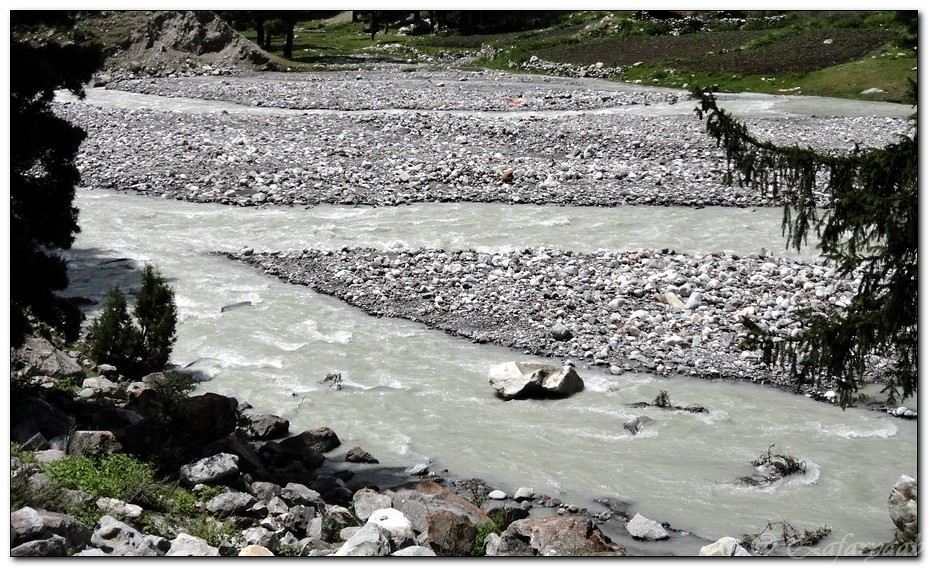
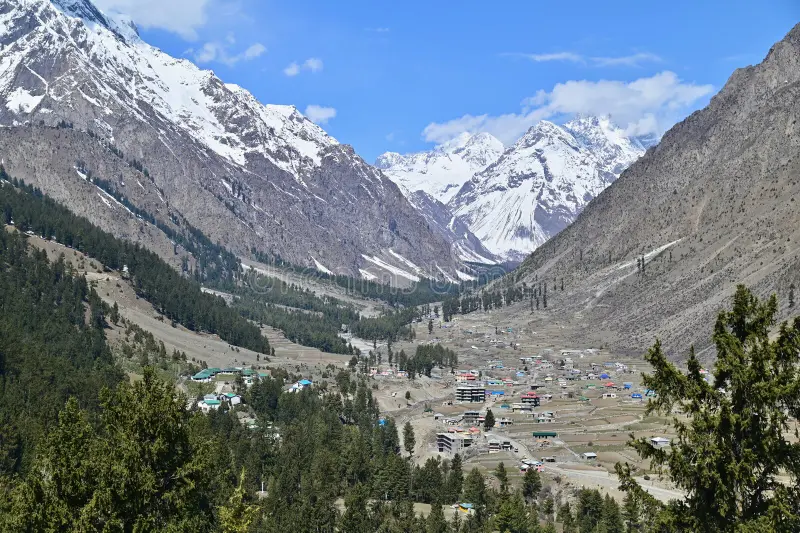
Naltar Bala
Naltar Bala, also called Upper Naltar, is the main tourist settlement. Most guesthouses, jeep parking areas, and ski slopes are located here. Travelers usually stay in this part of the valley because it provides access to both the lakes and the ski resort.
Naltar Paain
Naltar Paain, or Lower Naltar, is where many local families live. This area includes small farms, wooden houses, and grazing lands. Visitors who spend time here often get a closer look at local culture and traditional mountain lifestyles.
The Naltar Lakes – Bashkiri Lake System
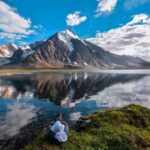
The famous lakes of Naltar are collectively known as the Bashkiri Lakes. These lakes are located roughly 12 to 13 kilometers from Naltar Bala and are accessed through a rugged jeep track that winds through dense pine forests and steep mountain slopes.
While three lakes are most commonly visited, the Bashkiri lake system actually includes five to six alpine lakes spread across the valley. Some of the smaller lakes require trekking beyond the main jeep track, which is why many tourists only see the primary three.
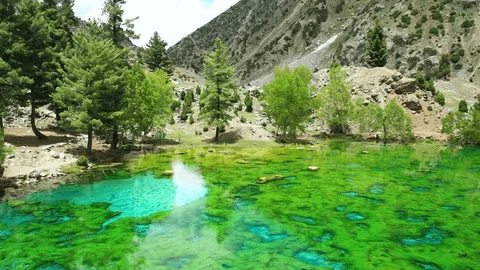
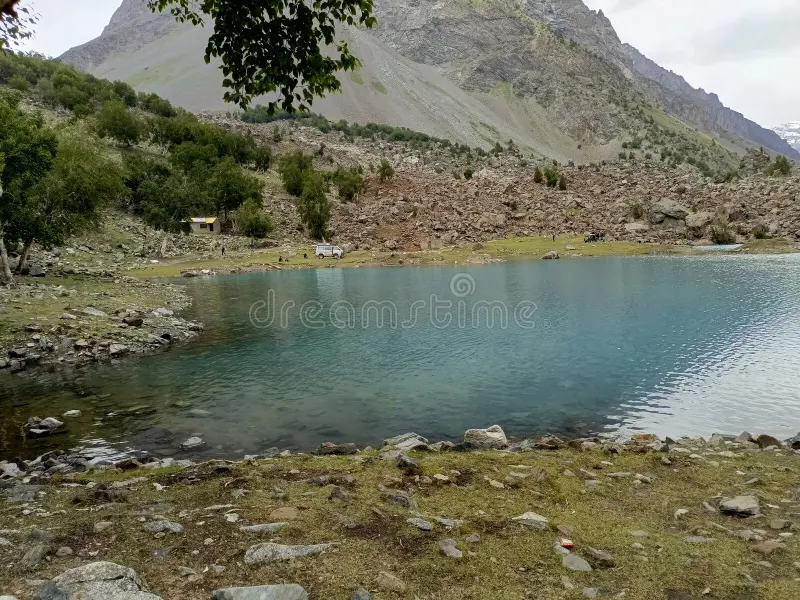
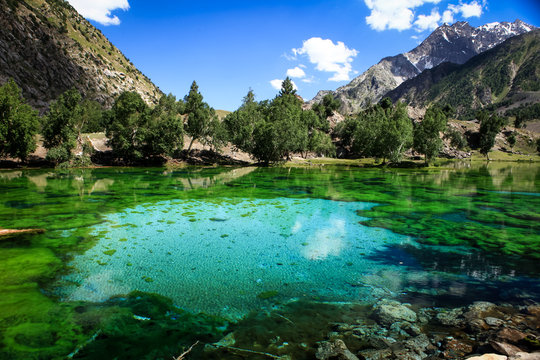
Satrangi Lake – Bashkiri I
Satrangi Lake is the largest and most photographed lake in the valley. The word “Satrangi” means seven colored, and the lake displays multiple shades including turquoise, green, and deep blue. These color changes are influenced by sunlight angle, water depth, mineral content, and algae presence, which creates a shifting palette throughout the day.
Blue Lake – Bashkiri II
Blue Lake lies close to Satrangi Lake but has a deeper and more stable blue tone. The calm surface often reflects surrounding pine trees and snow capped peaks, making it a favorite location for landscape photography.
Feroza Lake – Bashkiri III
Feroza Lake displays a lighter turquoise color compared to the darker Blue Lake. The contrast between the three main lakes creates a visually striking experience, especially when viewed in sequence during a single visit.
Naltar Valley Weather and Temperature Throughout the Year
Because of its high altitude and forested terrain, Naltar Valley weather remains cooler than most parts of Gilgit-Baltistan.
Summer (May – September)
- Temperature: 10°C – 25°C
- Best season for lake visits, camping, and trekking
- Clear roads and lush green forests
During summer, from May to September, Naltar experiences mild and pleasant temperatures. Daytime temperatures usually remain between 10 and 25 degrees Celsius. The snow melts during this period, allowing access to the lakes, meadows, and trekking routes. Forests appear lush green, and streams flow with glacial water.
Autumn (October)
- Golden foliage and fewer tourists
- Cold nights but stunning photography conditions
In October, the valley transitions into autumn. Some trees begin to change color, creating a mix of green and golden tones. The weather becomes cooler, especially at night, but the skies are often clearer, which makes this a good season for photography and quiet travel.
Winter (December – March)
- Heavy snowfall covering the valley
- Ski slopes open
- Road to lakes often blocked by 10–15 feet of snow
Naltar Ski Resort and Pakistan’s Winter Sports History
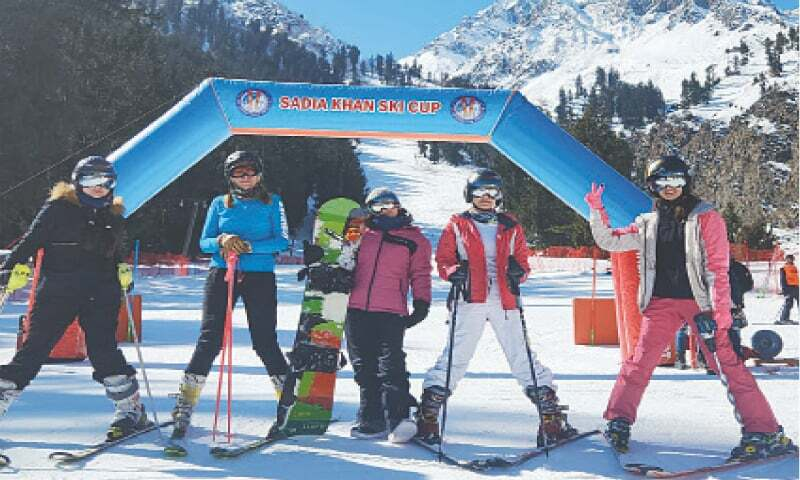

The ski resort in Naltar Valley holds a special place in Pakistan’s sports history. Established several decades ago, it became the first organized ski facility in the country. The slopes are located at high altitude, which ensures long snow retention and suitable conditions for skiing competitions.
The resort has hosted multiple national skiing championships and has also welcomed international teams for training. Pakistan’s first Winter Olympian, Muhammad Abbas, trained in this region before competing at the Winter Olympics. This connection has made Naltar an important training ground for athletes.
Even for travelers who are not interested in skiing, visiting the resort during winter provides an unforgettable experience. The silent forests, snow covered slopes, and clear mountain air create a peaceful environment that feels far removed from city life.
Ski Slopes and Winter Sports Activities
The ski slopes are located at high altitude, which allows snow to remain for a longer duration compared to lower regions. During winter, skiers and snowboarders visit the valley to practice and compete. Even visitors who do not ski often come just to experience the snowy environment and take part in snow walks and photography.
Wildlife and Forest Ecosystem of Naltar Valley
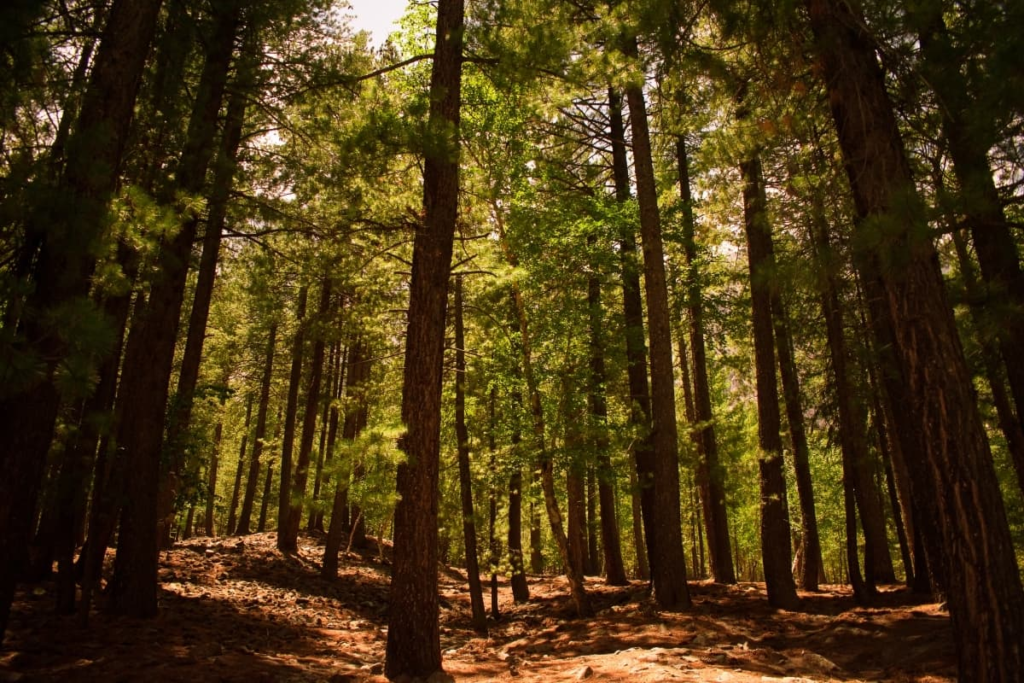
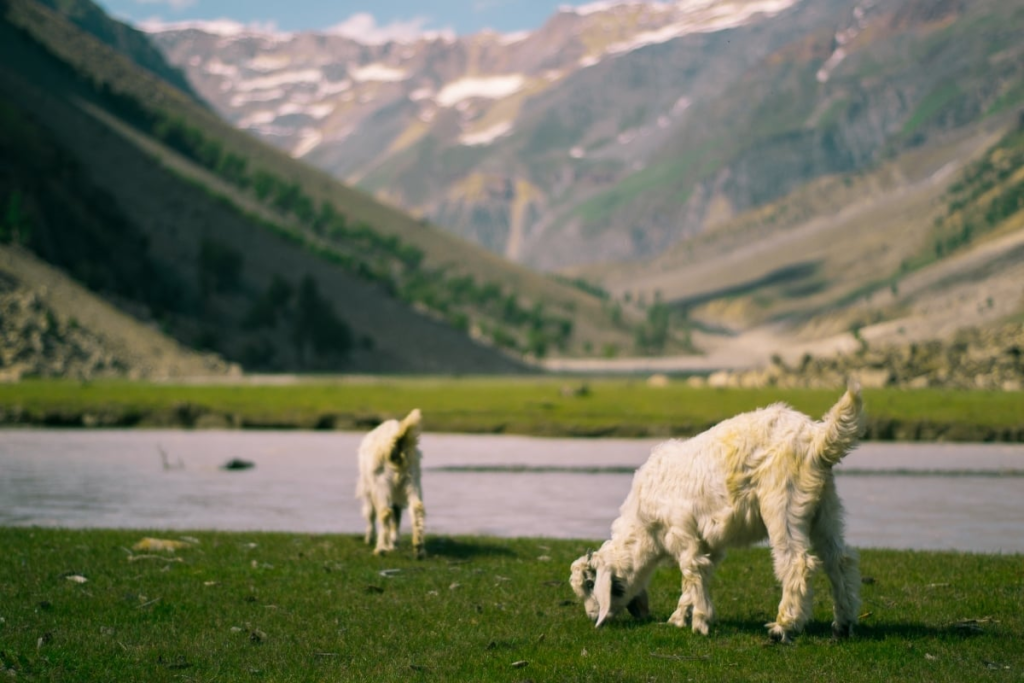
Established in 1975, the Naltar Wildlife Sanctuary protects one of the richest ecosystems in Gilgit-Baltistan.
Naltar Wildlife Sanctuary
The valley was declared a wildlife sanctuary to protect its forests and animal species. The sanctuary includes large areas of pine and juniper forest, which serve as habitat for several rare animals.
Animals Found in the Valley
Wildlife in the valley includes snow leopard, Himalayan brown bear, ibex, and red fox. These animals are rarely seen because they avoid human presence, but their existence shows the ecological importance of the region.
Lolly the Snow Leopard – Naltar Valley’s Rare Treasure
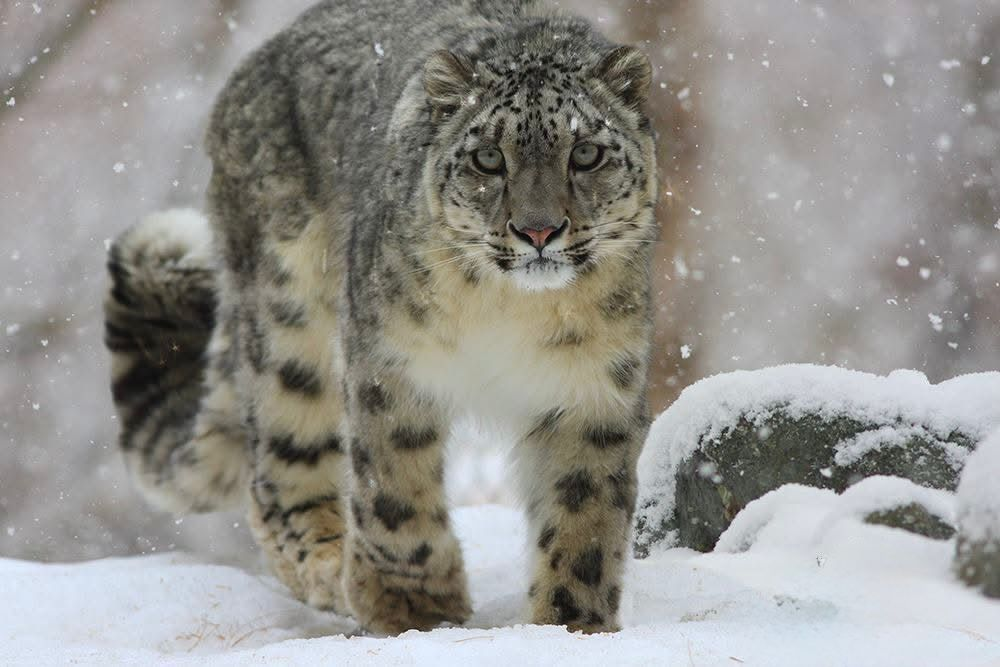
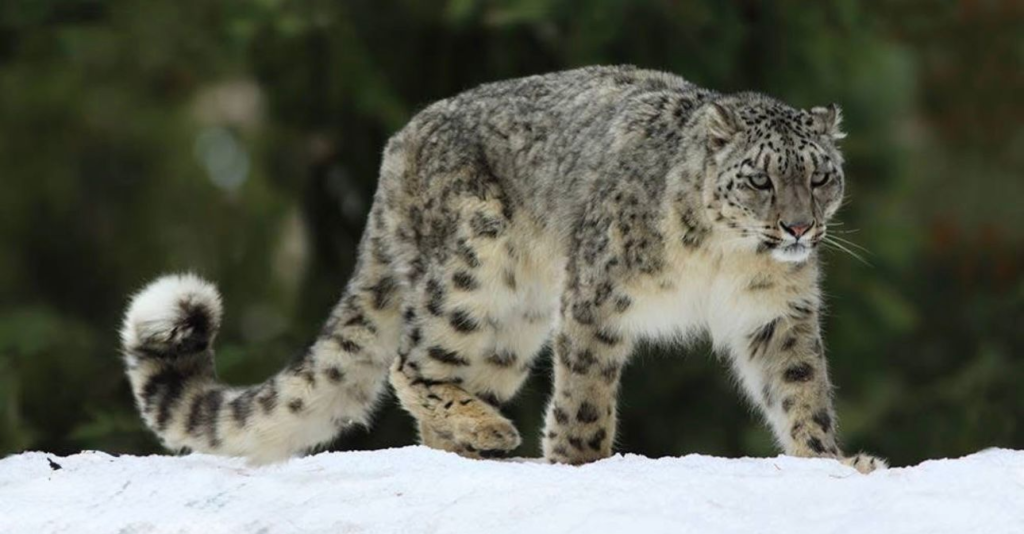
Naltar Valley is not just famous for its lakes and mountains, but also for its connection to Lolly, the snow leopard, one of Pakistan’s most cherished wildlife ambassadors. Snow leopards are extremely rare and elusive, often called the “ghosts of the mountains,” with only a few hundred estimated to survive in Pakistan’s wild highlands.
Lolly was rescued as a young cub after being separated from her mother. Growing up around humans, she could not return to the wild, but she now lives in a safe, protected environment in Naltar Valley. Her presence allows visitors to see this majestic big cat up close, offering a rare chance to connect with one of the region’s most iconic species.
Observing Lolly is an unforgettable experience. Her striking fur patterns, piercing eyes, and powerful physique give a glimpse into the life of snow leopards that roam Pakistan’s remote mountains. Beyond her charm, Lolly serves as a symbol of conservation efforts, reminding visitors of the need to protect these vulnerable predators and their fragile alpine habitats.
Visiting Naltar Valley and seeing Lolly is both exciting and educational. It highlights the importance of wildlife preservation and inspires travelers to support efforts that keep Pakistan’s snow leopards safe for generations to come.
Naltar Valley Villages & Local Culture
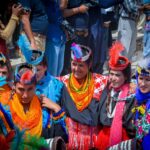
The valley is inhabited by small communities belonging to Yashkun, Sheen, and Gujjar ethnic groups, who speak Shina, Gojari, and Urdu.
Life here revolves around:
- livestock grazing
- subsistence farming
- seasonal tourism
- traditional wooden houses
Visitors often describe Naltar villages as peaceful, welcoming, and culturally rich, with strong
Things to Do in Naltar Valley
1. Jeep Safari to Naltar Lakes
The road from Naltar Bala to the lakes is narrow, rocky, and adventurous. Most tourists hire 4×4 jeeps for this journey.
2. Trekking & Hiking
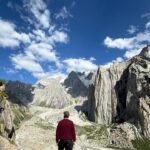
The valley offers numerous trekking routes through forests, glacial streams, and alpine meadows.
3. Skiing in Winter
Skiing, snowboarding, and snow photography make winter visits unforgettable.
4. Camping Under Pine Forests
Camping near the lakes or in open meadows provides a rare wilderness experience.
5. Wildlife Photography
The sanctuary offers opportunities to photograph birds, ibex, and alpine landscapes.
Road Conditions & Transport Tips
The road to Naltar is one of the most scenic but also one of the roughest in northern Pakistan. Landslides, narrow cliffs, and unpaved sections make it unsuitable for standard cars.
Travelers should:
- hire local jeep drivers
- avoid night travel
- check weather and road conditions in winter
Hotels & Accommodation in Naltar Valley
Accommodation in Naltar is simple but comfortable.
Government & Army Rest Houses
- GBPWD Rest House
- FCNA and GB Scouts lodges
Private Hotels & Guesthouses
- Wooden cottages
- Das e basi resort
- Green Park Naltar
- Small family-run hotels
- Camping sites near lakes
Most accommodations are located in Naltar Bala, the main tourist hub.
Naltar Valley in Winter – A Snow Paradise
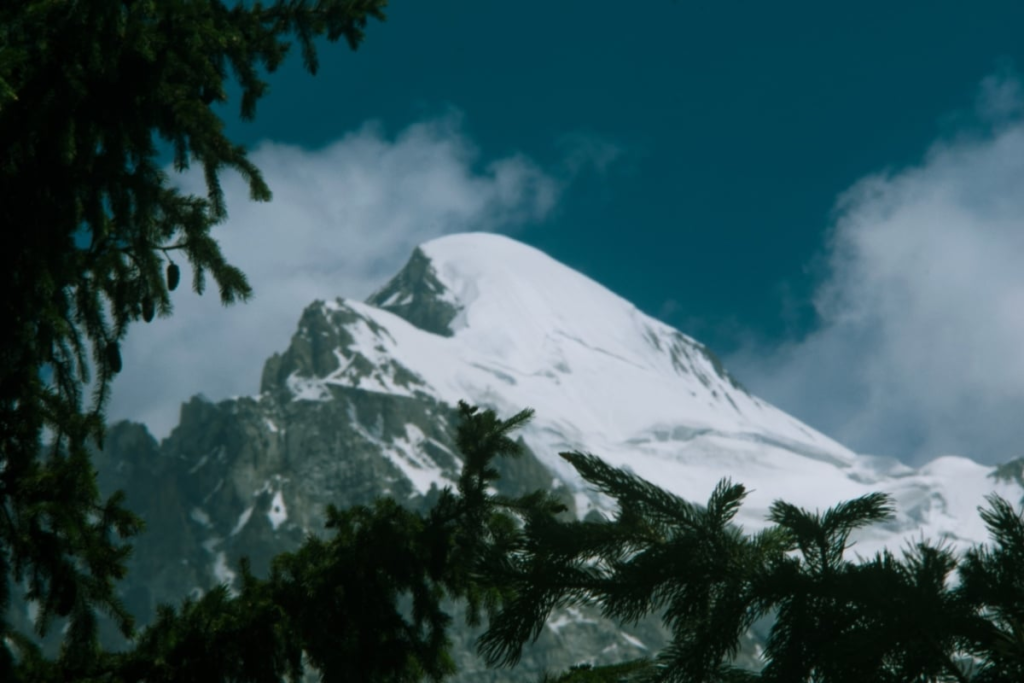
From December to March, Naltar becomes one of Pakistan’s most beautiful winter landscapes. Thick layers of snow cover, forests, rooftops, ski slopes and frozen streams
However, access to the lakes becomes extremely difficult, and travelers should plan carefully.
Important Travel Tips
- Always hire experienced jeep drivers
- Carry cash — ATMs are not available
- Mobile signals are limited
- Pack warm clothing even in summer
- Respect wildlife sanctuary regulations
Best Time to Visit Naltar Valley
The best time depends on what type of experience a traveler is looking for.
If someone wants to see lakes and greenery, summer is ideal.
If someone wants fewer crowds and golden landscapes, autumn is better.
If someone wants snow and winter sports, then winter is the right season.
Naltar Valley combines several natural features that are rarely found together in one place. It has colorful lakes, dense forests, high mountains, rare wildlife, and ski slopes. This diversity makes it different from many other valleys in northern Pakistan.
For travelers who are searching for a peaceful and scenic destination that still feels natural and untouched, Naltar Valley offers an experience that is both relaxing and adventurous.
Travel to Naltar Valley with Saiyah Travels
If you are planning a trip to Naltar Valley and want a smooth and well-organized experience, contact us we can arrange complete travel services including transport, accommodation, and guided lake visits. With local drivers who understand mountain routes and a team experienced in northern Pakistan tours, your journey becomes safer, more comfortable, and easier to manage.
You can explore available Naltar Valley tour packages or request a customized itinerary directly through Saiyah Travels to plan your trip according to your schedule and budget.
Frequently Asked Questions About Naltar Valley
What is the best time to visit Naltar Valley for lakes and greenery?
The best time to visit Naltar Valley for lakes and greenery is during summer, from May to September. During this period, the snow melts, forests are lush, and temperatures range between 10°C and 25°C, perfect for trekking and sightseeing.
How far is Naltar Valley from Gilgit and how long does it take to reach?
Naltar Valley is approximately 34–40 kilometers from Gilgit city. The drive takes about 1–2 hours depending on road conditions and stops along the scenic mountain route.
Which are the most famous lakes in Naltar Valley?
The most famous lakes are part of the Bashkiri Lake system, including Satrangi Lake (Bashkiri I), Blue Lake (Bashkiri II), and Feroza Lake (Bashkiri III). The valley has up to 5–6 alpine lakes, some of which require trekking to reach.
What activities can tourists do in Naltar Valley in summer?
In summer, visitors can enjoy jeep safaris to the lakes, trekking through forests and meadows, camping under pine trees, wildlife photography, and exploring alpine streams.
Can I go skiing in Naltar Valley and where are the ski slopes?
Yes, Naltar Valley has Pakistan’s oldest ski resort located near Naltar Bala. The slopes are at high altitude, ideal for skiing, snowboarding, and winter photography.
What wildlife can be seen in Naltar Valley and its sanctuary?
The Naltar Wildlife Sanctuary protects species like snow leopards, Himalayan brown bears, ibex, and red fox. Sightings are rare but the sanctuary provides a rich forest ecosystem for wildlife photography and eco-tourism.
How do I reach Naltar Valley safely and what are the road conditions?
The roads to Naltar are narrow, rocky, and prone to landslides. Travelers should hire experienced local jeep drivers, avoid night travel, and check weather and road conditions, especially in winter.
Where can travelers stay in Naltar Valley and what are accommodation options?
Accommodations are mainly in Naltar Bala and include government rest houses, army lodges, wooden cottages, family-run hotels, and camping near lakes. Options range from budget-friendly to comfortable stays.
How high is Naltar Valley and its lakes above sea level?
Naltar Valley sits at an altitude of 2,900–3,000 meters, while the Bashkiri Lakes are slightly higher, around 3,050–3,150 meters above sea level, giving them their alpine characteristics and scenic views.
Is Naltar Valley suitable for family trips, solo travelers, or adventure tours?
Naltar Valley is suitable for all types of travelers. Families can enjoy peaceful stays, solo travelers can explore nature and trekking, and adventure enthusiasts can take part in skiing, hiking, and wildlife photography.