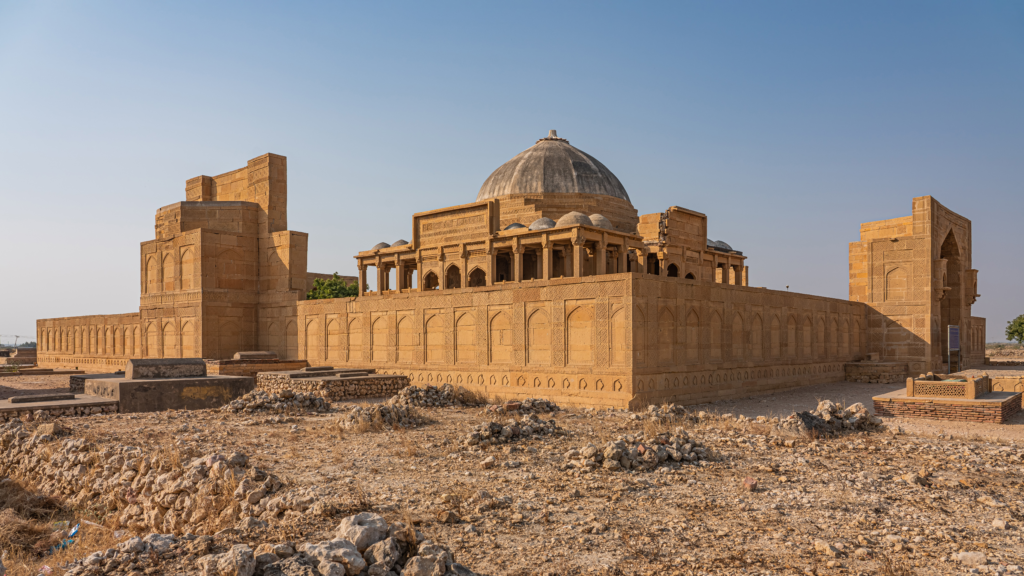
When people imagine historical monuments, they often think of palaces, forts, or temples. However, some of the most remarkable sites are in unexpected places. Makli Necropolis, located near Thatta in Sindh, Pakistan, is one such hidden gem. Spanning approximately 10 square kilometers and containing hundreds of thousands of tombs, it is more than a graveyard. It is a living archive of Sindh’s history, culture, art, and architecture, chronicling more than 400 years of civilization.
Quick Facts About Makli Necropolis
Location: Thatta, Sindh, Pakistan, about 6 kilometers from Thatta city
Area: Approximately 10 square kilometers
Estimated Tombs: 500,000 to 1,000,000
Time Period: 14th to 18th centuries
UNESCO World Heritage Site: Inscribed in 1981
Dynasties Represented: Samma, Arghun, Tarkhan, Mughal
Architectural Styles: Islamic, Persian, Mughal, Gujarati, and local Chaukhandi style
Significance: Burial site for rulers, Sufi saints, scholars, and commoners
The Unmatched Scale of Makli Necropolis
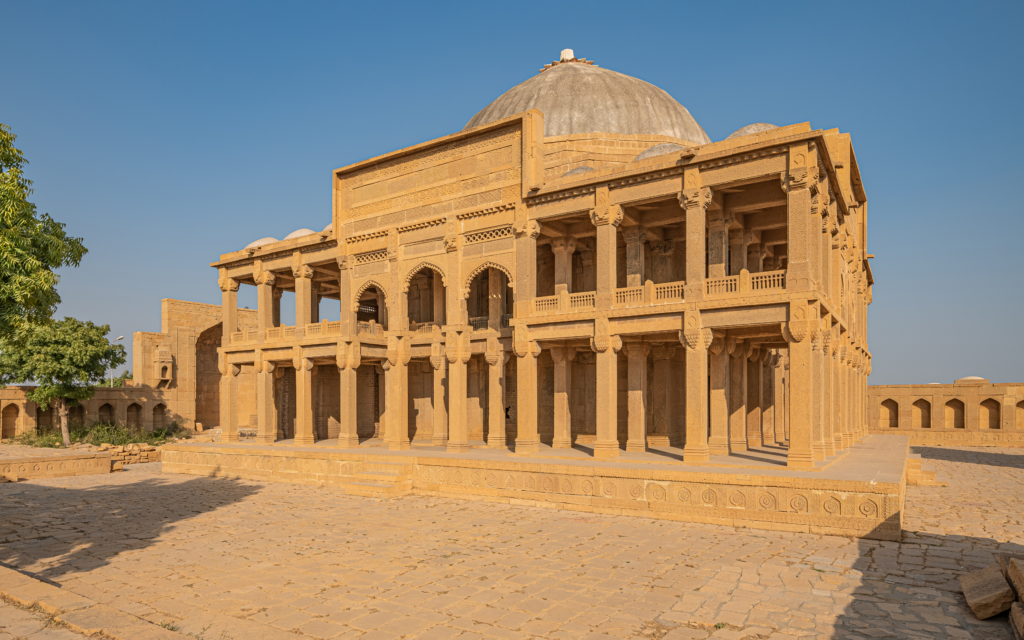
Makli Necropolis isn’t just a cemetery, it’s an entire city of the dead. Over a period of 400 years, from the 14th to the 18th century, rulers, saints, scholars, and ordinary citizens were buried here. Estimates suggest there are between 500,000 and 1 million tombs, making Makli one of the largest necropolises in the world.
Walking through its vast expanse, visitors are struck by the sheer scale and variety of tombs, from modest gravestones to grand mausoleums with intricately carved stonework.
Location and Geography
Makli Necropolis is situated on a slightly elevated plateau near Thatta, which was historically a thriving capital and trade hub connecting Central Asia, the Middle East, and the Indian subcontinent. Its proximity to the Indus River delta allowed Thatta to prosper and contributed to the development of the necropolis.
The plateau helped preserve the tombs from seasonal flooding and provided a strategic location for a sprawling funerary complex.
Historical Background
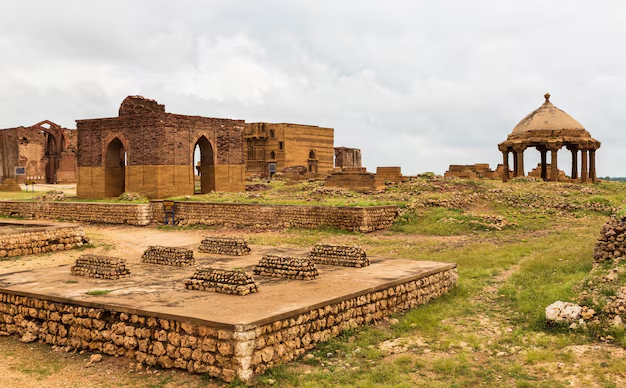
Makli began to gain prominence in the 14th century, largely due to Sufi influence. The tomb of Shaikh Jamali became a focal point for spiritual devotion, inspiring rulers and elites to construct elaborate mausoleums nearby.
Samma Dynasty Contributions
The Samma dynasty, ruling from 1351 to 1520, expanded Makli as a burial site. Tombs from this era are elegant and relatively simple, featuring early Chaukhandi-style motifs and Islamic calligraphy.
Arghun and Tarkhan Periods
The Arghun and Tarkhan dynasties introduced Persian influences and more ornate tombs. Their mausoleums reflected evolving craftsmanship, combining Islamic elements with regional artistic styles.
Mughal Influence
During the Mughal period, Makli experienced a peak in architectural sophistication. Tombs incorporated large domes, arches, minarets, and intricate stonework, merging local Sindhi traditions with Persian-inspired design. These developments created some of the necropolis’s most visually striking monuments.
Layout and Organization
Makli is organized into multiple clusters, often corresponding to dynasty or social status.
Royal Tomb Clusters: Grand mausoleums with domes and intricate carvings
Sufi Saints’ Tombs: Smaller tombs that remain spiritually significant
Commoner Graves: Modest stone markers scattered across the site
This arrangement allows visitors to trace centuries of architectural evolution and social history in one location.
Architectural Evolution
Early Tombs
The earliest tombs were simple stone structures, either rectangular or pyramidal, reflecting spiritual austerity.
Chaukhandi-Style Tombs
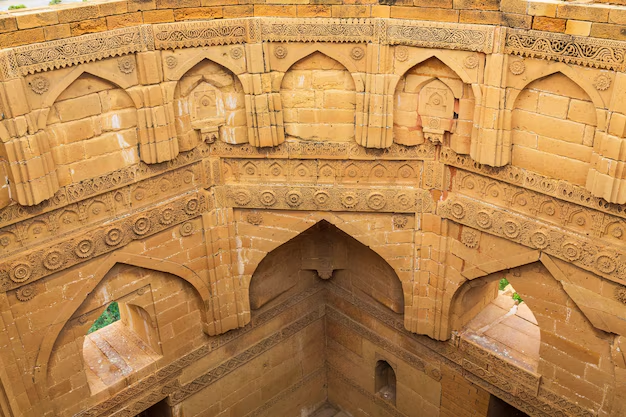
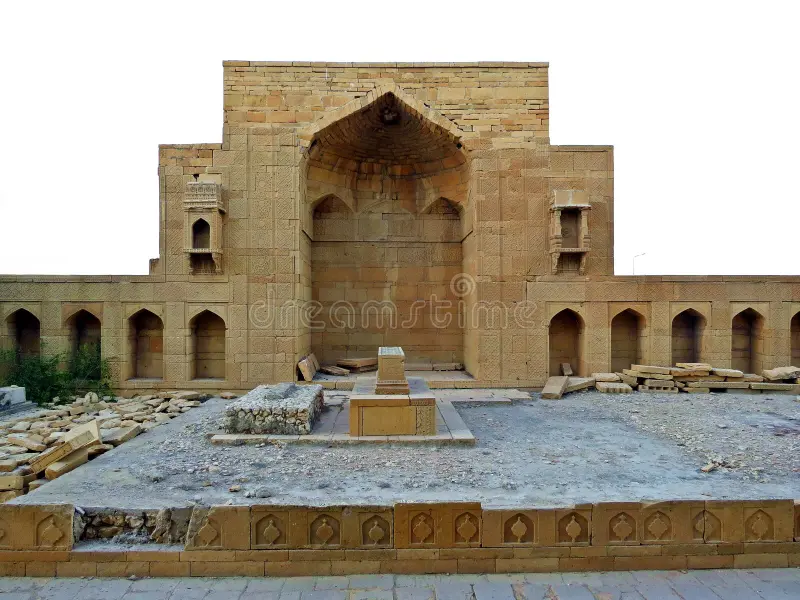
Makli is famous for the Chaukhandi-style tomb, unique to Sindh. These tombs typically have a square or rectangular base with carved geometric patterns, floral motifs, and decorative niches, often topped with domes or pyramids. Over time, these tombs became more elaborate.
Mughal-Era Enhancements
Mughal influence introduced large domes, vaulted ceilings, Persian-style arches, and elaborate Quranic calligraphy. The fusion of local Sindhi motifs with Mughal artistry created some of the necropolis’s most impressive tombs.
Decorative Features
- Stone carvings with geometric and floral designs
- Quranic inscriptions and poetic verses
- Rare human or animal figures reflecting local or pre-Islamic influences
Tombs were both spiritual markers and indicators of the deceased’s status and identity.
Glazed Tiles and Masterful Stonework
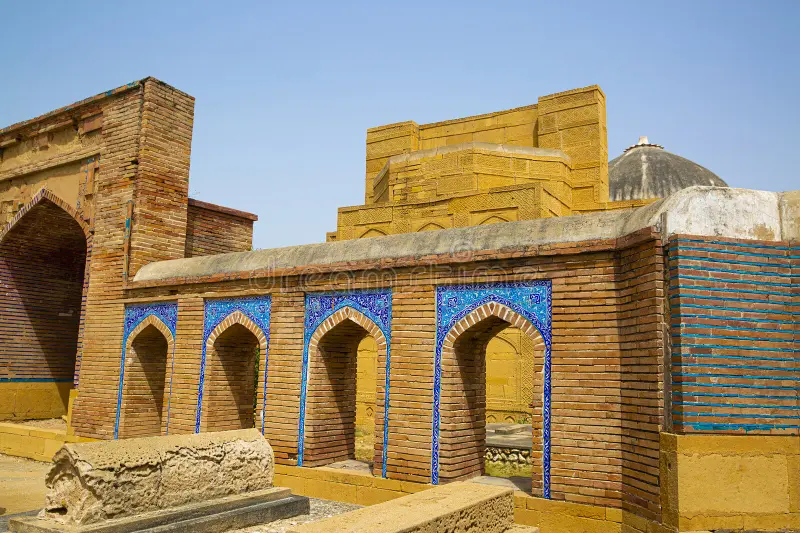
Makli Necropolis stands out not only for its massive scale but also for its exceptional craftsmanship in stone and tile work. While many tombs feature intricate stone carvings, a select few incorporate glazed tiles, adding vibrant color and a distinctive artistic touch to the otherwise arid landscape.
The use of glazed tiles at Makli reflects strong Persian and Central Asian influences, particularly during the Tarkhan and Mughal periods. These tiles, often in shades of blue, turquoise, and white, were used to decorate domes, walls, and surfaces, creating a striking contrast against the sandstone structures.
Notable Examples Include:
- Tomb of Diwan Shurfa Khan (died 1638): One of the most colorful monuments at Makli. Its dome and surfaces were originally covered with light blue glazed tiles, showcasing Persian-style design and vibrant tilework that still catches the eye today.
- Tomb of Isa Khan Tarkhan the Younger: Features advanced stonework combined with decorative elements, including balconies and cupolas that demonstrate architectural evolution.
- Other Tarkhan-era tombs, such as those of Mirza Ghazi Beg and related structures, display a fusion of carved stone with occasional glazed tile embellishments.
Even without tiles, Makli tombs display advanced stone carving: geometric patterns, floral motifs, and Quranic inscriptions that often mimic painted tiles, blending Islamic, Persian, Gujarati, and Sindhi influences.
Recent Conservation Efforts at Makli Necropolis (Updated)
Despite being a UNESCO World Heritage Site since 1981, Makli Necropolis faces challenges like erosion, saline winds, monsoon flooding, encroachment, and limited funding. After the 2022 floods, several conservation initiatives were launched to protect this historic site.
Key Efforts:
- In May 2025, UNESCO held a three-day workshop for Sindh’s Directorate of Antiquities, teaching restoration techniques and best practices.
- A Netherlands Funds-in-Trust (NFiT) project documented and stabilized damaged tombs, including the tomb of Shaikh Jiyo and a Samma-period tomb.
- Local and international experts worked together on stone testing, archival research, and repairs for climate-damaged structures.
- Earlier emergency UNESCO assistance helped assess and stabilize flood-affected monuments.
Ongoing Challenges:
- Funding remains limited for a site of this scale.
- Experts stress the need for a Master Plan, better boundaries, site security, and long-term monitoring.
These efforts aim to preserve Makli’s history and spirituality, ensuring future generations can experience Sindh’s rich cultural heritage.
Famous Personalities Buried at Makli Necropolis
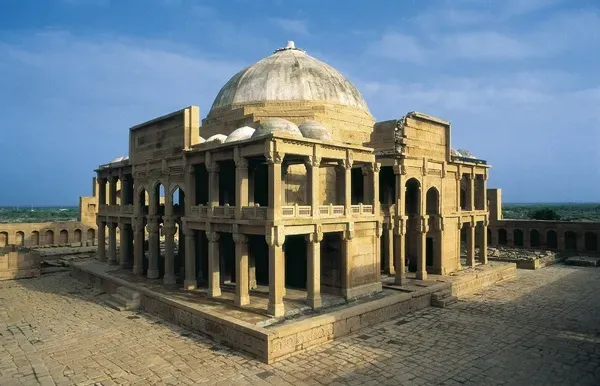
Makli Necropolis is home to hundreds of thousands of tombs, but several individuals stand out due to their historical, spiritual, or cultural significance. These tombs not only reflect the power and wealth of their occupants but also architectural and artistic mastery of their eras.
Rulers and Dynasties
- Jam Nizamuddin II (Samma Dynasty, r. 1461–1508)
- One of the most celebrated rulers of Sindh
- Tomb known for its grand scale, intricate stone carvings, and ornate calligraphy
- Often called the “Golden King of Sindh” for his patronage of arts and architecture
- Mirza Ghazi Beg (Tarkhan Dynasty, r. 1599–1612)
- Tarkhan ruler who played a pivotal role in regional politics
- Tomb features Persian-style inscriptions and a fusion of Islamic and local architectural motifs
- Jam Mubarak Khan (Samma Dynasty)
- Notable for Hindu-inspired carvings
- Represents cultural syncretism in Sindh during medieval times
Sufi Saints
- Shaikh Jamali
- Early Sufi saint whose tomb became a model for other mausoleums
- Inspired spiritual devotion and influenced the layout of Makli Necropolis
- Other Local Saints and Scholars
- Several Sufi saints, religious leaders, and scholars are buried here
- Their tombs continue to attract pilgrims and devotees, highlighting Makli’s ongoing spiritual significance
Scholars and Notables
- Makli also houses tombs of scholars, poets, and administrators, reflecting the intellectual and cultural heritage of Sindh
- Many of these individuals contributed to Islamic studies, architecture, and regional governance, leaving behind a legacy preserved in stone
UNESCO Recognition
In 1981, Makli Necropolis was inscribed as a UNESCO World Heritage Site under the title: Historical Monuments at Makli, Thatta. UNESCO recognized it as:
“An outstanding testament to the medieval civilization of Sindh between the 14th and 18th centuries.”
Despite its global significance, Makli remains relatively unknown outside Pakistan, making it a hidden gem for history enthusiasts and travelers.
Conservation Challenges
The site faces ongoing challenges:
- Natural erosion from harsh weather
- Limited resources for preservation
- Encroachment from nearby urban expansion
Ongoing efforts by local authorities and UNESCO are essential to protect this irreplaceable heritage.
Visiting Makli Necropolis
How to Reach: 6 km from Thatta, accessible from Karachi or Hyderabad by road. Local taxis or guided tours are recommended.
Best Time to Visit: Early morning or late afternoon; winter months are ideal.
Travel Tips:
- Hire a local guide for context
- Wear comfortable shoes and carry water
- Dress modestly and respect spiritual sites
Highlights:
- Royal mausoleums with intricate carvings
- Clusters of Chaukhandi-style tombs
- Tombs of Sufi saints and scholars
- Quranic inscriptions and stone carvings
Cultural and Educational Value
Makli offers insight into Sindh’s political, artistic, and spiritual evolution. It serves as an open-air classroom for historians, architects, and travelers, revealing centuries of cultural integration, architectural innovation, and spiritual life.
Interesting Facts
- One of the largest funerary sites in Asia
- Over 500,000 burials
- Tombs range from modest graves to monumental mausoleums
- Combines Islamic, Hindu, Persian, Mughal, and local Sindhi styles
- Preserves royal, Sufi, and commoner burials spanning four centuries
Makli Necropolis is more than a cemetery. It is a monumental record of human civilization, spanning centuries and reflecting Sindh’s architecture, culture, and spirituality. From grand royal tombs to humble Sufi graves, every monument tells a story. For travelers, historians, and architecture enthusiasts, Makli is a hidden gem, offering a profound glimpse into Pakistan’s rich cultural heritage. Its UNESCO recognition underscores its global importance, yet it remains largely undiscovered, a silent city of the dead that continues to speak to the living.
Saiyah travels offers guided tours to Makli Necropolis, giving you a deeper look into its history, architecture, and cultural significance. Contact us for more details and to book your Makli Necropolis tour.
Frequently Asked Questions About Makli Necropolis
What is Makli Necropolis and why is it famous in Pakistan?
Makli Necropolis is one of the largest burial sites in the world, located near Thatta in Sindh. It is famous for its massive scale, intricate tomb architecture, and its historical significance spanning over 400 years of Sindh’s civilization.
Where is Makli Necropolis located and how can tourists reach it?
Makli Necropolis is located about 6 kilometers from Thatta in Sindh, Pakistan. It is easily accessible by road from Karachi and Hyderabad, and visitors can reach it via private transport, taxis, or guided tours.
Why is Makli Necropolis considered one of the largest graveyards in the world?
Makli spans around 10 square kilometers and contains an estimated 500,000 to 1 million tombs, making it one of the largest funerary sites globally.
How many tombs are there in Makli Necropolis Thatta?
Historians estimate that Makli Necropolis contains between 500,000 and 1 million tombs, representing centuries of burials from rulers, saints, and common people.
Which dynasties are represented in Makli Necropolis architecture?
The site reflects the Samma, Arghun, Tarkhan, and Mughal dynasties, each contributing distinct architectural styles and artistic influences.
What makes Makli Necropolis a UNESCO World Heritage Site?
Makli was designated a UNESCO World Heritage Site in 1981 due to its outstanding representation of medieval Islamic architecture and cultural heritage in Sindh.
What is the historical significance of Makli Necropolis in Sindh?
Makli serves as a historical record of Sindh’s political, cultural, and spiritual evolution from the 14th to the 18th century.
What are the most famous tombs in Makli Necropolis Thatta?
Notable tombs include those of Jam Nizamuddin II, Isa Khan Tarkhan, and Diwan Shurfa Khan, known for their intricate carvings and architectural beauty.
Who is buried in Makli Necropolis Pakistan?
Makli is the resting place of rulers, Sufi saints, scholars, soldiers, and common people, reflecting a wide social and historical spectrum.
What is unique about Makli Necropolis architecture and design?
The site features a blend of Islamic, Persian, Mughal, Gujarati, and local Sindhi styles, with detailed stone carvings, domes, and decorative elements.
What are Chaukhandi-style tombs in Makli Necropolis?
Chaukhandi-style tombs are distinctive Sindhi structures with geometric carvings, rectangular forms, and decorative motifs, often associated with early Makli architecture.
How did the Mughal era influence Makli Necropolis monuments?
The Mughal period introduced domes, arches, calligraphy, and refined craftsmanship, enhancing the artistic and architectural complexity of the tombs.
What are the main conservation challenges at Makli Necropolis?
The site faces threats from erosion, climate effects, flooding, urban encroachment, and limited conservation funding.
What recent restoration efforts have been done at Makli Necropolis?
Recent efforts include UNESCO-led workshops, structural stabilization projects, and international collaborations to preserve damaged tombs after floods.
When is the best time to visit Makli Necropolis in Pakistan?
The best time to visit is between October and March when the weather in Sindh is cooler and suitable for exploring outdoor historical sites.
Is Makli Necropolis open for tourists and guided tours?
Yes, Makli is open to visitors, and hiring a local guide is recommended to better understand its history and architecture.
How far is Makli Necropolis from Karachi and Hyderabad?
Makli is approximately 90 km from Karachi and about 100 km from Hyderabad, making it a convenient day trip destination.
What cultural and spiritual importance does Makli Necropolis hold?
Makli is a major spiritual site due to the presence of Sufi saints and scholars, attracting pilgrims and history enthusiasts alike.
Why is Makli Necropolis called a city of the dead?
Due to its vast size and immense number of tombs, Makli resembles a city, earning it the nickname “city of the dead.”
What can visitors expect to see at Makli Necropolis Thatta?
Visitors can explore grand mausoleums, carved stone tombs, Quranic inscriptions, and diverse architectural styles across different historical periods.