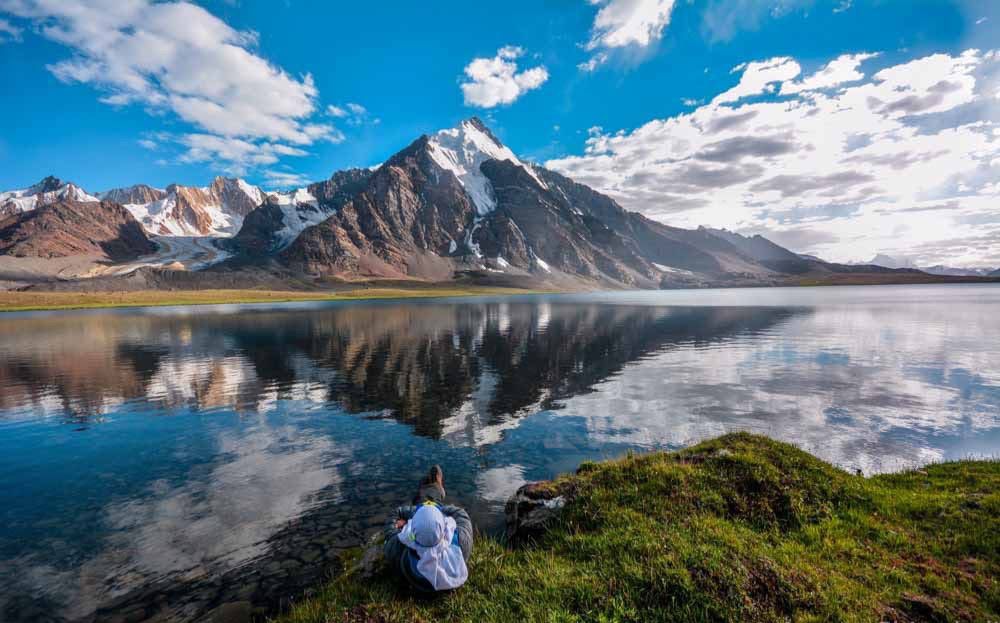
4,272–4,304 m | 33rd Highest Lake in the World | Broghil Valley, Upper Chitral
The Karomber Lake Trek in Pakistan is one of the most breathtaking high-altitude adventures, taking travelers through the remote and pristine landscapes of the Wakhan Corridor and Broghil Valley in Chitral. From the Pakistan side, the Wakhan Corridor opens into a wide valley shaped by ancient rivers between the towering ridges of the Hindu Kush, Pamir, and Karakoram mountains, offering some of the most untouched natural scenery in northern Pakistan. This high mountain region has been a historic crossroads of cultures and trade, connecting South Asia and Central Asia through narrow alpine passes.
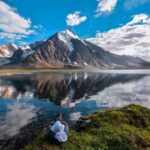
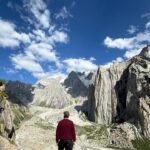
On the trail to Karomber Lake, trekkers pass rolling green meadows covered in colorful summer wildflowers, walk alongside crystal-clear mountain streams, and enjoy vast open skies. At higher elevations, glaciers and rocky ridges dominate the landscape, and the air becomes crisp and refreshing. Karomber Lake sits at over 4,200 metres above sea level, with turquoise waters framed by snow-capped peaks. Its mirror-like surface reflects the mountains and sky, making it one of the most beautiful and photogenic lakes in Pakistan.
The Wakhan Corridor also borders Tajikistan and Afghanistan, adding both historical and geographical significance to the trek. Along the route, trekkers encounter small Wakhi villages, where families live with livestock on high pastures. Their warm hospitality, offering black tea, yogurt (pai), and friendly conversation, adds a cultural dimension to the journey, making it deeply immersive and memorable.
At the end of the trek, standing by the calm waters of Karomber Lake with mountains rising on all sides and the vast Pamir sky overhead, travelers experience a rare sense of peace and wonder. This hidden paradise highlights the purest natural beauty of northern Pakistan and remains one of the last untouched alpine ecosystems in the country.
Key Geographic Facts
| Key Geographic Fact | Details |
| Elevation | 4,272–4,304 m (14,016–14,121 ft) |
| World Ranking | 33rd (31st commonly cited in tourism) |
| Pakistan Ranking | 2nd highest naturally active lake |
| Surface Area | 2.632 km² (263.2 hectares) |
| Length × Width | 3.9 km × 2 km |
| Max / Avg Depth | 55 m max / ~17–52 m average |
| Location (Admin) | Boundary of Upper Chitral (KPK) & Ghizer (GB) |
| Nearby Pass | Karomber Pass — connects Broghil to Ishkoman |
| Distance from Gilgit | ~205 km |
| Distance from Chitral | ~250 km (Broghil Valley) |
Why Karomber Lake is Unique
Karomber Lake stands out due to its combination of altitude, ecology, and remoteness:
- High Altitude Challenge: At 4,272–4,304 m, trekkers face significant physical demands requiring fitness and acclimatization.
- Biologically Active Waters: Supports aquatic life despite extreme altitude, earning the title of 2nd highest naturally active lake in Pakistan.
- Ecological Richness: Part of the Hindu Kush-Himalaya-Pamir confluence, a UNESCO-recognized biodiversity hotspot.
- Pristine and Untouched: Minimal tourism ensures a true alpine paradise experience.
- Cultural Immersion: Interaction with Wakhi shepherd communities provides insight into centuries-old pastoral lifestyles.
Karomber Lake Trek Overview
The trek begins at Lashkargaz, the last jeep-accessible settlement in Broghil Valley. From here, trekkers traverse approximately 25 km of high-altitude terrain to reach Karomber Lake, typically taking 8–10 hours one way.
Popular Routes
- Chitral via Mastuj & Broghil (Recommended for First-Timers): Gentle slopes, beginner-friendly but long and high-altitude.
- Ishkoman Valley via Shutargardan & Chitti Boi Glacier: Advanced 3-day trek with technical crossings.
- Chapursan Valley via Chilinji Pass: Expert-level route; crosses 5,243 m pass.
- Darkot, Yasin Valley via Darkot Pass: Remote, steep ascent; suitable for expedition-level trekkers.
- Chiantar Pass (Exploratory): For advanced adventurers seeking uncharted terrain.
Trek distances may vary slightly (23.5–26 km), but 25 km is a reliable average.
Landscape & Natural Beauty of Karomber Lake
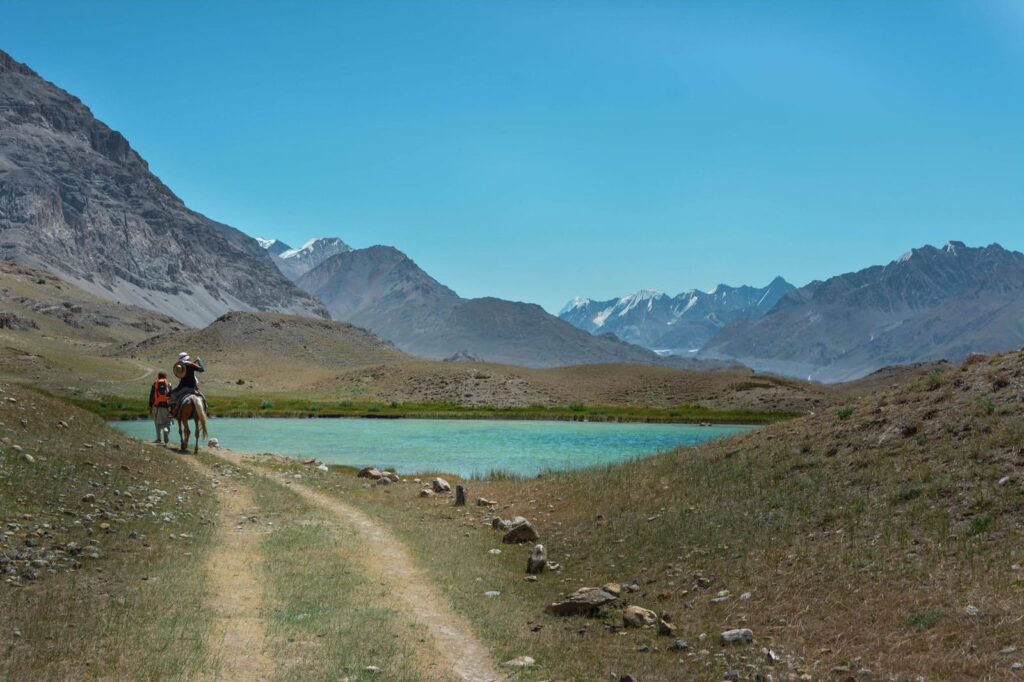
The trek offers a gradual and breathtaking transformation:
- Rolling Meadows: Carpeted with wildflowers in purple, yellow, and red, with grazing yaks and livestock.
- Glacial Streams: Reflect snow-capped peaks and create intricate braided channels.
- High Terrain: Rocky ridges and moraines before reaching the lake enhance the alpine experience.
- Ribat Lake: ~1 mile from Karomber; excellent for a side excursion and wildlife photography.
- Sunrise & Sunset: Turquoise waters reflect golden and pink hues, perfect for photography.
Wakhi Culture & Heritage
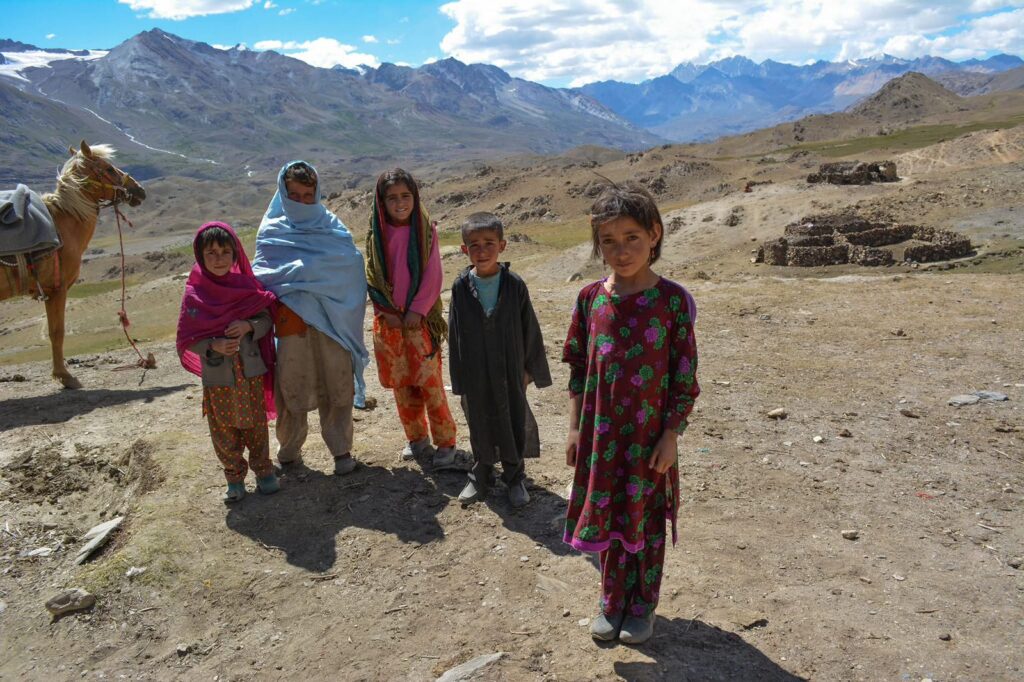
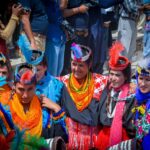
The Broghil Valley is home to Wakhi-speaking families, many of Tajik ancestry. Their traditional lifestyle revolves around transhumance pastoralism, moving livestock between high summer pastures and winter villages.
Trekkers can experience:
- Black tea (pai) offered by shepherds
- Seasonal homestays
- Insight into a centuries-old alpine lifestyle
Wildlife & Biodiversity
Karomber Lake is an ecological treasure:
- Snow leopard (Panthera uncia) — rare sightings, top predator
- Marco Polo sheep (Ovis ammon polii) — largest wild sheep species
- Himalayan ibex (Capra sibirica) — expert climbers
- Golden eagle (Aquila chrysaetos) — apex raptor
- Himalayan marmot (Marmota himalayana) — whistles mark open meadows
- Migratory waterfowl — Bar-headed geese use the lake as a stopover
WWF recognizes Karomber as one of the highest biologically active lakes, highlighting its ecological uniqueness.
Best Time to Visit
The best time to visit Karomber Lake is during the summer and early autumn months, when the weather is relatively stable and the trekking routes are accessible. June marks the opening of the trekking season, with trails becoming gradually passable. July to August is the peak season, offering the clearest skies, fully melted passes, and vibrant wildflowers across the meadows. Early September is also an excellent window, with fewer crowds and pleasant weather, while late September and beyond can be risky, as conditions become unpredictable and snow may start to return. Winter months are entirely inaccessible due to heavy snow, often 5–6 feet deep, which makes roads and trails impassable and the region extremely hazardous.
Permits, Legal Requirements & Safety
Permits & NOC: Karomber Lake lies in a restricted border zone. Trekkers must obtain permits/NOCs. Saiyah Travels handles all formalities for a seamless experience.
Altitude Awareness: At 4,272–4,304 m, mild to severe altitude sickness.
Health & Safety Tips:
- Ascend gradually and allow rest days
- Stay hydrated and eat light meals
- Avoid alcohol and smoking during the trek
- Carry a first-aid kit and optional oxygen
Packing Checklist
Clothing & Gear:
- Moisture-wicking base layers, fleece/down jacket, windproof/waterproof shell
- Trekking boots, poles, gaiters
- Headlamp with spare batteries
Camping:
- 4-season sleeping bag (-10°C min), lightweight tent, sleeping mat
Health & Safety:
- First aid kit
Navigation:
- Offline maps (Maps.me/OsmAnd), satellite communicator, power bank
Photography Guide
- Sunrise: Eastern shore for alpenglow
- Sunset: Western bank for lake reflections
- Milky Way: Minimal light pollution; 20–25 sec exposures
- Drone: Permitted; captures full 3.9 km lake
- Wildlife: Marmots early morning; ibex with 400 mm+ lens
Things to Do at Karomber Lake
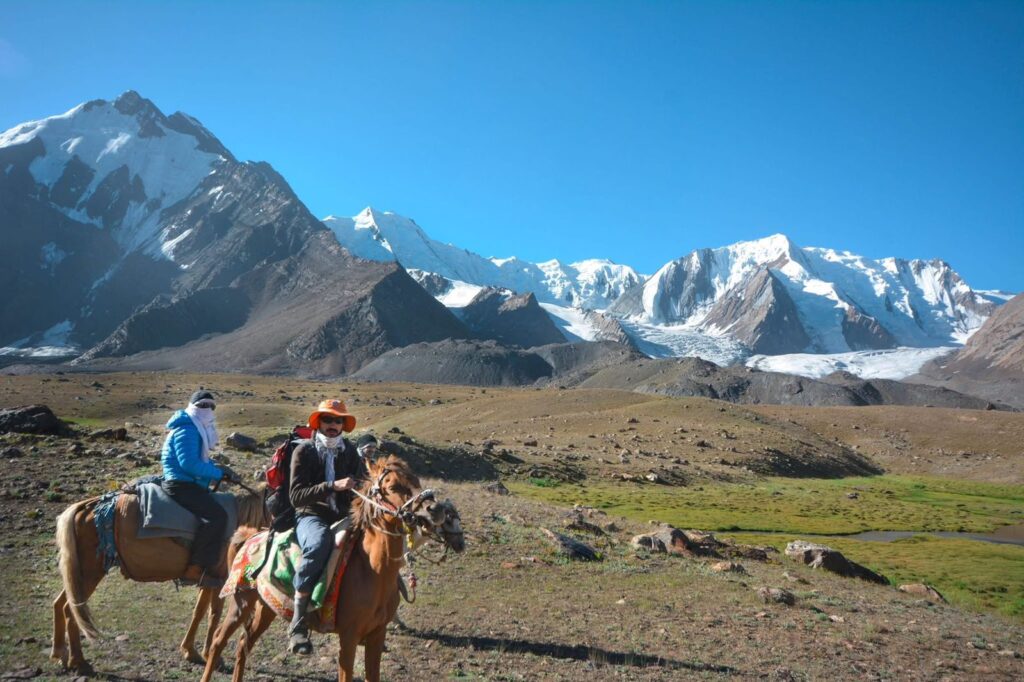
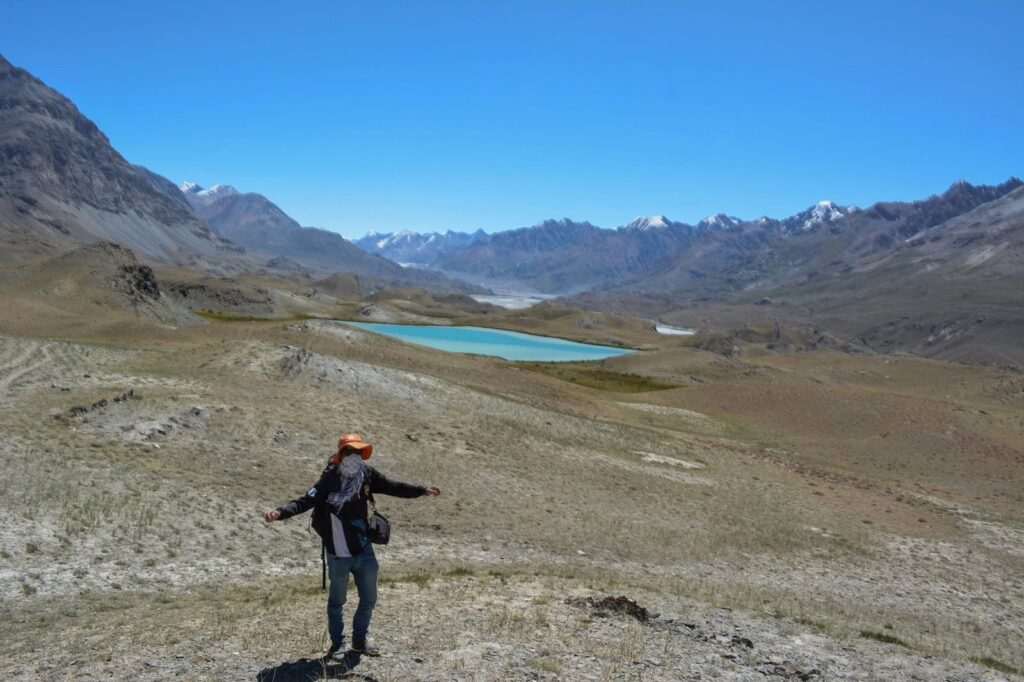
Karomber Lake is not just about reaching the destination, it’s about immersing yourself in its alpine beauty, culture, and adventure. Some highlights include:
- Trekking & Hiking: Explore nearby ridges and glacial streams. Short hikes around the lake reveal different perspectives of the turquoise waters and towering peaks.
- Photography: Capture sunrise and sunset reflections, wildlife, and panoramic shots of the Broghil Valley. The nearby Ribat Lake provides an equally photogenic side trip.
- Wildlife Observation: Spot Himalayan marmots, ibex, golden eagles, and migratory birds in their natural habitat. Early morning or late afternoon provides the best chances for wildlife sightings.
- Camping Under the Stars: With zero light pollution, the night sky at 4,300 m is a Milky Way photographer’s dream.
- Cultural Exchange: Interact with Wakhi shepherd families, enjoy traditional tea (pai), and learn about seasonal pastoral life.
Plan Your Trip Today with Saiyah Travels
Your Karomber Lake adventure is within reach with Saiyah Travels, your trusted partner for high-altitude trekking in Pakistan:
- Expert Planning: Permits, local guides, and 4×4 vehicles handled by professionals
- Custom Itineraries: Beginner-friendly routes or advanced expeditions tailored to your level
- Safety First: Proper acclimatization, emergency protocols, and communication ensured
- Cultural Immersion: Authentic Wakhi experiences, meals, & guidance.
Karomber Lake is more than a trekking destination, it is a high-altitude meditation. The turquoise waters, 5,000+ m peaks, Wakhi hospitality, and Pamir-style skies create an experience unmatched anywhere in Pakistan. Trekking here challenges both body and mind, rewarding adventurers with breathtaking vistas, ecological insight, and cultural immersion.
Frequently Asked Questions – Karomber Lake Trek
What is the Karomber Lake Trek and why is it famous?
The Karomber Lake Trek is a high-altitude adventure in Broghil Valley, Pakistan, known for turquoise waters, Himalayan views, and Wakhi culture.
How can tourists reach Karomber Lake from Islamabad?
Travel via Islamabad → Chitral by road, then 4×4 to Lashkargaz, followed by a 25 km trek to Karomber Lake.
What is the best time of year to visit Karomber Lake?
Summer to early autumn (June–September) is ideal for trekking, clear skies, and vibrant alpine meadows.
Do travelers need permits or NOCs to trek to Karomber Lake?
Yes, an NOC is required as the area is in a restricted border zone.
What is the typical difficulty level of the Karomber Lake Trek?
The trek is high-altitude (4,272–4,304 m), ranging from beginner-friendly routes via Broghil to expert routes via Chilinji and Darkot passes.
How long does the Karomber Lake Trek take?
The trek is usually completed in 8–10 hours one way from Lashkargaz; a full itinerary spans 9–10 days including travel.
What wildlife can trekkers expect to see at Karomber Lake?
Trekkers may spot snow leopards, Marco Polo sheep, Himalayan ibex, golden eagles, Himalayan marmots, and migratory birds.
What cultural experiences are offered by Wakhi villages on the trek?
Visitors can enjoy black tea (pai), seasonal homestays, observe livestock herding, and learn about centuries-old alpine lifestyles.
What gear and clothing are essential for the Karomber Lake Trek?
Moisture-wicking layers, fleece/down jackets, waterproof shell, trekking boots, poles, 4-season sleeping bag, and water purification essentials.
Can beginners safely attempt the Karomber Lake Trek?
Yes, with proper acclimatization, guided support, and choosing the beginner-friendly route via Mastuj & Broghil Valley.