
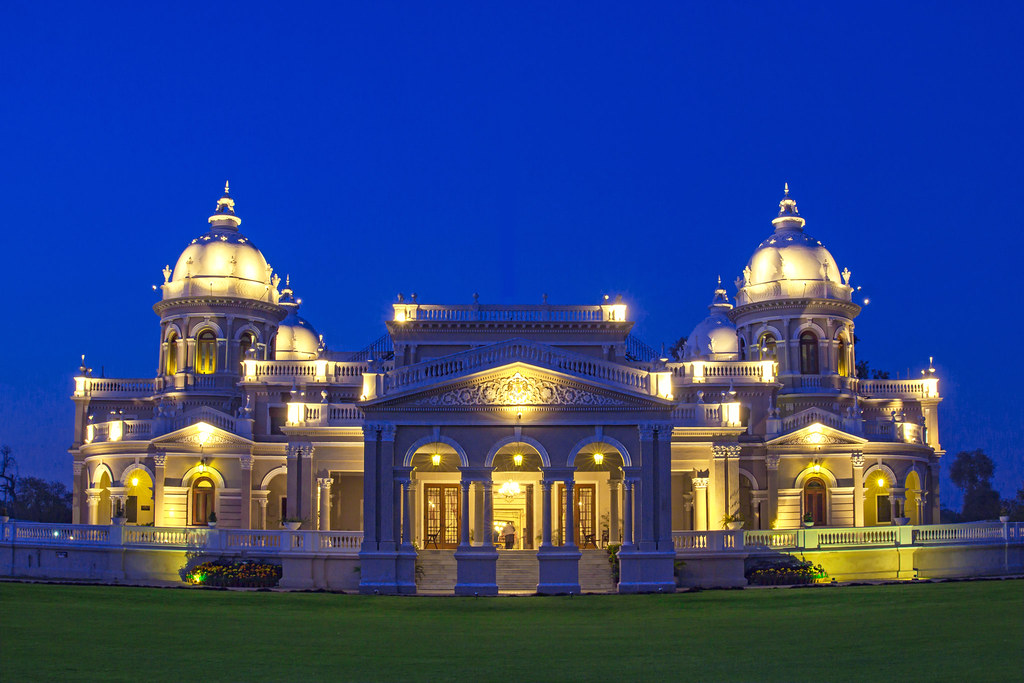
Gulzar Mahal (Urdu: گلزار محل) is a stunning testament to the opulence and architectural finesse of the Abbasi dynasty in Bahawalpur. Built during the early 20th century, this pink-hued palace is nestled in the lush Lal Suhanra gardens, offering a serene blend of Mughal elegance, colonial charm, and European aesthetic influence. Gulzar Mahal was primarily designed as a residential palace for royal women, combining luxury with privacy and grace.
Unlike ceremonial palaces like Darbar Mahal, Gulzar Mahal embodies leisure, refinement, and the intimate lifestyle of the royal family. Its delicate arches, spacious verandas, and ornamental gardens reflect the princely taste for beauty, comfort, and sophistication.
Gulzar Mahal History and Origins
Gulzar Mahal was constructed during the reign of Nawab Bahawal Khan V, a period marked by prosperity and modernization in Bahawalpur. The palace was intended as a residence for members of the royal family, particularly the female royals, providing both seclusion and elegance.
Historical accounts suggest that Gulzar Mahal was part of a larger plan to expand the royal estate’s residential architecture while incorporating European influences alongside traditional Indo-Islamic design. Its name, “Gulzar,” meaning “flower garden” in Persian, signifies the palace’s harmony with its lush surroundings and ornamental gardens.
The palace was specifically designed for:
- Royal residence of women
- Leisure and private gatherings
- Celebration of cultural and social events
- Architectural display of Abbasi refinement
Gulzar Mahal Architecture and Structural Design
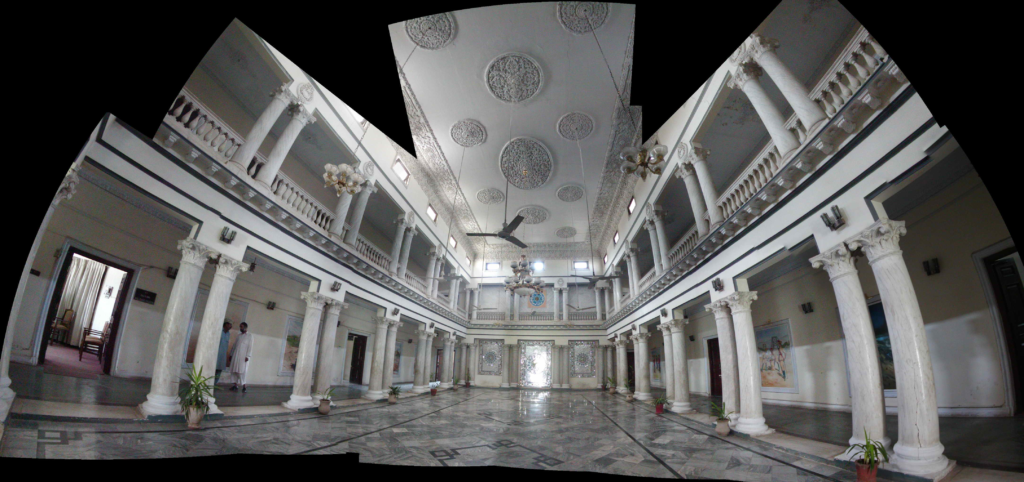
Gulzar Mahal is a fine example of early 20th-century princely architecture, combining Indo-Islamic elements with European and colonial influences. Its architectural identity emphasizes elegance, proportion, and aesthetic appeal rather than administrative authority.
Exterior Features
The palace exterior is immediately captivating due to:
- Its signature soft pink façade with ornamental detailing
- Symmetrically arranged arches and jharokhas (balconies)
- Intricate latticework and carved motifs on windows and verandas
- Low-lying corner towers and decorative domes
- Integration with the surrounding Lal Suhanra gardens for a scenic outlook
Gulzar Mahal’s design invites comparison with other royal residences, emphasizing harmony with nature and an air of serene luxury.
Interior Layout
While public access is limited, historical descriptions of Gulzar Mahal’s interior reveal:
- Spacious halls adorned with decorative moldings
- Private quarters arranged for comfort and privacy
- Verandas overlooking manicured gardens
- Ornamental staircases and delicate ceiling work
- A design that promotes natural ventilation and a tranquil lifestyle
The layout reflects the lifestyle of the royal women—private, refined, and comfortable, yet aligned with the grandeur expected of a princely palace.
Construction Significance
Constructed in the early 1900s, Gulzar Mahal reflects the craftsmanship and material sophistication of the period. Its brick masonry, ornamental arches, and symmetrical design showcase the Abbasi dynasty’s dedication to architectural excellence.
Unlike ceremonial palaces, the focus here was on beauty, leisure, and residential comfort, making Gulzar Mahal an iconic symbol of princely domestic life in Bahawalpur.
Gulzar Mahal Ownership and Present Status
After the integration of Bahawalpur State into Pakistan, Gulzar Mahal came under government administration. Today, it is maintained as a historic landmark and is part of Bahawalpur’s heritage tourism circuit.
Although interior access is limited, visitors can admire the palace externally and stroll through its surrounding gardens, which remain meticulously preserved. Its pink façade, coupled with lush greenery, makes it one of the most photographed royal residences in southern Punjab.
Cultural and Historical Importance
Gulzar Mahal holds immense cultural and historical significance as:
- A symbol of the Abbasi dynasty’s domestic sophistication
- An example of royal women’s residential architecture
- A blend of Indo-Islamic, colonial, and European styles
- A landmark showcasing early 20th-century princely leisure and refinement
Unlike Darbar Mahal, which emphasizes governance and authority, Gulzar Mahal celebrates beauty, privacy, and lifestyle, offering a unique window into royal life in Bahawalpur.
Standing before its ornate façade, visitors experience the delicate elegance and serene grandeur that once enveloped the royal household.
Why You Should Visit Gulzar Mahal
Gulzar Mahal is not just a palace, it is an invitation to explore the refined lifestyle of Bahawalpur’s royal family. For history enthusiasts, architecture lovers, and cultural explorers, the palace offers:
- Photogenic views of pink-hued grandeur amidst green gardens
- Insight into the lifestyle of royal women during the Abbasi era
- A harmonious blend of Indo-Islamic and European architecture
- A serene escape into history, away from the bustle of modern life
Saiyah Travels offers curated guided tours to Gulzar Mahal along with other royal palaces of Bahawalpur, ensuring an authentic and enriching heritage experience with expert local insights.
Frequently Asked Questions about Gulzar Mahal
What is the history of Gulzar Mahal in Bahawalpur?
Gulzar Mahal was built during the early 20th century by the Abbasi dynasty as a royal residence for women, blending Indo-Islamic and European architectural styles.
Who built Gulzar Mahal and when was it constructed?
The palace was constructed during the reign of Nawab Bahawal Khan V in the early 1900s as part of the royal estate expansion.
What architectural styles are used in Gulzar Mahal?
Gulzar Mahal combines Indo-Islamic, Mughal, colonial, and European influences, focusing on elegance and residential comfort rather than administrative authority.
Can the public visit the interior of Gulzar Mahal?
Public access to the interior is limited, but visitors can admire the palace externally and explore its surrounding gardens.
What makes Gulzar Mahal different from Darbar Mahal and Noor Mahal?
Unlike Darbar Mahal (governance) and Noor Mahal (royal elegance), Gulzar Mahal was designed for royal women’s residential comfort and leisure.
Where is Gulzar Mahal located in Bahawalpur?
Gulzar Mahal is located within the Lal Suhanra gardens, offering scenic views and a tranquil environment in Bahawalpur.
What are the best times to visit Gulzar Mahal?
The best times to visit are during cooler months from October to March when the gardens are lush and the weather is pleasant.
Are guided tours available for Gulzar Mahal?
Yes, Saiyah Travels and local guides offer professionally curated tours covering Gulzar Mahal and other royal palaces in Bahawalpur.
What cultural significance does Gulzar Mahal hold in Bahawalpur?
Gulzar Mahal represents the lifestyle of royal women, early 20th-century residential architecture, and the Abbasi dynasty’s domestic refinement.
How can I explore all Bahawalpur royal palaces including Gulzar Mahal?
Visitors can join heritage tours offered by Saiyah Travels, which include guided visits to Gulzar Mahal, Darbar Mahal, Noor Mahal, and other historic sites.